
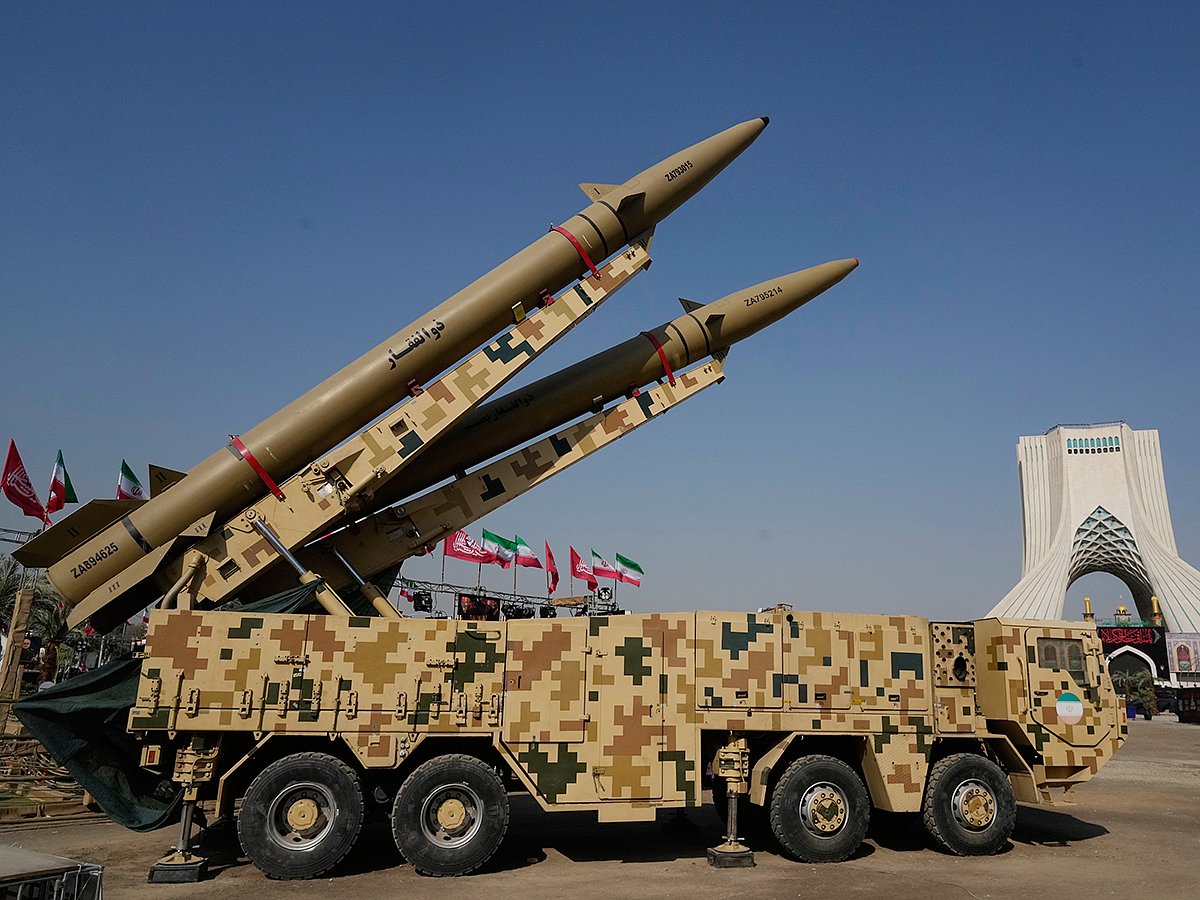
Secret network of 5,000 agencies
The investigation found that the agencies operated through overseas intermediaries and companies, using proceeds from oil sales that bypassed sanctions to purchase equipment for Iran’s military establishment.
Iran sanctions — when they began and what they target
1979 — US sanctions begin: Washington imposed its first sanctions following the Iranian Revolution and US embassy hostage crisis. Restrictions later expanded to banking, trade, investment and oil.
2006 — UN nuclear sanctions: The UN Security Council imposed restrictions on nuclear-related materials and technology, including equipment that could support nuclear weapons delivery systems.
2007–2010 — Arms restrictions tighten: The UN banned Iranian arms exports and subsequently restricted sales of major weapons, missiles, launchers and related equipment to Iran.
2015–2016 — Nuclear deal brings relief: Iran agreed to limits on its nuclear programme in exchange for the lifting of many international sanctions. Relief began in January 2016.
2018 — US restores sanctions: President Donald Trump withdrew Washington from the nuclear agreement and reimposed sweeping restrictions, including measures targeting Iran’s oil and financial sectors.
2025 — UN sanctions return: Britain, France and Germany triggered the snapback mechanism, restoring earlier UN restrictions on Iran’s nuclear and missile activities and arms trade in September.
2026 — War and naval blockade: The US-Israeli conflict brought additional military and maritime pressure. A US naval blockade restricted Iranian shipping, although some sanctions relief was introduced under an interim agreement.
Why it matters: Reuters found that Iran’s military-linked procurement network continued importing equipment despite years of restrictions, raising questions about how effectively sanctions can disrupt its supply chains.
Missile materials and hundreds of trucks
How supplies bypassed restrictions
Questions over sanctions effectiveness

A Senior Associate Editor with more than 30 years in the media, Stephen N.R. curates, edits and publishes impactful stories for Gulf News — both in print and online — focusing on Middle East politics, student issues and explainers on global topics.
Stephen has spent most of his career in journalism, working behind the scenes — shaping headlines, editing copy and putting together newspaper pages with precision.
For the past many years, he has brought that same dedication to the Gulf News digital team, where he curates stories, crafts explainers and helps keep both the web and print editions sharp and engaging.