

Photo: Robyn Stevens Brody/Sipa USA via AP
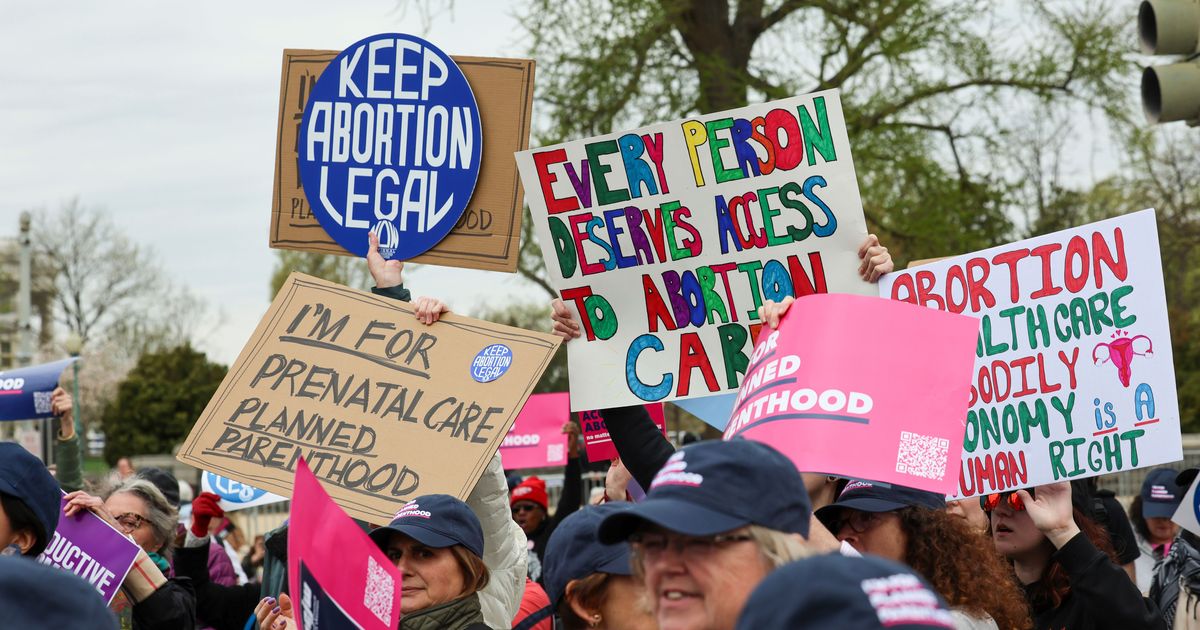
We’re still sifting through the results of Tuesday’s blue tsunami, but something is already clear: Voters largely rejected anti-abortion extremism, even in some of the most conservative parts of the country. This midterm, Americans passed ballot measures to protect abortion care in three out of four states weighing in on the issue, kicked out the architects of some of the worst bans in the country, and elected enough pro-choice lawmakers to either break state-level GOP supermajorities or flip the chambers entirely. Here are all the reproductive wins we saw.
Preliminary results show that abortion rights won big in three states. First, let’s talk about Missouri. Two years ago, Missourians codified the right to “reproductive freedom” in their constitution and reversed the state’s near-total abortion ban. This election, Republican lawmakers introduced a ballot measure to overturn the 2024 result. Had it passed, it would have restored the abortion restrictions. In a sneaky effort to confuse voters, legislators even called it Amendment 3, the same name of the 2024 pro-choice initiative, and added a ban on gender-affirming care for minors. But Missourians saw straight through it and rejected the amendment with 55 percent of the vote.
Then there’s Nevada, where a ballot measure was also tied to the 2024 election. Two years ago, voters in the state passed Question 6, which enshrined the right to abortion up until viability, or about 24 weeks of pregnancy. The question appeared again before voters this midterm because Nevada requires any amendment to pass in two consecutive election cycles before it can be added to the state constitution. And, once again, Nevadans decisively chose to protect reproductive rights, passing the measure with 63 percent of the vote.
Four years after Dobbs, Virginia remains the last state in the South without an abortion ban. On Tuesday, voters weighed in on a ballot measure that sought to codify protections for reproductive care before, during, and after pregnancy in the state constitution. Virginians passed it with 55 percent of the vote.
Idaho’s near-total abortion ban is one of the strictest in the nation, leading to an exodus of OB/GYNs who fled the state out of fear the government would prosecute them. The citizen-led initiative Prop 1 sought to codify the right to make reproductive-health-care decisions without government interference. On Tuesday, 56 percent of voters rejected the amendment, meaning that the abortion ban will remain in place for now.
In Michigan, which codified abortion rights in 2022, Mike Rogers touted having a “100 percent pro-life rating” while he served in Congress. In Kansas, Roger Marshall called himself a “pro-life” OB/GYN even as he sued more than 700 patients over medical debt, leading to at least 81 of them being arrested. In South Carolina, Darline Graham proposed the expansion of crisis-pregnancy centers, which routinely dissuade pregnant people from seeking abortion care and provide them with harmful misinformation. All of them lost their Senate races.
Meanwhile, Democrats’ control of the House and Senate means President Donald Trump has no chance in hell of passing a national abortion ban. Congress can also now prevent efforts to defund abortion providers, including Planned Parenthood, and push to eliminate the Hyde Amendment, which bans the use of federal funds for abortion care.
With no federal ban in place, abortion restrictions have been determined at the state level since Dobbs. Democratic gains in many GOP-led states means there’s a chance some of these bans could be overturned or further restrictions could be stopped. In Georgia, which bans abortion at six weeks of pregnancy, Democrats flipped the governor’s seat, the attorney general’s office, and the state House. In North Carolina, where abortion is legal until 12 weeks and which already has a Democratic governor, the state House flipped too. Democrats also broke Republican supermajorities in one or both chambers in Florida, Kansas, Nebraska, and Ohio legislatures.
And then there’s Texas, home to Governor Greg Abbott and Attorney General Ken Paxton — two of the most rabid anti-abortion lawmakers in the nation, who’ve pushed the boundaries of state-level restrictions in an attempt to terrorize and control women all across the state. Abbott lost his reelection bid, while the scandal-plagued Paxton won’t have the chance to further persecute women from the U.S. Senate.
The blue wave also lifted up people like Allie Phillips, a mom who in 2023 was forced to travel to New York to terminate her unviable pregnancy due to Tennessee’s near-total abortion ban. The experience motivated her to run for the state legislature in 2024 — a long-shot race that she lost. Phillips tried again this cycle. On Tuesday, she flipped the district.
Stay in touch.
The latest in style, self, culture, and power in your inbox.
Vox Media, LLC Terms and Privacy Notice
Related