
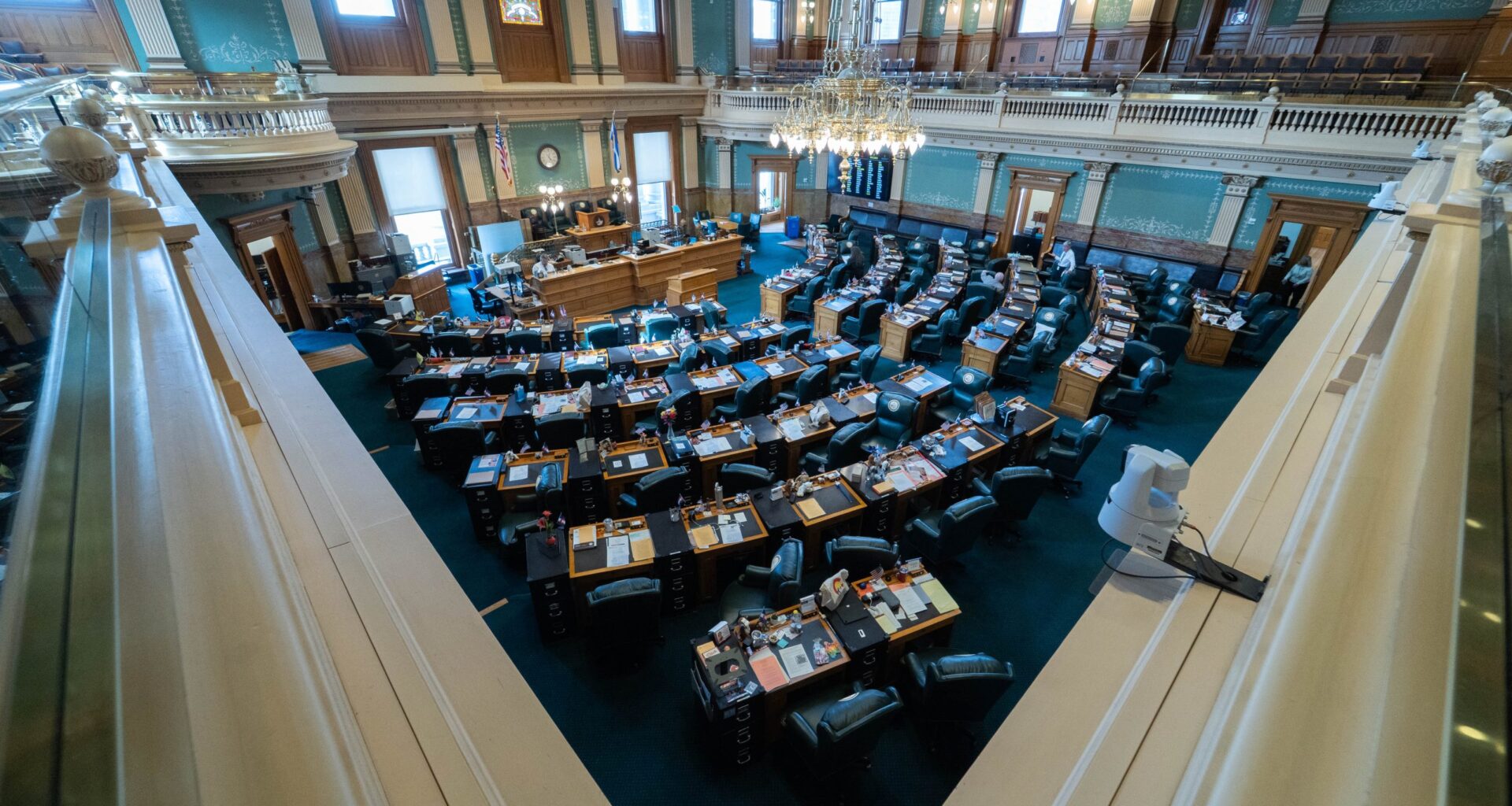
Riding a national blue wave that served as an overwhelming rebuke of President Donald Trump and his Republican Party, Colorado Democrats on Friday achieved supermajorities in both statehouse chambers for what lawmakers say is the first time in the state’s history.
Democrats have flipped four legislative seats so far — exceeding even their most optimistic projections — to achieve the state House and Senate supermajorities. The GOP losses come despite Republicans spending far more than Democrats on state legislative races this year.
The legislative results, coupled with the passage of a ballot measure increasing funding for public schools, represented a generational victory for Democrats and will likely serve to further embolden the party’s progressive flank, whose ambitions have long been tempered by Gov. Jared Polis and the state’s strict constitutional limits on taxation.
With a total Capitol supermajority, which requires control of more than two-thirds of the seats in the state House and Senate, Democrats can now override vetoes from the next governor — Democratic Attorney General Phil Weiser — and put constitutional amendments on the ballot without any Republican votes.
That could weaken Weiser’s influence over the General Assembly and force Democrats in the legislature to address some tough policy questions that they have largely avoided over the past eight years by using the threat of a Polis veto as cover.
“I believe that we can build a culture that brings everybody in and gets the best ideas,” Weiser told reporters Wednesday when asked about the supermajorities.
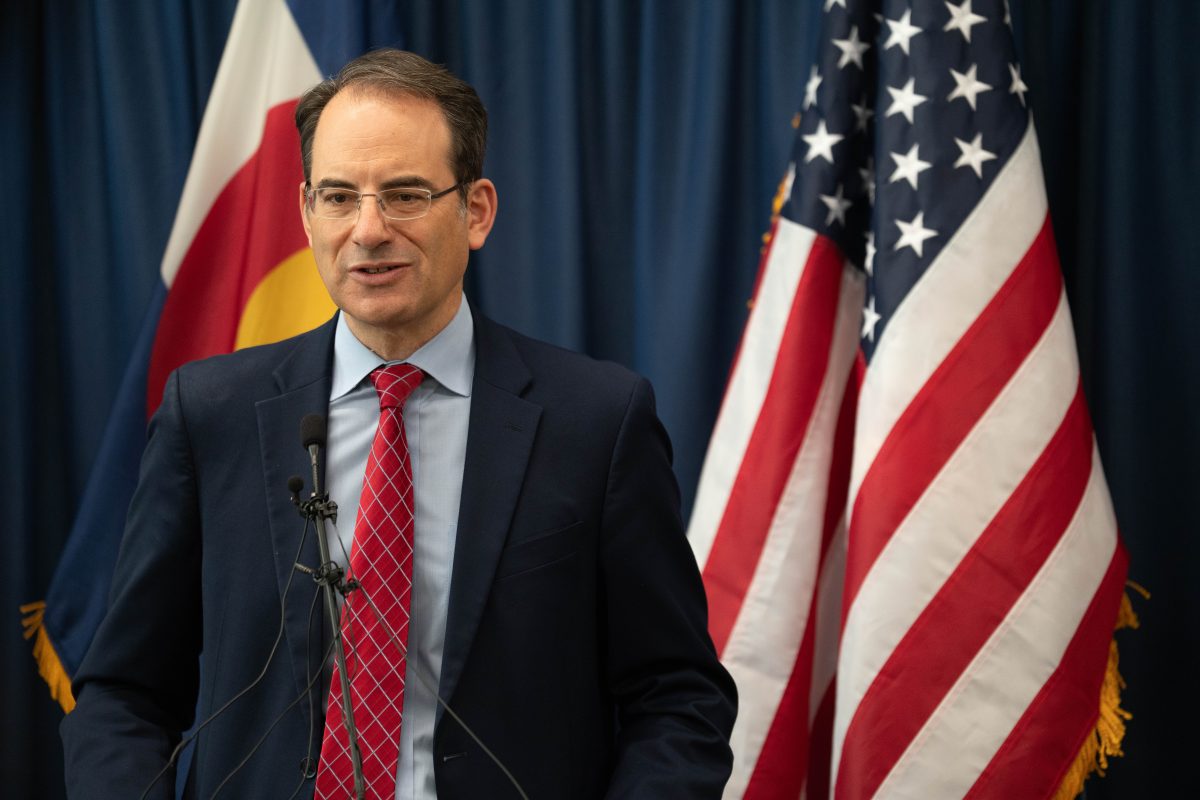 Colorado Attorney General Phil Weiser speaks to reporters for the first time after being elected governor. Weiser, a Democrat, announced his transition during the news conference on Nov. 4, 2026, in Denver. (Jesse Paul, The Colorado Sun)
Democrats in the state senate elected their leaders on Thursday, choosing Sen. Dylan Roberts of Frisco as majority leader. Roberts vowed to repair the rift between progressives and moderates in the caucus. The House holds its elections on Nov. 6.
House Minority Leader Jarvis Caldwell of Colorado Springs, one of the top Republicans in the legislature, was trying to come to grips Tuesday night with how his party — already effectively relegated to irrelevance at the state Capitol — fell further from grace.
“Most of our House candidates ran on affordability, cost of living, crime,” he said. “I think the voters still care about those issues. I will be interested to see if there was something else that drove them to the Democrat Party rather than Republican Party.”
Here are the races that determined control of the Colorado Capitol:
Senate District 3 in Pueblo
In Senate District 3, Democrat Aaron Gutierrez, an attorney, defeated Republican Dana Charles, who works as an administrator in the healthcare industry, to keep the Pueblo-based seat in Democratic hands.
President Donald Trump won the district by more than 5 percentage points in 2024, but voters have sent a Democrat to the statehouse there for the last 15 years. The district’s current senator, Democrat Nick Hinrichsen, opted not to seek reelection.
Gutierrez led with 54% of the vote to Charles’ 46% at 10:33 a.m. Wednesday when The Associated Press called the race.
Republican groups spent nearly $5 million backing Charles, according to state campaign finance records filed through Tuesday, compared with about $2 million in spending from Democrats on behalf of Gutierrez.
Senate District 15 in Larimer and Boulder counties
In Senate District 15, incumbent Democratic state Sen. Janice Marchman, of Loveland, defended her seat against a challenge from Republican Rob Woodward, a former state senator.
Marchman unseated Woodward in the district in 2022.
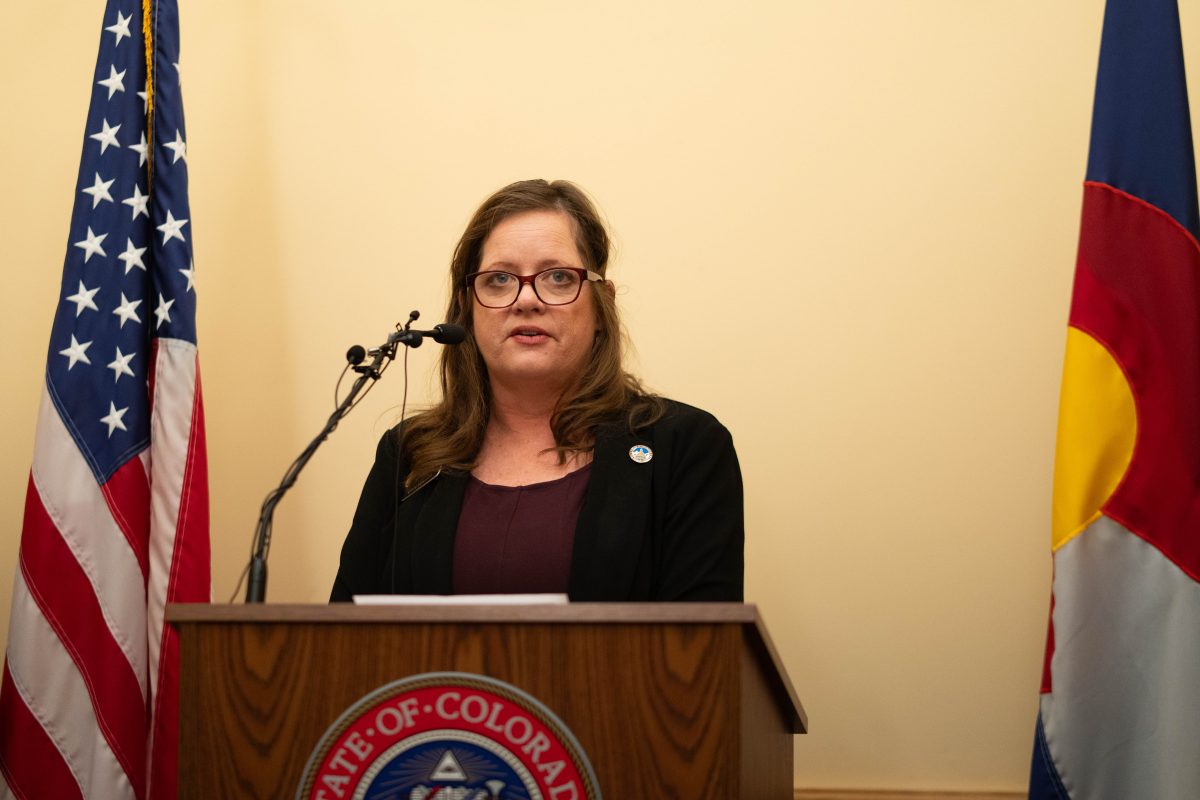 State Sen. Janice Marchman, D-Loveland, speaks at a news conference about a bill to improve how law enforcement responds to missing persons cases at the Colorado Capitol in Denver on Feb. 23, 2026. (Jesse Paul, The Colorado Sun)
The Associated Press called the race for Marchman at 12:04 a.m. Wednesday. By 1:45 a.m., Marchman had 58% of the votes, and Woodward had 42%.
Republican groups spent about $1.3 million for Woodward, while Democratic groups spent about $916,000 in support of Marchman.
Senate District 30 in Highlands Ranch
In Senate District 30, Democrat Kevin Leung, a former school board member, unseated Republican state Sen. John Carson. The Associated Press called the race for Leung at 9:21 a.m. Friday, with 52.4% of the votes tallied in favor of Leung and 47.6% in favor of Carson.
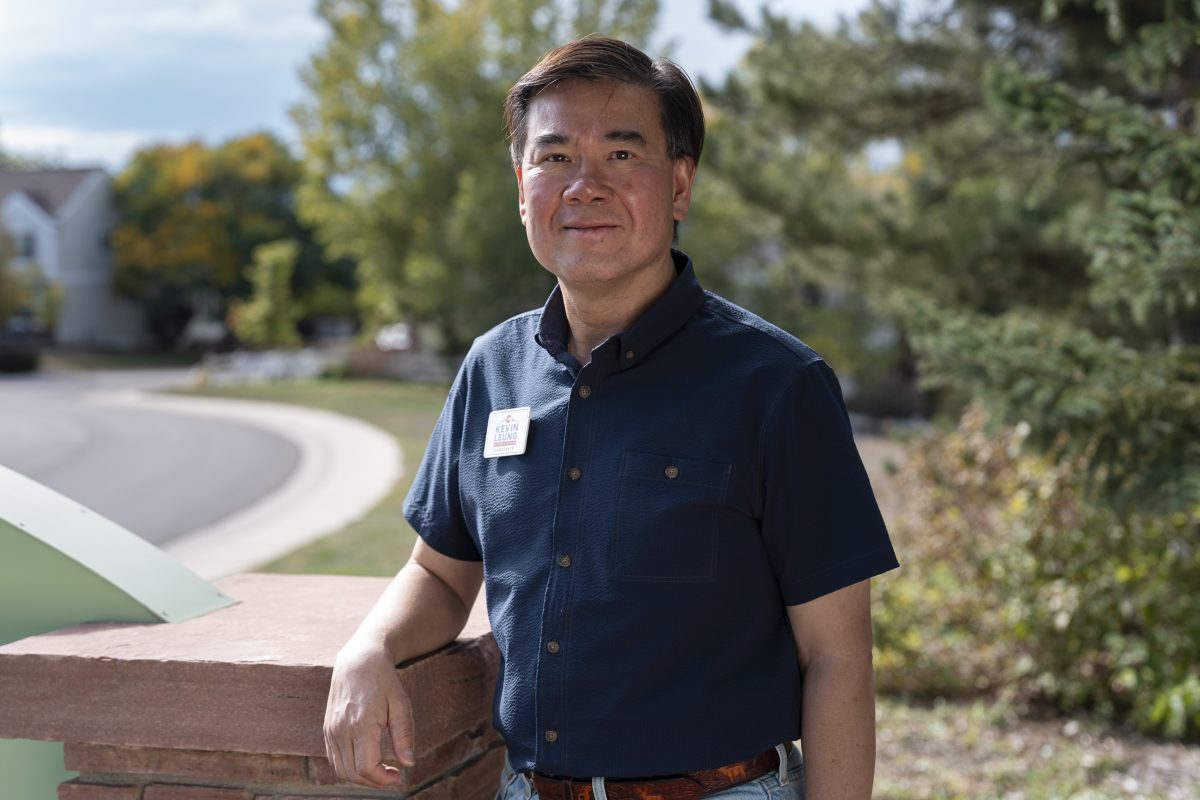 Kevin Leung, Democratic nominee for state Senate District 30, poses for a portrait Oct. 6, 2026, in Highlands Ranch. (Cheney Orr, The Colorado Sun via Report for America)
Republican groups spent about $4.3 million to help Carson in the Highlands Ranch district, and Democratic groups spent about $181,000 for Leung.
House District 15 in Colorado Springs
In House District 15, Democrat Jeff Livingston, an Army veteran, was poised to flip the Colorado Springs seat blue. He was in a close race against Republican Pricella Tiegen, a conservative activist.
With an estimated 93% of votes counted as of 9:33 a.m. Friday, Livingston led 48.8% to 47.6%.
Outside groups did not spend on either candidate because the race was not viewed as competitive. The seat is currently held by state Rep. Scott Bottoms, a Republican who mounted an unsuccessful campaign for governor this year. Bottoms is one of the most conservative members of the legislature.
House District 16 in Colorado Springs
Former state Rep. Stephanie Vigil reclaimed House District 16 for Democrats, defeating Republican Jill Haffley, a former schoolteacher.
The Associated Press called the race in Colorado Springs for Vigil at 12:01 a.m. Wednesday, when Vigil had 57.3% of the vote and Haffley had 40.7%.
Republican groups spent about $94,000 for Haffley, and Democratic groups spent $205,000 to benefit Vigil.
Vigil represented the district for one term before she was unseated by a Republican, Rebecca Keltie, in 2024 by just three votes. Keltie opted not to run for reelection this year.
House District 19 in Erie
In House District 19, Democrat Jillaire McMillan unseated incumbent Republican state Rep. Dan Woog in a rematch in the Erie-centered district.
The Associated Press called the race for McMillan at 9:58 p.m Tuesday. By 1:52 a.m. Wednesday, 59% of voters favored McMillan and 41% favored Woog.
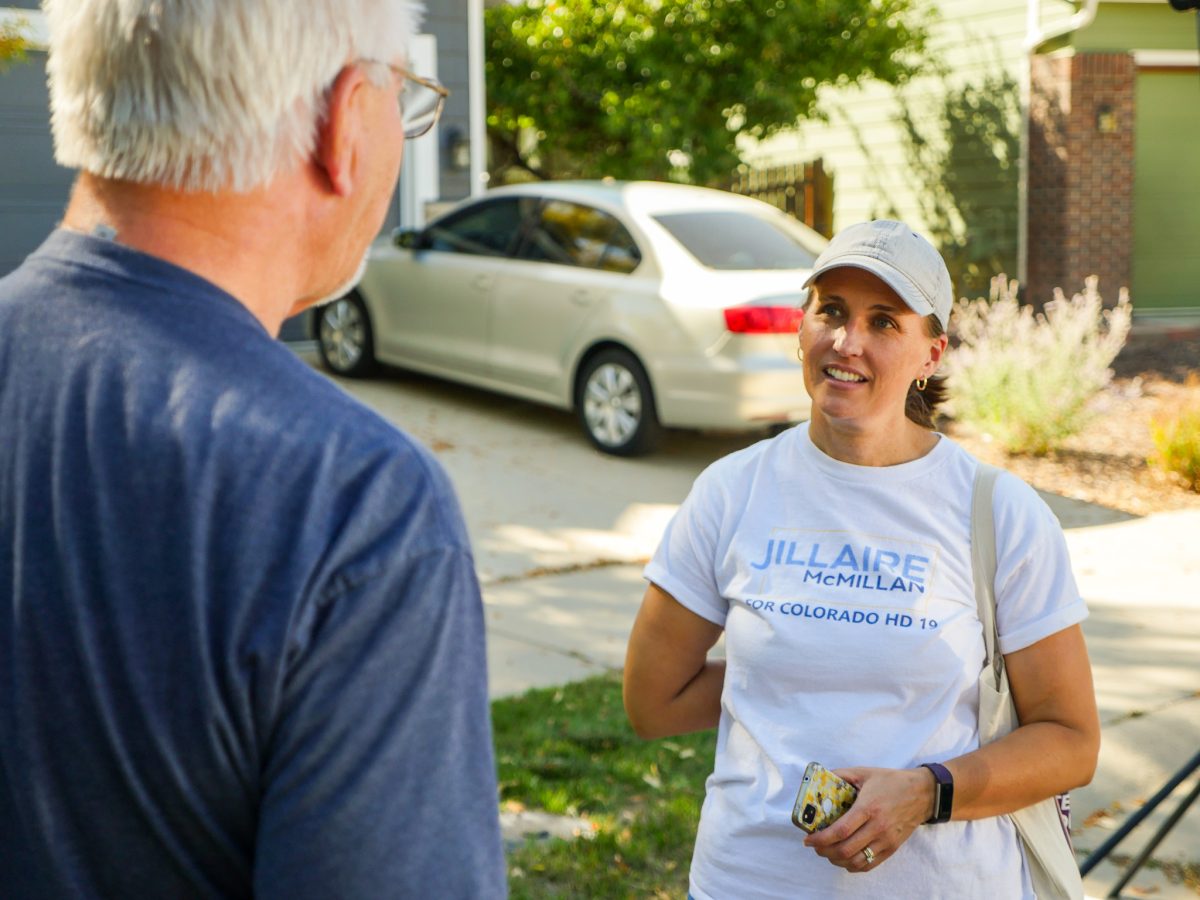 Democrat Jillaire McMillan talks to an undecided voter outside of his house Sept. 28, 2024, in Erie. (Lincoln Roch, Special to The Colorado Sun)
Republican groups spent about $1.2 million for Woog, and Democratic groups spent about $566,000 for McMillan.
Woog beat McMillan narrowly in 2024.
House District 21 in El Paso County
In House District 21, Democrat Michelle Tweed, a Navy veteran, was locked in a tight race with Republican Brenda Miller, an Army veteran.
The El Paso County seat is currently held by outgoing Republican Rep. Mary Bradfield, who opted not to seek reelection this year. As of 9:33 a.m. Friday, Tweed led 50.9% to 49.1%, with 93% of votes counted.
Republican groups spent about $1,750 for Miller, and Democratic groups did not spend any money for Tweed. The race was not thought to be competitive.
House District 43 in Highlands Ranch
In House District 43, Democratic state Rep. Bob Marshall successfully defended his Highlands Ranch seat against Republican Nate Marsh. The Associated Press called the race for Marshall at 9:41 p.m. Tuesday.
By 1:47 a.m. Wednesday, 57% of voters favored Marshall and 43% favored Marsh.
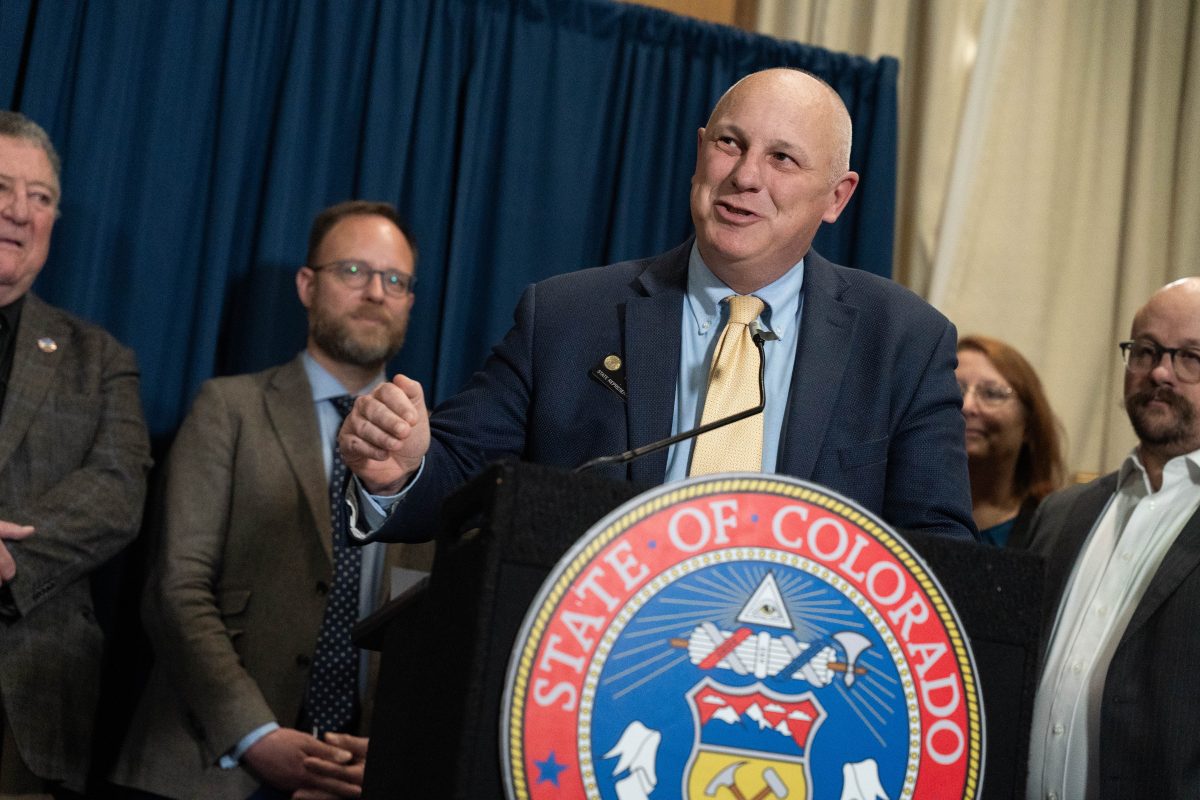 State Rep. Bob Marshall, D-Highlands Ranch, in the governor’s office at the Colorado Capitol in Denver on March 14, 2025. (Jesse Paul, The Colorado Sun)
Republican groups spent more than $1 million to back Nate Marsh compared with Democratic groups’ $1,823 in support of Marshall.
House District 50 in Greeley
In House District 50, Democrat Tommy Butler, a Greeley city councilman, unseated Republican state Rep. Ryan Gonzalez.
The Associated Press called the race for Butler at 8:01 a.m. Friday. Butler had 60.3% of the vote and Gonzalez had 39.7% as of 9:33 a.m. Friday.
Republican groups spent more than $1.5 million for Gonzalez, and Democratic groups spent about $623,000 for Butler.
House District 51 in Loveland
In House District 51, Democrat Jacki Marsh, a former mayor of Loveland, was leading Republican Amy Parks, a political consultant, in another potential flip for Democrats.
Marsh had 51.3% of the vote to Parks’ 48.7% as of 9:33 a.m. Friday when an estimated 95% of votes had been counted.
Republican groups spent nearly $2 million to keep the seat red, backing Parks. Marsh saw about $64,000 in outside spending to support her.
The seat is currently held by Republican state Rep. Ron Weinberg, who opted not to seek reelection.
This is a developing story that will be updated.
Type of Story: News
Based on facts, either observed and verified directly by the reporter, or reported and verified from knowledgeable sources.