
As reported by Sona, Somali Foreign Ministry condemned the diplomatic move as a direct “violation of the country’s sovereignty, territorial integrity and national unity,” emphasizing that the territory remains an “integral part of the Federal Republic of Somalia”.
Despite close military and security cooperation between the United States and Somalia where U.S. forces regularly partner with the Somali military to conduct joint counter-terrorism airstrikes against Al-Shabaab insurgents, Somalia’s government has firmly opposed the actions of America’s key ally, Israel.
Somalia stands firm against Israeli diplomacy in Somaliland despite security ties with the U.S.
The counter-terrorism collaboration between Washington and Mogadishu remains active, as demonstrated when the U.S. military teamed up with the Federal Government of Somalia to execute targeted precision airstrikes against Al-Shabaab fighters near Bulo Bashiir.
The joint operation aimed to degrade the offensive capabilities of the militant network, which U.S. Africa Command has characterized as “the largest, wealthiest, and most lethal Al Qaeda affiliate in the world today”.
Official statements from U.S. Africa Command Public Affairs confirmed that “AFRICOM, alongside the Federal Government of Somalia and Somali Armed Forces, continues to take action to degrade al-Shabaab’s ability to threaten U.S. forces and our citizens abroad”.

However, this strong counter-terrorism backing from the U.S. has not prevented Somalia from fiercely resisting Israel’s diplomatic efforts, insisting that establishing diplomatic missions without sovereign state consent violates the Vienna Convention on Diplomatic Relations.
Although the United States has noted that “Israel has the same right to conduct diplomatic relations as any other sovereign state,” Washington has stopped short of recognizing Somaliland’s independence itself, affirming no change in official American policy.
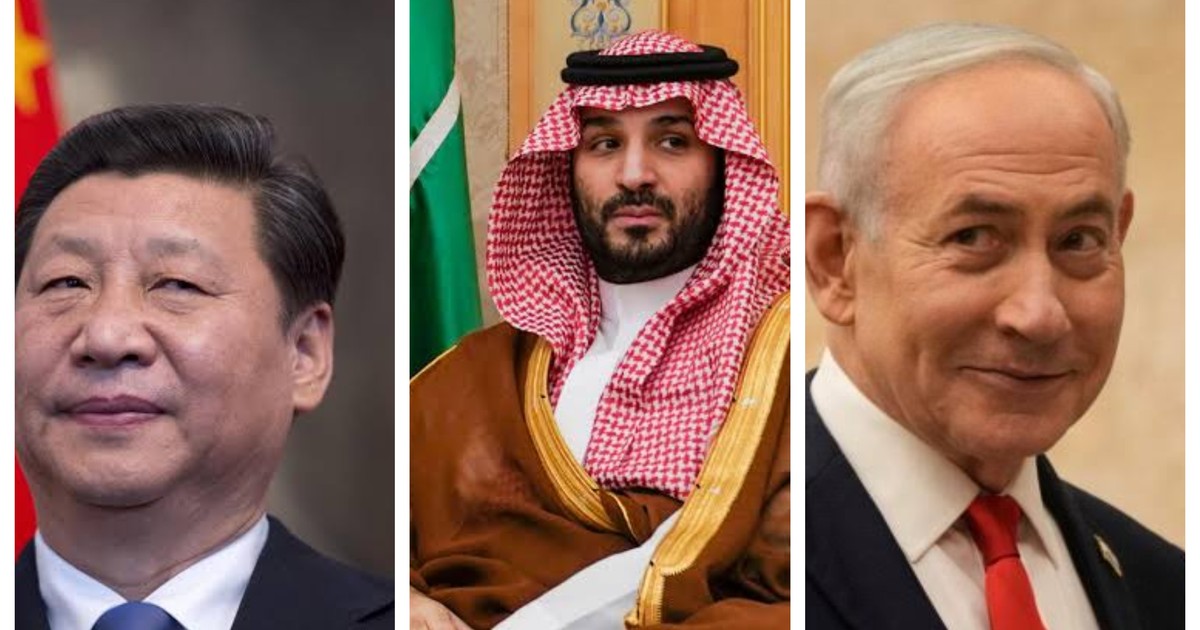
China, Saudi Arabia, Turkey and regional powers warn Israel against establishing an embassy near the Red Sea
Israel’s decision to press ahead with plans for an embassy in Hargeisa follows its initial recognition of Somaliland in December 2025, when it became the first United Nations member state to formally recognize the territory since its 1991 separation from Somalia.
Israeli Foreign Minister Gideon Sa’ar reinforced this push, stating, “Israel is determined to develop and strengthen its relations with Somaliland”.
Nevertheless, Israel’s unilateral moves near the vital Red Sea shipping lanes have drawn strong opposition from major global and regional powers, including China, Saudi Arabia, Turkey, and Egypt.
As reported by Business Insider Africa, Chinese Foreign Ministry spokesperson Lin Jian stressed, “No country should encourage or support other countries’ internal separatist forces for its own selfish interests”.
Echoing those concerns, Turkish President Recep Tayyip Erdoğan declared during a meeting with Somali leadership that “the preservation of Somalia’s unity and integrity under any circumstances is a priority for us. Israel’s decision to recognize Somaliland is illegitimate and unacceptable”.
Meanwhile, Saudi Arabia reaffirmed its full support for Somalia’s territorial integrity, while Egyptian Foreign Minister Badr Abdelatty warned that Israel’s actions create “a dangerous precedent that threatens peace, security, and stability at the regional and international levels”.
Despite these international warnings and Somalia’s cautioning against heightened instability in the Gulf of Aden and Red Sea, Israel has proceeded with laying the cornerstone for its planned embassy in Hargeisa.