
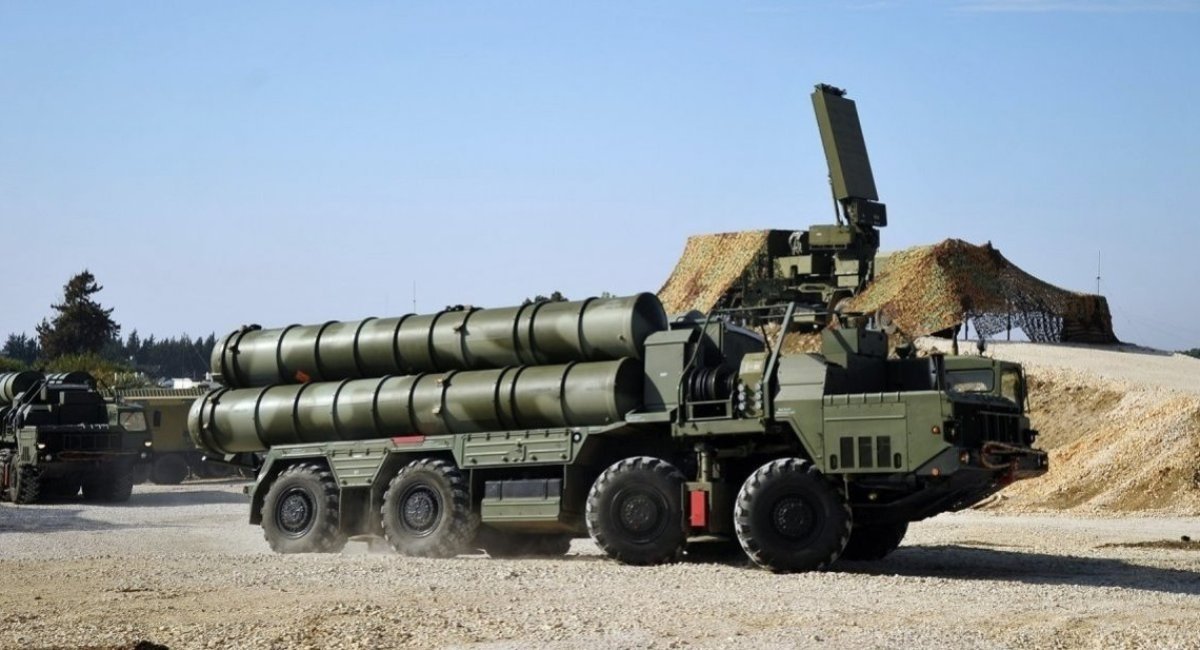
Iran has resumed talks with russia on strengthening its air defense capabilities, with a particular focus on acquiring the S-400 missile defense system, which Tehran had previously sought to obtain. This decision was discussed during a visit to russia by Iran’s Secretary of the Supreme National Security Council, Mohsen Rezaei, on November 5.
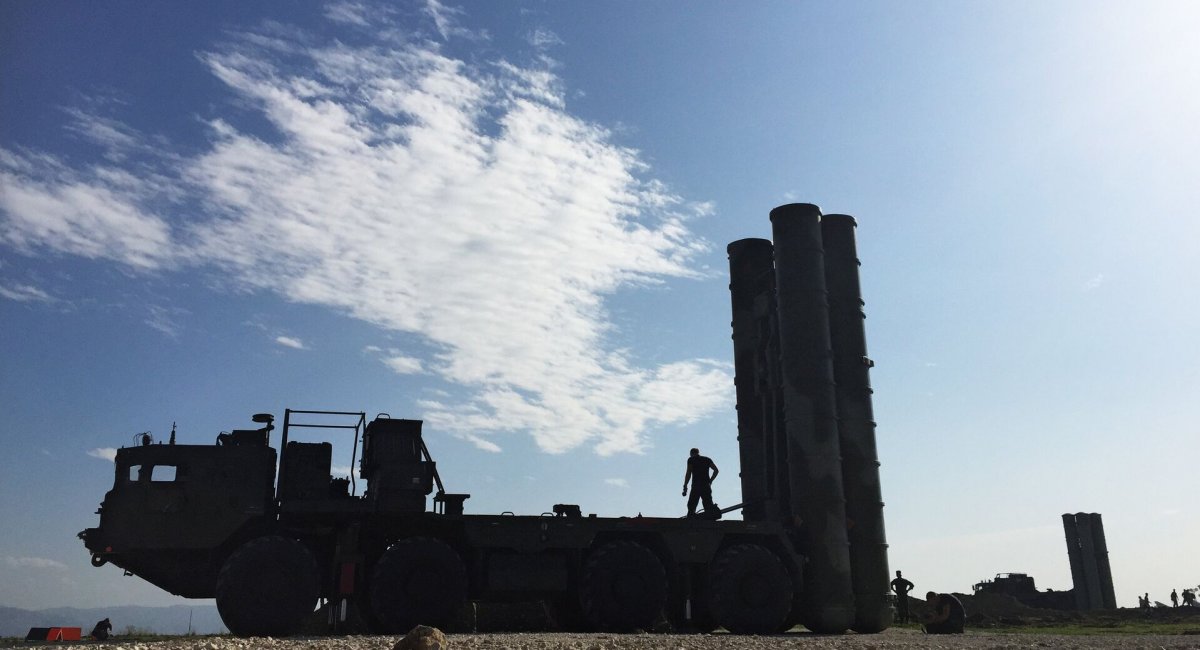 S-400
According to The Telegraph, Tehran remains hopeful about reaching such an agreement, despite U.S. President Donald Trump’s claim that russia is “not helping” Iran. During the visit, Iranian officials were presented with proposals on how to prepare for a potential war with the U.S., particularly by strengthening ties with russia in the field of military-technical cooperation.
Read more: Iran and russians Admit Yak-130 with R-73 Is So Ineffective Against UAVs That It Had to Ram One
From Defense Express we would like to note that, Despite Trump’s repeated attempts to downplay the extent of russian-Iranian cooperation, recent reports suggest that Moscow has agreed to supply Tehran with 90 launchers for Kh-39 LMUR air-to-ground guided missiles. This decision clearly indicates an active partnership between the two countries, especially given that the russian federation is using the aforementioned weapons in the war against Ukraine.
However, the delivery of the S-400 air defense system to Iran currently seems more like a pipe dream than a reality, and there are several reasons for this. The S-400 is russia’s primary air defense system, designed to detect and destroy aerial targets, including aircraft, drones, cruise missiles, and ballistic missiles. Given the scale of Ukrainian strikes against russian oil refineries and critical infrastructure, weakening russia’s own air defense capabilities would make little sense. Moreover, the air defense systems are also becoming targets of Ukrainian strikes. in August, it was reported that Ukraine’s Special Operations had struck an S-400 system in Gelendzhik.
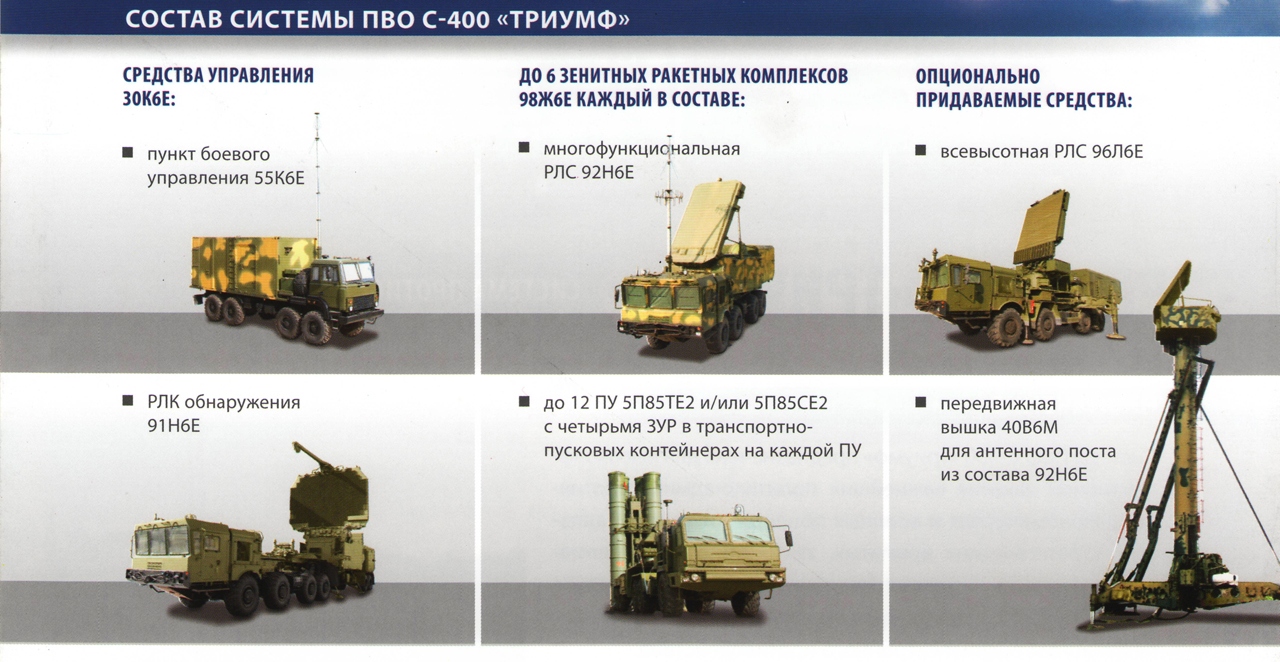
In light of this, russia needs to ramp up production of the S-400 systems for its own needs, which also presents significant challenges. The system includes a command post, radars, launchers, missiles, and support equipment, the production of which relies heavily on foreign components, particularly microelectronics. For instance, the radar uses RO4003C high-frequency laminates from the American company Rogers Corporation, and the production of the missile’s navigation module requires autonomous inertial systems with French-made laser gyroscopes.
Although russia has found ways to circumvent international sanctions, the restrictions continue to constrain and slow down the production of S-400 systems. Strikes on manufacturing facilities also threaten the continuity of S-400 production, with Ukrainian military drones repeatedly targeting facilities operated by the Almaz-Antey defense conglomerate. Moreover, the machine tools used to manufacture S-400 components are likely to rely heavily on Western-made parts and software.
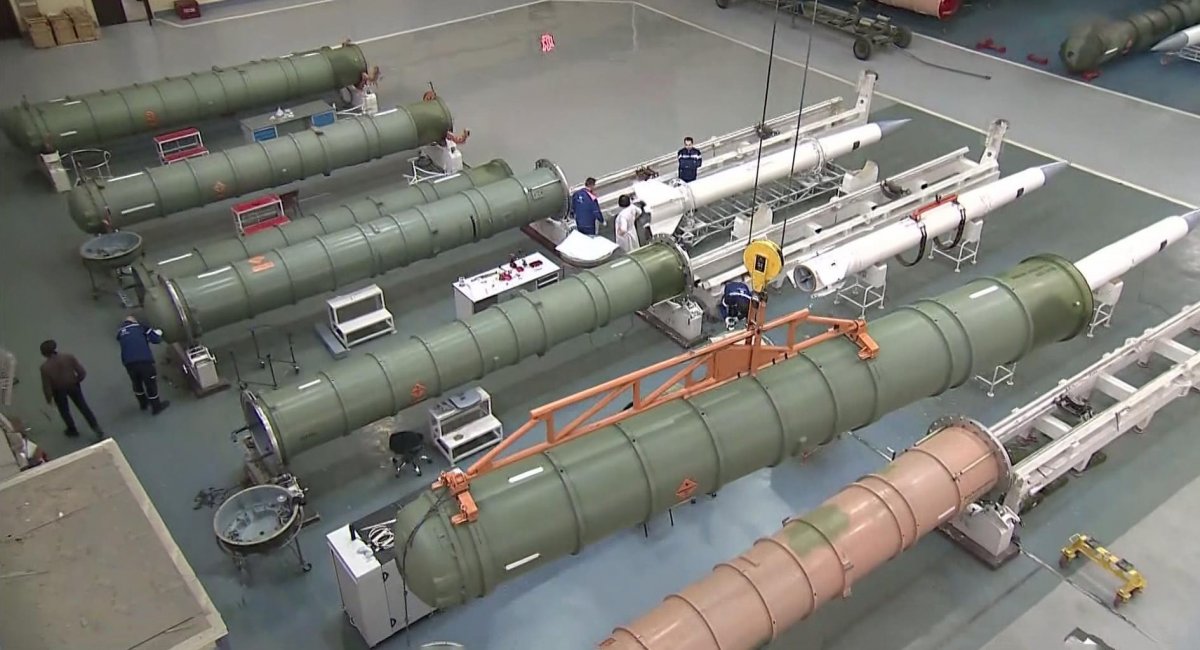 The production of 48N6 missiles for russian S-400 air defense systems / Open-source illustrative photo
It is also worth noting that russian forces are using S-400 systems to carry out ballistic missile strikes against Ukraine with RM-48U surface-to-surface missiles. Given this, it is important to distinguish between the systems used for offensive and defensive operations, as they employ different types of weaponry.
To summarize, we can mention the contract under which russia agreed to supply Turkiye with two divisional sets—four S-400 batteries. The fulfillment of the contract took 31 months, from its signing to the delivery of the components. So even if russia decides to manufacture S-400 systems for Iran from scratch, it will take quite some time.