
French Foreign Minister Jean-Noël Barrot said Monday that France would present evidence to European Union foreign ministers linking Iran’s Islamic Revolutionary Guard Corps (IRGC) to a series of cyberattacks targeting supermarket refrigeration systems across France, as Paris pushes for new sanctions against Tehran.
Speaking upon his arrival at a meeting of EU foreign ministers in Brussels, Barrot said France would seek to draw up a list of individuals and entities to be sanctioned within a month.
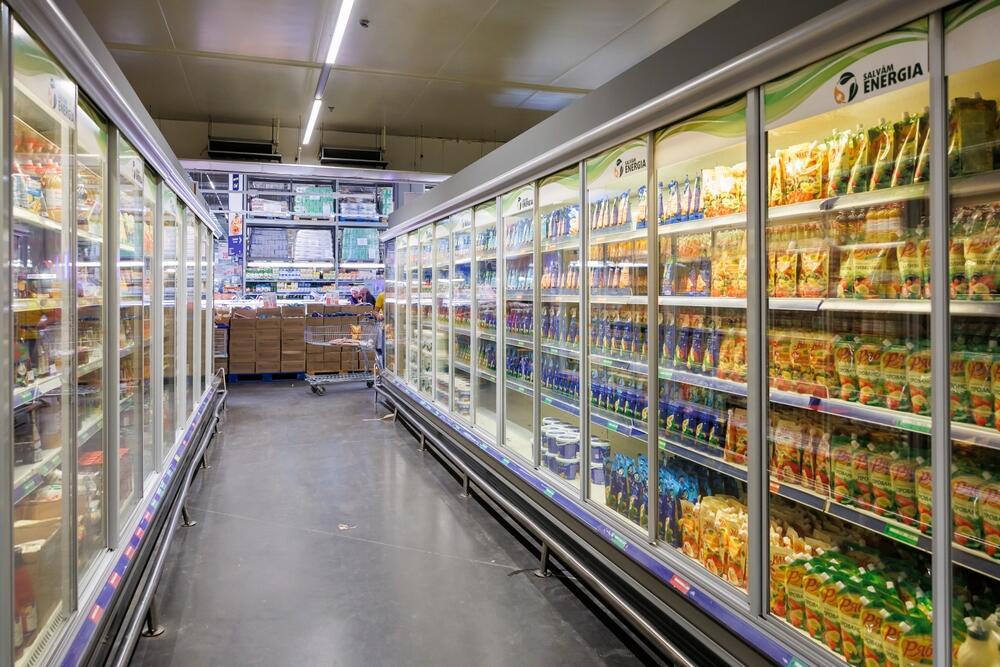
Iranian cyber unit affiliated with the Revolutionary Guards was responsible for widespread attacks in October that disrupted refrigeration systems
(Photo: Gagarin Iurii / Shutterstock.com)
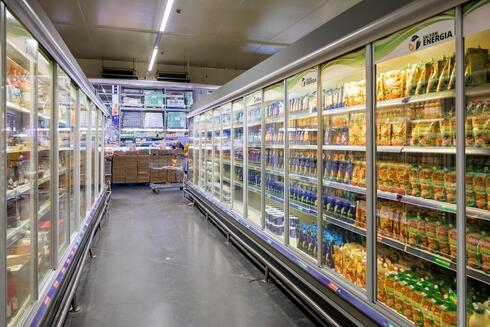
The announcement follows accusations by French authorities that an Iranian cyber unit affiliated with the Revolutionary Guards was responsible for widespread attacks in October that disrupted refrigeration systems at hundreds of supermarkets, causing extensive food losses and fires.
On November 9, Barrot described the attacks as unprecedented in both their scale and aggression, accusing the IRGC of carrying out the operation.
“It marks the first large-scale cyberattack aimed at sabotage on our national territory, and it constitutes a major attack on the nation’s interests and the security of the French people,” he said.
“We will implement sanctions at the European level against all those responsible,” Barrot added.
The cyberattacks, which began on October 11, affected approximately 700 commercial sites across France, according to a joint report by French intelligence and cybersecurity agencies. Hackers remotely manipulated refrigeration systems, raising temperatures to dangerous levels and causing at least 15 fires.
Supermarkets were forced to discard large quantities of spoiled meat, melted ice cream and other perishable products. One supermarket owner estimated that the nationwide damage could reach tens of millions of euros.
Although supermarkets accounted for most of the affected sites, the attacks also disrupted refrigeration systems at butcher shops, a slaughterhouse and food-processing facilities.
French authorities identified Shahid Kaveh, an offensive cyber unit linked to the IRGC, as the organization allegedly responsible for the attacks.
The intelligence report named three alleged associates of the unit: Hamid Reza Lashgarian, Mahdi Lashgarian and Reza Salarvand.
According to French investigators, the hackers operated through several front groups posing as independent activist hackers, including CyberAveng3rs and Cyber Isnaad Front.
Investigators said they linked Shahid Kaveh to the attacks by examining the digital infrastructure used to sabotage refrigeration systems, identifying similarities with previous operations attributed to the group and finding traces of Farsi within the attack infrastructure.
The Paris prosecutor’s office has opened an investigation into the cyberattacks and requested international arrest warrants for those believed to be responsible.
France also summoned Iran’s ambassador to its Foreign Ministry over the incidents.
The incidents are among the most disruptive cyberattacks reported since the outbreak of the war involving Iran in February 2026. Other suspected Iranian cyber operations have targeted the Los Angeles transit system, U.S. water treatment facilities and ships bound for the United States.
Microsoft had privately linked Iran to the October refrigeration sabotage at least two weeks before the French government’s public announcement, according to three people familiar with the matter cited by Reuters. The company declined to comment.
Iran’s mission to the United Nations did not respond to requests for comment. Tehran has routinely denied responsibility for malicious cyber operations.