
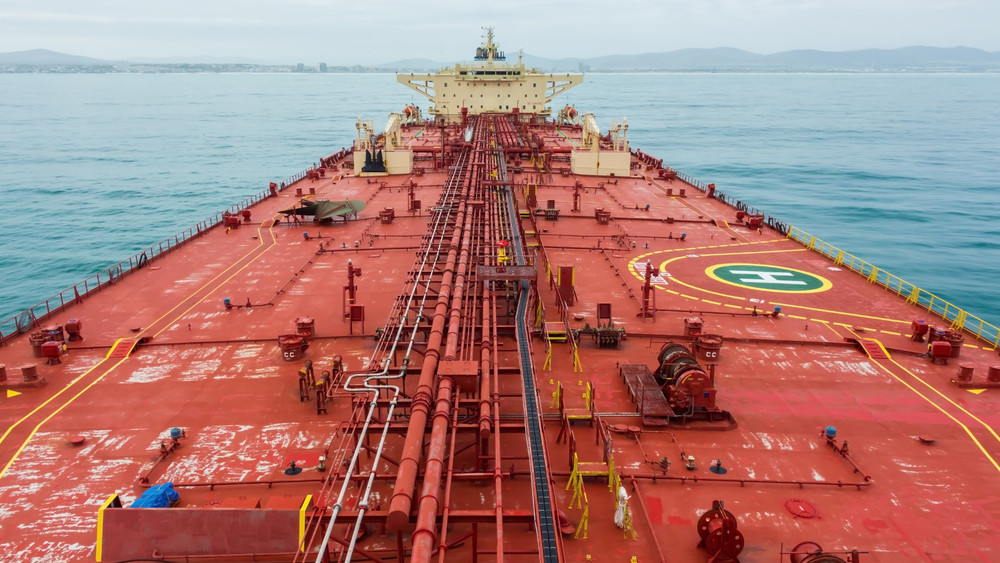
ADNOC Logistics & Services, a unit of Abu Dhabi’s national oil company ADNOC, confirmed on Wednesday that one of its vessels was attacked while transiting the Strait of Hormuz on the evening of November 17, as attacks on tankers in the area have intensified in recent weeks.
Following the attack on the ADNOC ship, one crew member remains unaccounted for as of early Wednesday, while all other crew members have been safely evacuated from the vessel. Eleven sustained injuries and, where required, are receiving medical care, ADNOC Logistics & Services said.
“Our immediate priority is supporting the search and rescue effort, our crew and those affected,” ADNOC’s fleet management company said.
“ADNOC reiterates the importance of protecting seafarers and safeguarding freedom of navigation and maritime security.”
The attack took place a week after ADNOC Logistics and Services said last week that one of its vessels sustained damage following an attack in the UAE’s territorial waters, in the Arabian Gulf, on the afternoon of November 10.
ADNOC in August bought 11 very large crude and gas carriers for $1.3 billion as the national oil company of Abu Dhabi continues to expand its fleet of supertankers to boost crude and LNG exports. ADNOC L&S currently owns over 340 vessels and operates 600 chartered ships.
Attacks have intensified in recent weeks, with Iran reporting nearly daily incidents of tankers hitting naval mines in corridors that Iran has designated as “unauthorized” in the Strait of Hormuz.
The UK Maritime Trade Operations (UKMTO) is also receiving frequent reports of attacks in the area.
Earlier this week, the foreign ministers of Iran and Oman discussed the situation in the region and the importance of keeping security in the maritime corridors to ensure smooth flows of shipping and trade.
Separately, Iran’s Islamic Revolutionary Guard Corps (IRGC) Navy has warned oil tanker owners that “the U.S.-backed southern passage through the strait had been mined, cautioning that trusting U.S. military officials and cooperating with them would put their vessels at risk.”
By Tsvetana Paraskova for Oilprice.com