
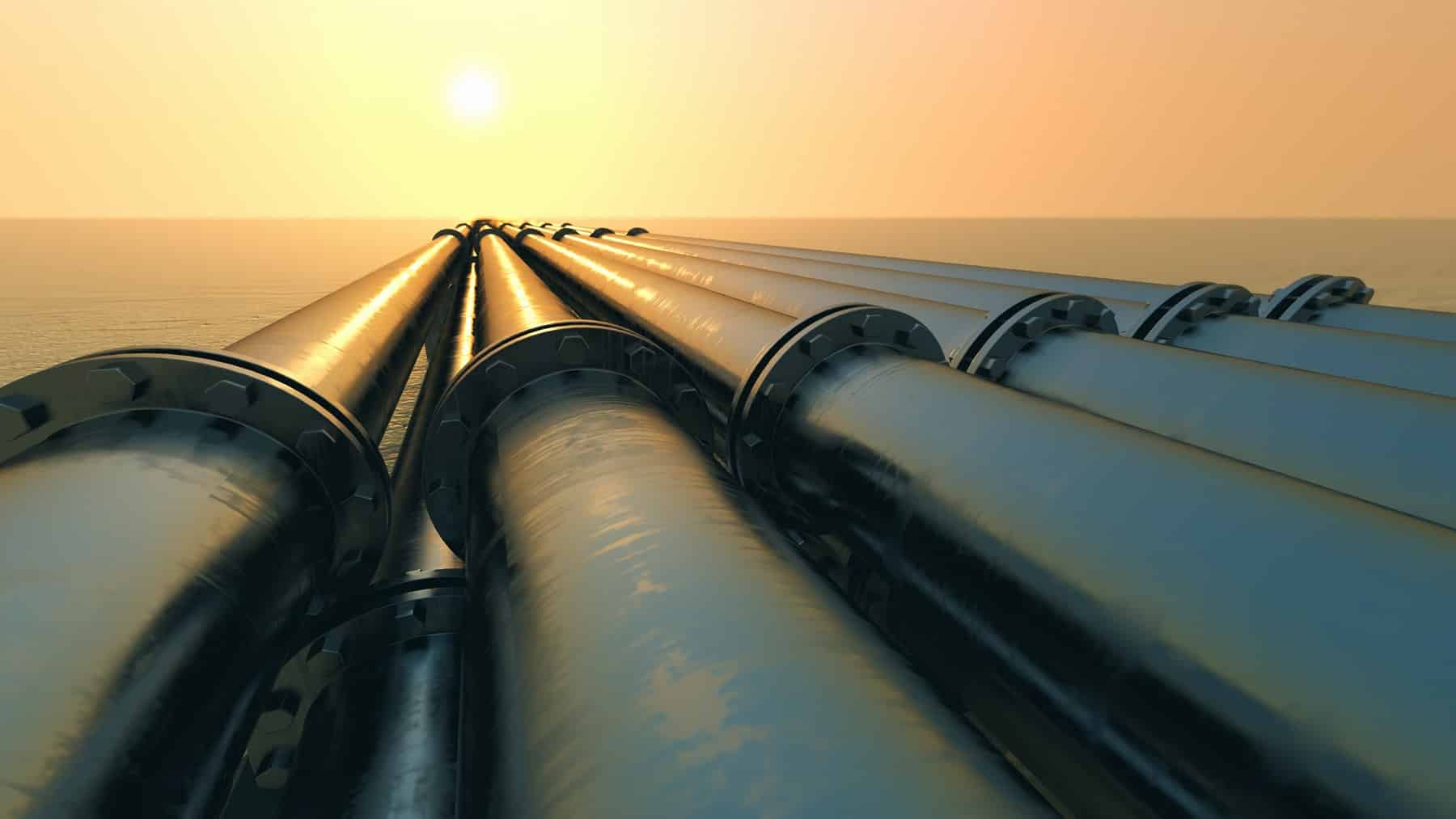
China’s energy consumption has been a key factor in its industrial revolution, though its latest action in building up coal facilities is taking the intensity to unprecedented levels. With Beijing’s resolve to secure a reliable energy supply, is this growing system merely about keeping the lights on, or is it going to assert China’s presence in the world’s energy order?
The historic importance of coal to China and its expansion
As China has always developed, coal has remained at the core. The only difference today is that the equipment created to transport it is bigger and more sophisticated. In addition to railways and ports, China has made vast improvements in coal transport pipe systems and long-haul infrastructure so as to transport mass coal between the inland mines and the coastal demand for power sources.
Train convoys and overloaded trains became the main mode of transport in the early years of coal transportation in China. Although efficient, it was ineffective and environmentally demanding. However, during the past 20 years, Beijing has invested heavily in specialized corridors and pipelines as a way of streamlining the delivery of coal.
China’s reliance on coal as a major energy source is unlike that of other countries
Worldwide, no other country has developed coal transport networks of such capacity. Countries such as India and Indonesia are big, for example, in rail and seaborne trade, while the U.S. has left much of its coal infrastructure languishing as demand declines.
China, in contrast, has developed a domestic backbone sufficient both for feeding the industry and providing the massive export capacity, when markets tighten, to unleash goods. China imports great amounts of oil and gas, but coal remains its one fuel that it wouldn’t need to import as much of at home.
Massive reserves in northern provinces to provide decades of supply. Pipelines and corridors with varying capacity to transport hundreds of millions of tons a year mitigate the reliance on sea-borne imports and insulate the economy against disruption of foreign supplies. In this respect, coal infrastructure is as much geopolitical as it is pragmatic in the energy sense, like this new massive energy project designated to take over the planet.
The crucial reason for China’s reliance on Coal, unlike other global leaders
Coal serves as the major source of China’s electricity grid, which powers several sectors across the country. The manufacturing sector, in particular, heavily relies on continuous steel supply to keep it running. China’s construction of multiple transport networks has enhanced production in the country.
Additionally, it has been recorded that despite the growing market of renewable energy sources, coal still comes in as a critical stabilizer, preventing blackouts.
The vast influence of China’s reliance on the global community
The country’s coal strategy doesn’t stay within its borders. Developing the most efficient bulk cargo coal transport systems around the world affects world markets. Trading with countries such as Mongolia, Indonesia, and Russia will affect the global energy market. For many other countries importing coal, this means harsher competition for supply.
There is also the aspect of climate. Every expansion of coal transport locks in fossil fuel reliance at a time when the world is calling for a rapid transition. For Beijing, the contradiction is obvious in its support of green technologies abroad while making sure coal continues to flow at home.
China’s giant coal pipeline and transportation expansion is strategic rather than engineering alone. Beijing will guarantee the supply of energy, industrialized stability, and political stability to permit hundreds of millions of tons, just like their newly found energy dating back a million years ago. The world cannot overlook China’s giant expansion, whether it is uneconomical or not.