
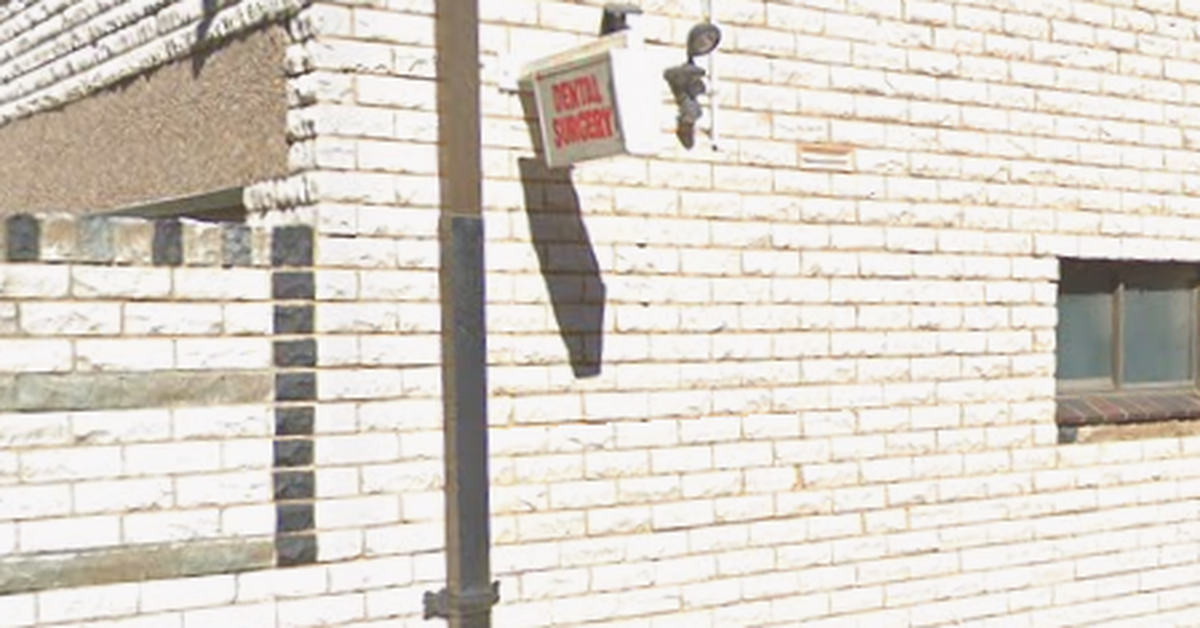
Patients of a dentist in Sydney’s south are being urged to get tested for blood-borne viruses due to infection control breaches identified at the practice.
The Chief Health Officer has advised current and former patients of Safuan Hasic, also known as Steven Hasic, who worked from a practice at 70 Victoria Avenue, Mortdale, to get tested for blood-borne viruses due to infection control breaches identified at his practice.
Patients could have been exposed to hepatitis B, hepatitis C and HIV, due to poor cleaning and inadequate sterilisation of dental equipment.
 Patients of a dentist in Sydney’s south are being urged to get tested for blood borne viruses due to infection control breaches identified at the practice. (Google Maps)
However health bosses said it’s “low risk”.
Hasic’s registration as a dental practitioner has been suspended by the Dental Council of NSW.
NSW Health has also issued a closure order for the dental surgery in Mortdale.
It said it has tracked down some patients and is contacting them.
But it has issued a plea for others to take note.
Director of South Eastern Sydney Local Health District’s Public Health Unit, Dr Vicky Sheppeard, said while the potential risk of infection is low, blood-borne viruses can have serious health impacts.
“Any current or former patients of Mr Hasic should see their GP as soon as possible and ask to be tested for blood-borne viruses as a precautionary measure,” Sheppeard said.
“Blood-borne viruses can be spread between clients on dental instruments where there isn’t stringent infection control.
“People infected with blood-borne viruses may not show symptoms for many years, so it is important to be tested to see if there is silent infection.
“There are effective treatments for hepatitis B, hepatitis C and HIV.”
Patients who have had tests after their last visit with Hasic should check with their GP if more tests are needed, even if results were negative.
NSW Health is working with the Dental Council of NSW and Health Care Complaints Commission to investigate.
Sign up here to receive our daily newsletters and breaking news alerts, sent straight to your inbox.