
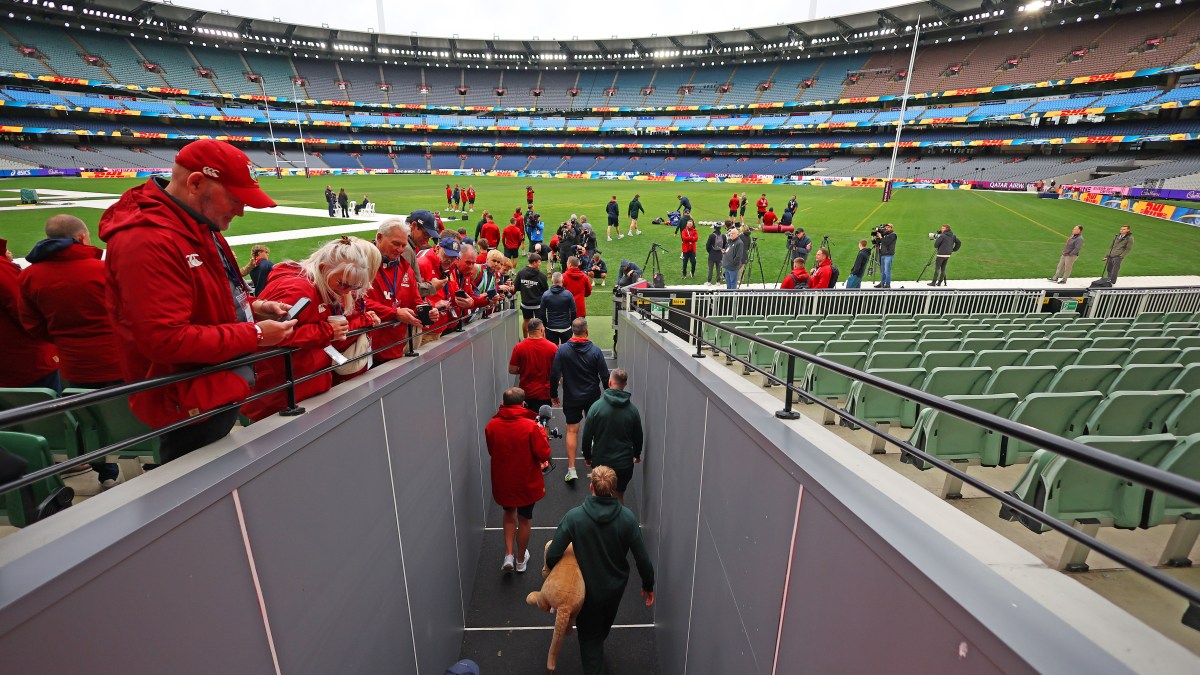
Melbourne. The MCG, Friday morning. Harry Wilson, the Wallabies captain, has just completed a light team training run and he says that his head, as much as anyone’s, is being turned by this historic sporting cathedral. Just the walk from the changing room out on to the field, he says, was a “pinch yourself” moment. He is trying to imagine what it’ll be like on Saturday night with 90,000 people here.
He, like many, is hoping that the noise plus the occasion plus the fact that this patch of grass is so dear to Aussie sporting hearts will provide some kind of an extra man.
But I am thinking about the question a local TV reporter put to Rob Valetini, one of his team-mates, a born and bred Melburnian, earlier in the week.

The MCG will play host to 90,000 fans as the Lions take on Australia on Saturday
TIMES PHOTOGRAPHER MARC ASPLAND
“This is an AFL state,” the reporter said. “How one-sided do you expect the crowd to be?”
The implication was that, because people here are obsessed with Aussie Rules, it would be one-sided against the home team. Cruel and probably wrong but worth investigating because it gives such an insight into where rugby union is in Australia right now and why this Lions series is likely to have been decided by Saturday night.
The depth of love for AFL here in Melbourne and the wider state of Victoria is staggering. On Friday morning, the eve of the second Lions Test, the local newspaper, the Herald Sun, gave the first ten pages of its sports section to AFL — only then was there a single page about the Lions Test.
Aussie Rules is so popular that Melbourne is able to sustain nine AFL teams, ten if you include Geelong which is 70km out of town. Compare that with rugby union: the one Melbourne team, the Rebels, closed down a year ago with debts of A$23million (£11.2million).
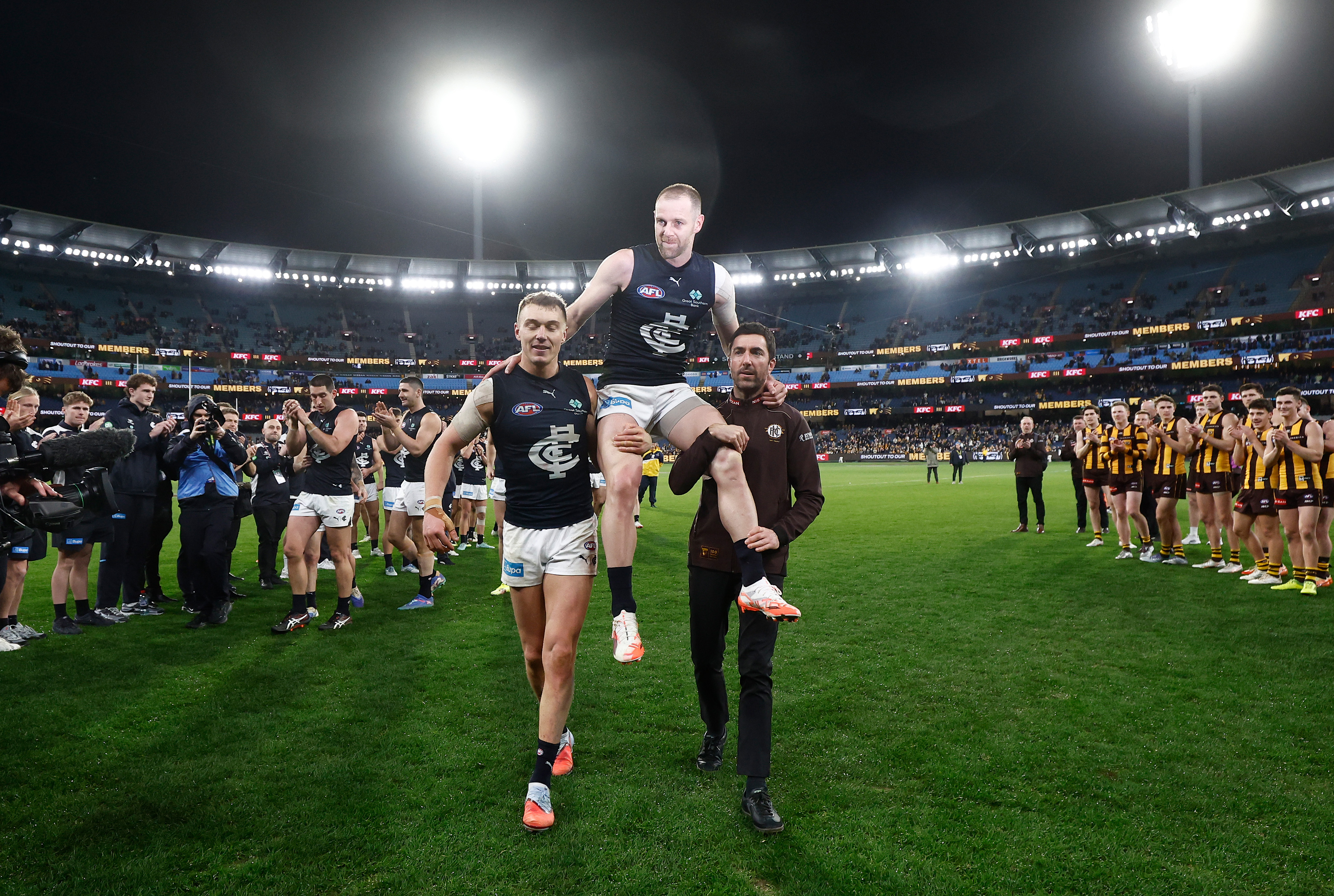
Aussie rules attracts much more interest in Melbourne than rugby union
MICHAEL WILLSON/AFL PHOTOS/GETTY IMAGES
Think of the playing numbers. Each AFL team has a squad of 34-36 players. That makes 350 professional athletes. And that’s before you get to the VFL, the Victorian League, which is the semi-pro second division. There are 16 VFL teams in Victoria, heaving with young men desperate to break up into the AFL. So let’s be conservative and say that that’s 500 athletes making a living from AFL here. And rugby union? Zero.
One of the storylines in this British & Irish Lions tour has been the projected bounceback for Australian rugby union. We know that rugby here has hit a low. Yes. But the narrative was this: the Aussies get this Lions tour, then the Rugby World Cup in two years’ time and the women’s Rugby World Cup two years later. This trilogy of major events is regarded as “the great opportunity”, the shot in the arm, the comeback.
I hope this works. I don’t believe there is a single Lions fan here in Melbourne who wishes to see the Wallabies continue their slide into obscurity. Yet when you are here, though, you are confronted with the astounding length of the odds.
This isn’t a story about whether or not Valetini is going to be fit for the weekend. It’s not a cyclical thing where you just know that there are better players en route. This is about where the next generation of Valetinis will come from. This is little old rugby union fighting for survival.
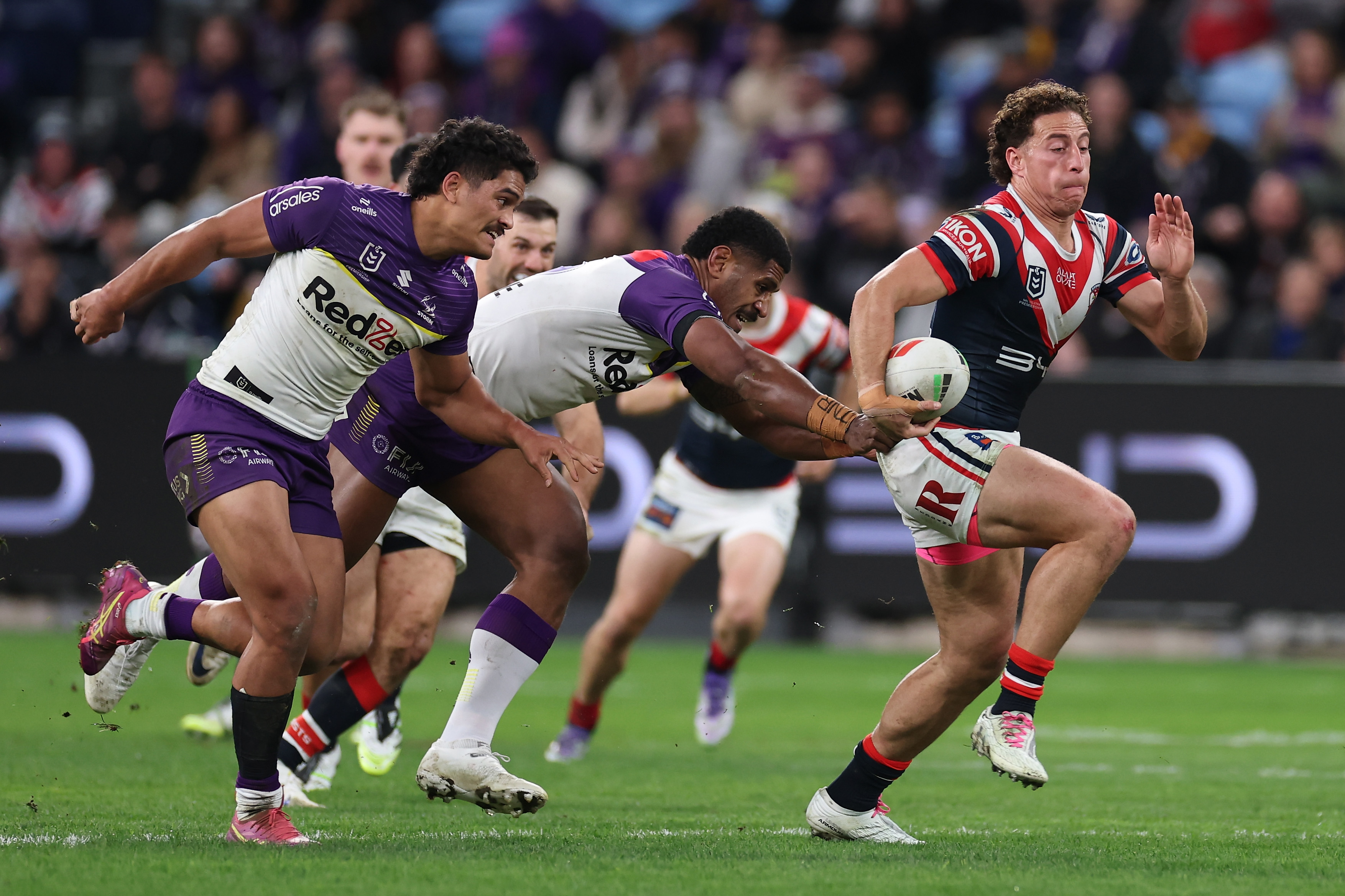
The NRL is also able to offer better salaries
CAMERON SPENCER/GETTY IMAGES
The media landscape makes that survival a challenge. The AFL is owned by Seven West Media. This is the same network that owns The Western Australian newspaper, so Perth, therefore, is another major city where there is wall-to-wall AFL coverage and barely a word on rugby union.
So, even if the Wallabies have something to shout about here, like an unlikely Test victory over the Lions, who’s going to hear it?
And we haven’t even mentioned NRL, the National Rugby League, the behemoth of sports here. There are 16 Australian NRL teams, soon to go up to 17. With about 35 players per club, that’s some 570 professional rugby players.
When we ask, then: where has all the rugby talent gone? The answer is NRL or AFL where there are more jobs and, by and large, better salaries. One of the big transfer stories right now is Harley Reid; he plays AFL for West Coast in Perth but the Melbourne clubs want to bring him back to his home city and the contract offer they are now having to top is £11.7million over ten years.

Reid has been offered a multi-million pound contract to return to Melbourne in the AFL
JANELLE ST PIERRE/GETTY IMAGES
Reid is fast, has good aerial ability and a strong boot, so in our language he is an international full back in the making. Why can’t Rugby Australia compete for him? Because the AFL’s TV deal is worth £343million a year, the NRL’s is £210million a year and rugby union is on £30million. That’s why.
It still remains the case that rugby union talent here is produced mainly in the private schools. That pipeline continues to flow. The Australian under-18s beat their Kiwi rivals in October for the first time in six years. The problem is the NRL vultures swooping in to claim the best of them.
In reporting that victory by the Australian schoolboys, The Roar, the leading rugby website, used the opportunity to make a strong editorial comment. That win, it said, was “a timely reminder that, when given the chance, Australia produces quality players across the park. The makings of a high-class forward pack looms for Australian rugby — if we can hold on to them. Such quality can only truly deliver if Australian rugby gets on the front foot and signs as many as possible.”
Good luck with that. Momentum and economics are starving rugby union of its talent. At its height, union would cherry-pick NRL talent; that has now been reversed. Carter Gordon and Mark Nawaqanitawase, two young stars from their 2023 World Cup campaign — they’ve both already gone to NRL.
So while it’s supposed to be fun to beat the Aussies, this time, weirdly, the heart bleeds for them. They keep on telling us: beware a wounded Aussie. My fear is that these are wounds from which the Aussies never recover.
I actually wonder what a Wallabies victory in the MCG would achieve.
They are expecting 90,000 people here for the game, which would be massive and thrilling. But they got 99,382 for a Real Madrid-Man City friendly here ten years ago, and 95,446 to see Liverpool in their 2013 pre-season play the home team Melbourne Victory.

A full MCG does not necessarily indicate a healthy state of the game in Australia
TIMES PHOTOGRAPHER MARC ASPLAND
Melburnians, they say, love an event and will turn out for a one-off of anything. Especially if there are tickets still going for $49 (£24).
A lot of them won’t understand the rules, though. And once it’s been and gone, you’ll hardly be able to read about it here. And it’s hard to build momentum when there’s no other pro rugby team in the state.
In the Crowne Plaza hotel here, where the Wallabies are staying, there are a number of Irish fans staying too and they have been wishing Joe Schmidt, the Wallabies coach, good luck.
Strange, isn’t it, to be wishing the opposition good luck? But how badly do they need it.