
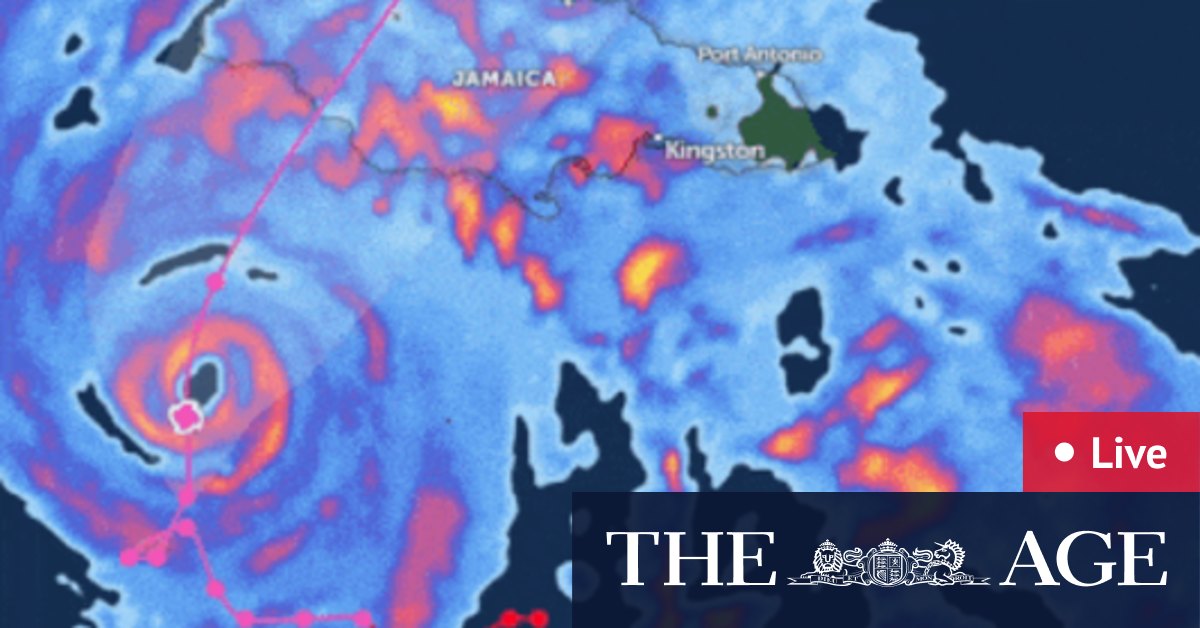
Have you ever wondered why hurricanes have names like Katrina, Harvey, or Ida? The World Meteorological Organisation (WMO) says naming tropical cyclones makes it faster and easier to share warnings, raise public awareness, and track storms – especially when several are active at once.
Naming hurricanes also helps meteorologists, emergency teams, and the media avoid confusion, and makes it simpler to keep historical records of storms.
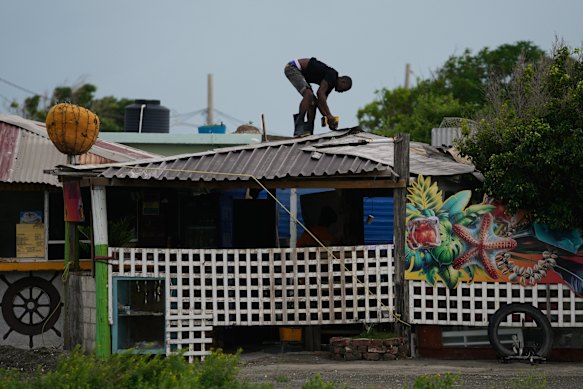
A man fortifies a roof ahead of the arrival of Melissa in Kingston.Credit: AP
Historically, storms were often named after something they affected – like “Antje’s hurricane”, named after a ship it damaged. Later, scientists used coordinates (latitude and longitude) to identify storms, but that got complicated when sharing information across the globe.
By the mid-20th century, meteorologists began using short, familiar names instead. In 1953, the US National Hurricane Centre started using women’s names for Atlantic storms. In 1979, male names were added, and ever since, the lists have alternated between men’s and women’s names.
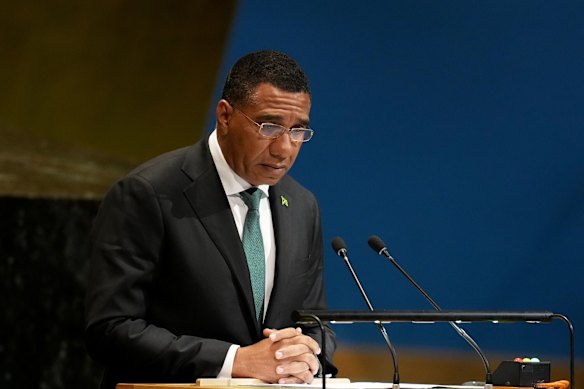
Jamaican Prime Minister Andrew Holness has warned residents of deteriorating conditions as Hurricane Melissa approaches.Credit: Bloomberg
The WMO now oversees the naming process worldwide. Each region has its own list of names that rotate every few years.
In the Atlantic and Southern Hemisphere, names go in alphabetical order and alternate between male and female. In other areas, names may be chosen in order of contributing countries.
Names are not chosen based on specific people. Instead, they must be: short and easy to pronounce, suitable across languages and culture, and unique within their region.