
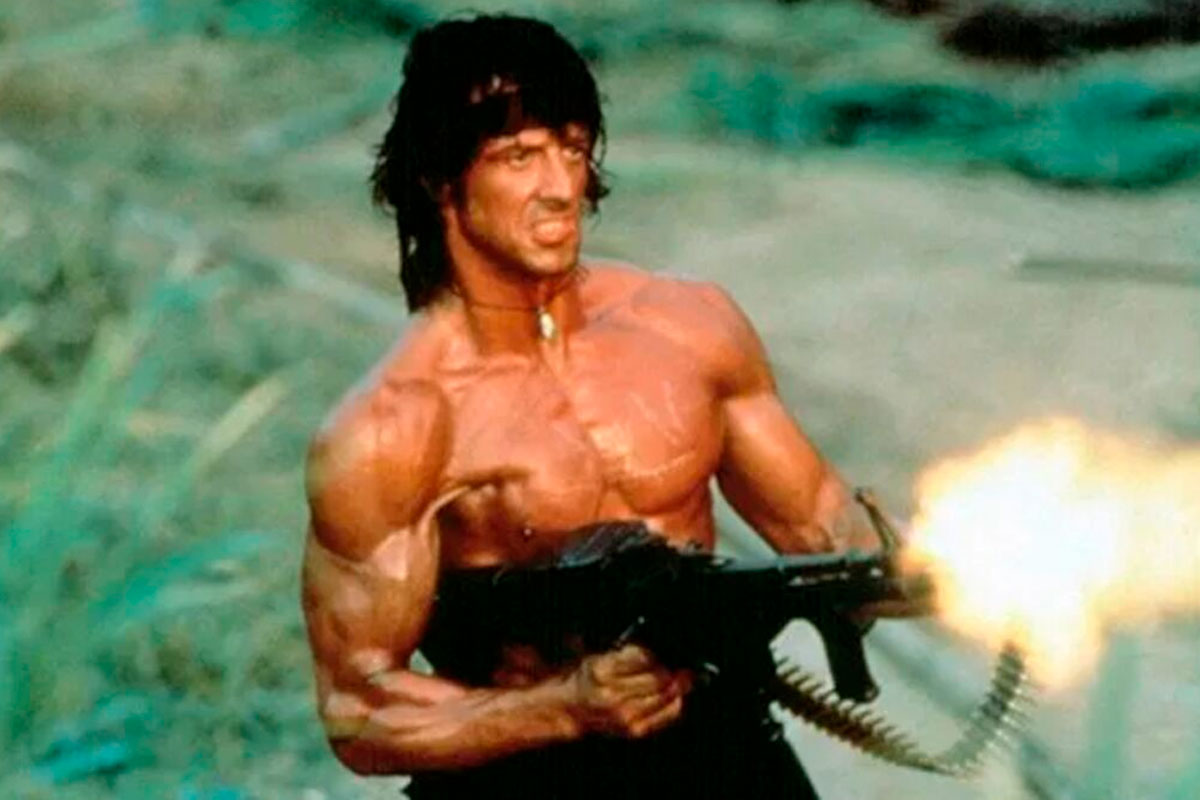
Stallone made Rambo a myth. He did not make him first. The answer hides in a film that rewrites what you think you know about the character’s origins.
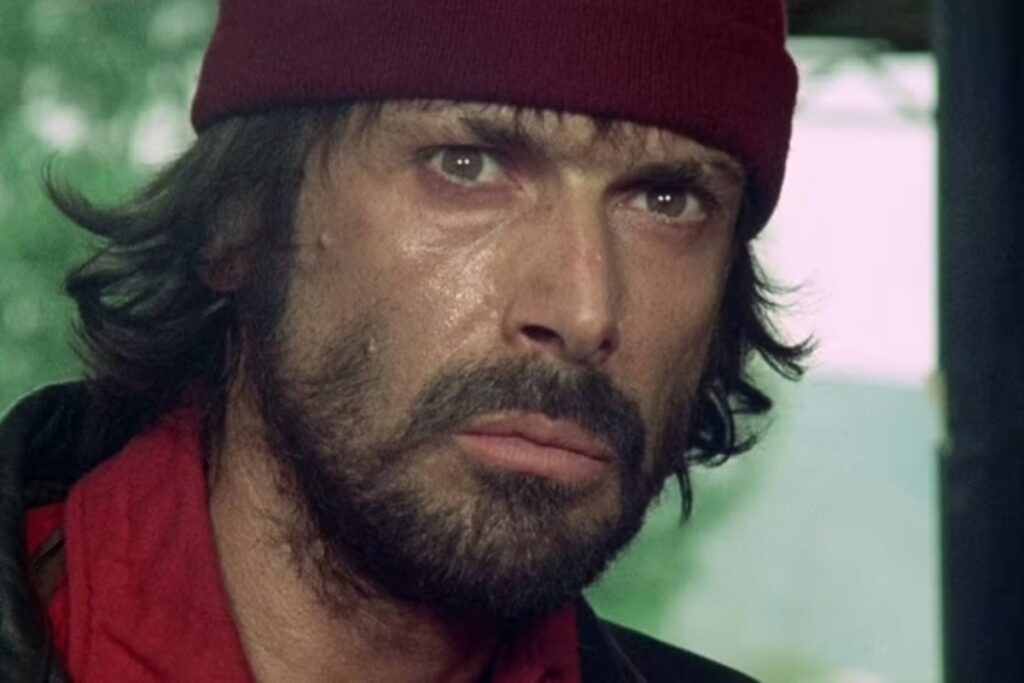
Long before red bandanas became pop-culture shorthand, a Cuban star was already answering to the name Rambo in a gritty Italian thriller. Tomás Milián, a fixture of spaghetti westerns and poliziotteschi, headlined Umberto Lenzi’s “Bracelets of Blood” as an ex-cop biker on a revenge tear. The project grew from early plans to adapt David Morrell’s 1972 novel, then veered into its own storyline. Stallone would later turn Rambo into a global icon in 1982, but this earlier version drew crowds in Italy and carved a curious chapter in the character’s screen history.
A surprising Rambo debut: before Stallone, there was Tomás Milián
When the name Rambo comes up, Sylvester Stallone’s steely gaze and relentless drive usually dominate the memory. He cemented the character as a touchstone of action cinema. Yet, nearly a decade earlier, the Cuban-Italian star Tomás Milián portrayed a character called Rambo in a very different context, adding an unexpected chapter to the character’s evolving identity.
The origins of Rambo: from novel to screen
The journey starts with David Morrell’s 1972 novel First Blood, which introduced a haunted Vietnam veteran hardened by survival and consumed by vengeance. Milián, already a prominent figure in Italian spaghetti westerns and tough crime dramas, was reportedly intrigued by the book’s premise and explored bringing it to the screen. His bid to produce an adaptation in Italy faltered during development.
Refusing to abandon the core idea, Milián pivoted. He sought to reinterpret the concept within Italian genre cinema, blending raw energy, melodrama, and relentless action into a fresh take that carried echoes of his original inspiration.
Rambo’s Italian chapter: Bracelets of Blood
Milián’s reworking emerged as the film The Tough Ones, better known domestically as Bracelets of Blood, directed by the prolific Umberto Lenzi. Released in the late 1970s, it diverged sharply from Morrell’s narrative. This version presented a Rambo figure not as a war veteran but as an ex-policeman with a biker streak, driven by revenge and set against the brutal machinery of the Italian underworld.
The film connected with audiences at home, taking in 1.5 billion lire in Italy. Milián’s Rambo resonated locally and showcased the strength of Italian action-crime cinema of the era, reframing the name with a distinct tone and trajectory far from the interpretation that would later dominate globally.
Stallone’s Rambo rises
In 1982, Sylvester Stallone roared into theaters with Ted Kotcheff’s adaptation of Morrell’s First Blood. His intense portrayal of John Rambo drew directly from the novel’s core themes of alienation, war trauma, and survival, propelling the character into worldwide recognition. The film’s impact spawned a major franchise and fixed Rambo’s image in the collective imagination.
Stallone’s version became iconic, yet the earlier iteration illuminates how the idea had already been explored on different terms. Milián’s take left a smaller but notable imprint on Italian cinema, offering a contrast that enriches the character’s broader legacy.
Finding the forgotten Rambo
For viewers curious about Tomás Milián’s approach, Bracelets of Blood can still be found via specialized platforms that spotlight Italian genre classics. Though overshadowed by Stallone’s enduring legacy, it stands as a distinctive cultural interpretation of a name that would later become synonymous with a different kind of hero.
Rambo’s varied incarnations highlight the adaptability of enduring characters, each version reflecting its time and creative context. Milián’s grittier, Italian-style take remains a regional phenomenon that enriches the mosaic of action cinema history.