

Inside Disney, a high-gloss sequel turned into a tug-of-war no one wants to own. Who really steered Tron: Ares, and why do the fingerprints fade just as the receipts roll in?
The latest Disney sci-fi tentpole sputtered long before opening weekend. Inside the production, Tron: Ares turned into a tug-of-war over pages and power, with Jared Leto pushing for changes while director Joachim Rønning backed an earlier Jez Butterworth draft. What followed were costly reshoots, a carousel of script doctors, and late fixes from Billy Ray that struggled to stitch together a single vision. The budget ballooned as the box office slumped, a cautionary tally of how creative rifts can drain momentum and money.
The ambitious revival of Tron
It wasn’t meant to be this way. When Disney announced Tron: Ares, fans of the cult franchise were thrilled at the prospect of a return to the neon-lit world introduced in Tron (1982) and updated with style in its 2011 sequel, Tron: Legacy. Armed with a sizeable budget and Jared Leto in the leading role, the project seemed poised to shine. Yet, as box office reports now confirm, the finished film struggled to connect with audiences. Could it be that the issues during production left more than their fair share of scars?
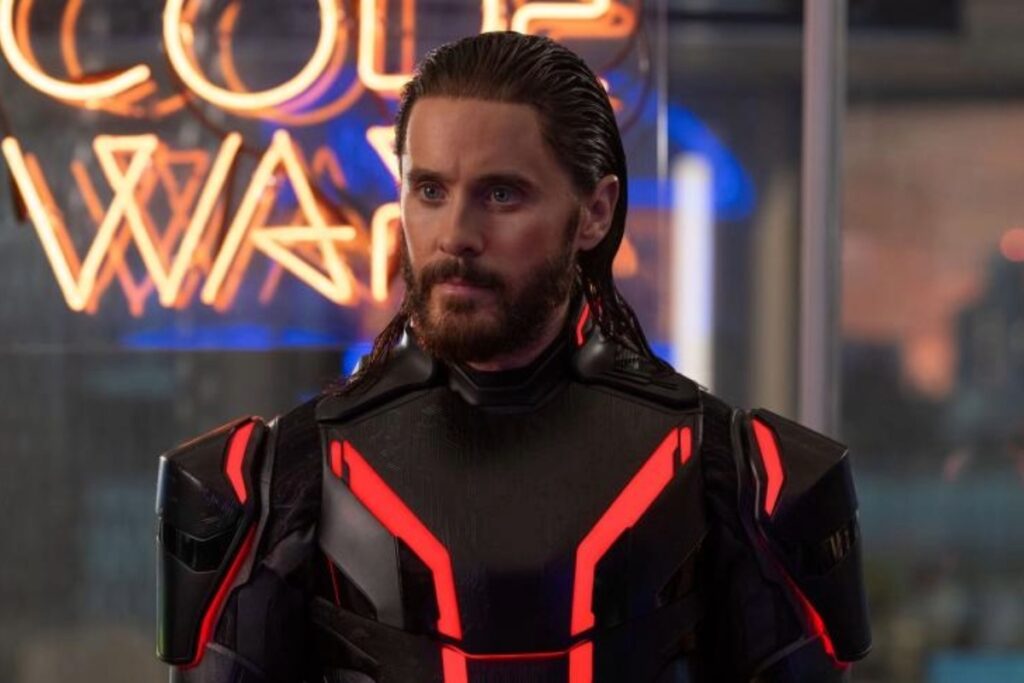
The production hurdles that rewrote a vision
The road to Tron: Ares was anything but smooth, and its behind-the-scenes challenges now raise eyebrows across Hollywood. Expectations soared after a decade-long gap since the last film, but insiders suggest the production was mired in creative deadlock: extensive script rewrites and post-production reshoots became the norm. Jared Leto, known for immersing himself deeply in his roles, reportedly weighed in with notable script change requests. While his involvement added buzz pre-release, it seems to have further complicated the process.
Key players in the script reshaping included director Joachim Rønning and screenwriter Jez Butterworth, but their vision clashed with Disney executives. Adding to the chaos, Billy Ray was later brought in to overhaul the story after principal photography. Multiple voices trying to assert their own ideas on a single narrative is a recipe many filmmakers dread, and the final product appeared to lack coherence.
Reshoots: Hollywood’s secret weapon or Achilles’ heel?
Reshoots are no stranger to blockbuster filmmaking. They offer an opportunity to fix missteps, clarify a story, or amplify dramatic moments. But in the case of Tron: Ares, many point to an overuse of this industry practice. Repeated modifications to the storyline post-shoot muddied what the original intent might have been. One wonders, how much can a team realistically pivot before they lose the essence of a film entirely?
Furthermore, the often-shadowy roles of script doctors brought in anonymously to sharpen dialogue or rethink key scenes hint at deeper issues here. While they do valuable work, their involvement often signals that something isn’t quite clicking. It’s evident that Tron: Ares became a patchwork of different visions. Could this lack of cohesion explain why audiences left theaters underwhelmed, despite the dazzling special effects?
A missed opportunity or a lesson for the future?
There’s no denying that Tron: Ares now joins the ranks of films burdened by their own ambition. As Disney faces the fallout from its high-budget, low-return project, it might serve as a cautionary tale. Reshoots, star involvement, and executive oversight are all standard fare, but when taken to extremes, they can derail even the most promising of projects. The Tron franchise, which once seemed to promise a bold new cinematic universe, may now face an uncertain horizon.
Not all is lost, however. Hollywood history has shown that hiccups, failures, and artistic struggles often pave the way for reinvention. Maybe the next chapter in the grid will not just reboot the story but restore its glow altogether.