
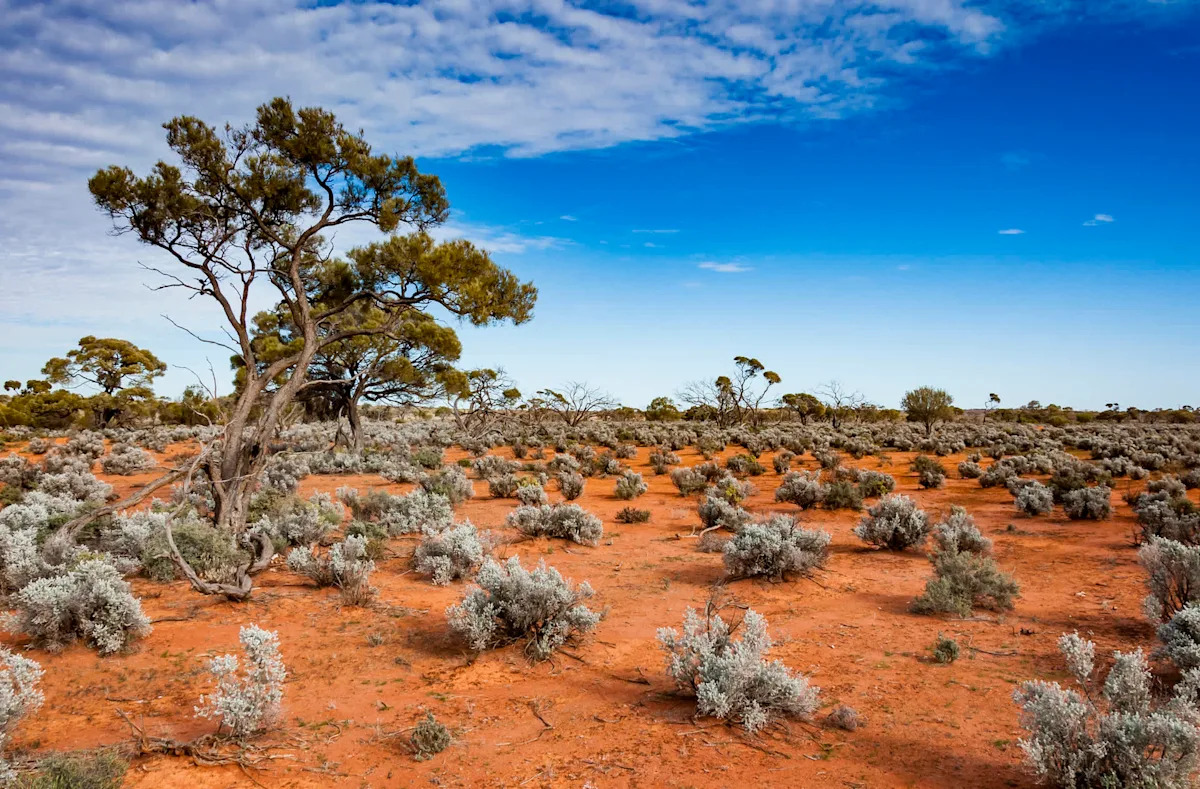
In southeastern Australia, conservationists are celebrating an incredible comeback story. The Belleville News-Democrat reported that a series of sightings at two protected areas in New South Wales revealed seven baby numbats — one of the rarest mammals in the world — offering what experts call “hope for the future.”
The Australian Wildlife Conservancy (AWC) confirmed the discovery in an Oct. 9 news release after researchers and photographers spotted the young marsupials at Mallee Cliffs National Park and Scotia Wildlife Sanctuary between Sept. 23 and 25. The animals, which were once locally extinct in New South Wales, were observed playing, sleeping, and exploring outside their dens — a clear sign that the population is recovering.
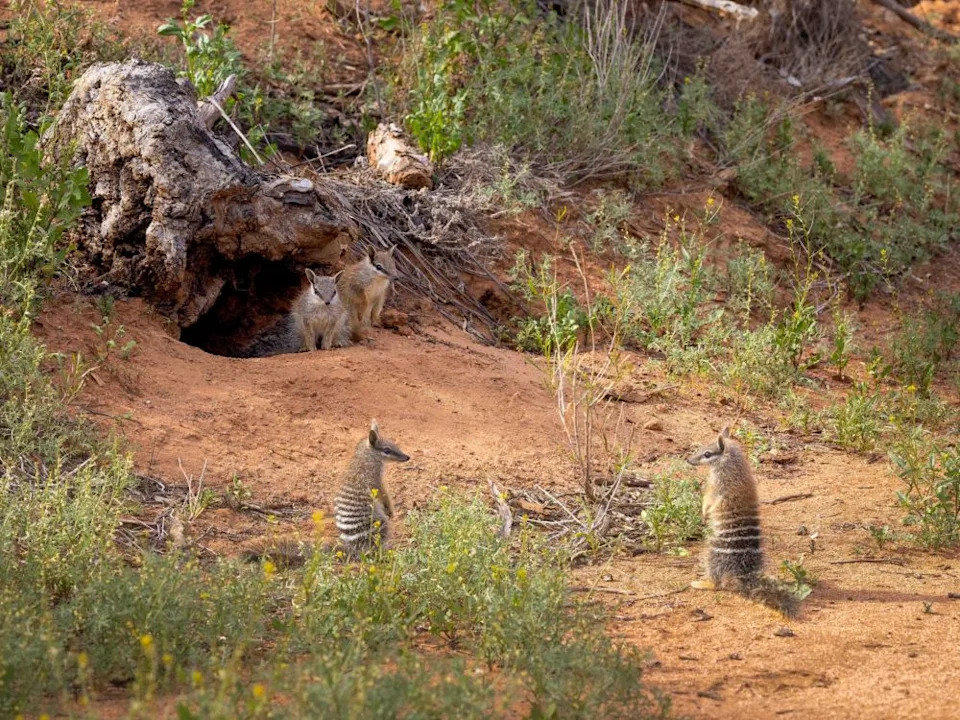
Photo Credit: Brad Leue/AWC
Numbats are highly specialized, termite-eating marsupials that grow to about 16 inches in length and sport striking white stripes across their reddish-brown fur. Once common across southern Australia, their numbers plummeted due to habitat loss and invasive predators such as cats and foxes.
The recent sightings suggest that reintroduction and predator-control programs are starting to pay off, with these juveniles believed to be the great-great-grandchildren of numbats released in 2020.
Trail cameras and consistent field monitoring have been key tools in tracking these populations, helping experts confirm breeding success and gauge overall species health. These technologies are becoming critical worldwide for conservation, allowing scientists to measure progress in reintroduction and rehabilitation efforts for endangered wildlife.
Healthy wildlife populations are essential for resilient ecosystems, which support agriculture, clean water, and food security for local communities. Smart environmental management — from maintaining predator-free zones to restoring native habitats — ensures that humans and wildlife can thrive together.
As ecologist Rachel Ladd from AWC put it: “Babies are always a really special find. Seeing seven young numbats tells us the population is breeding under favorable conditions and becoming more established.”
Each tiny numbat spotted is a reminder that with persistence, science, and care, even the rarest species can be given a second chance.
Join our free newsletter for good news and useful tips, and don’t miss this cool list of easy ways to help yourself while helping the planet.