
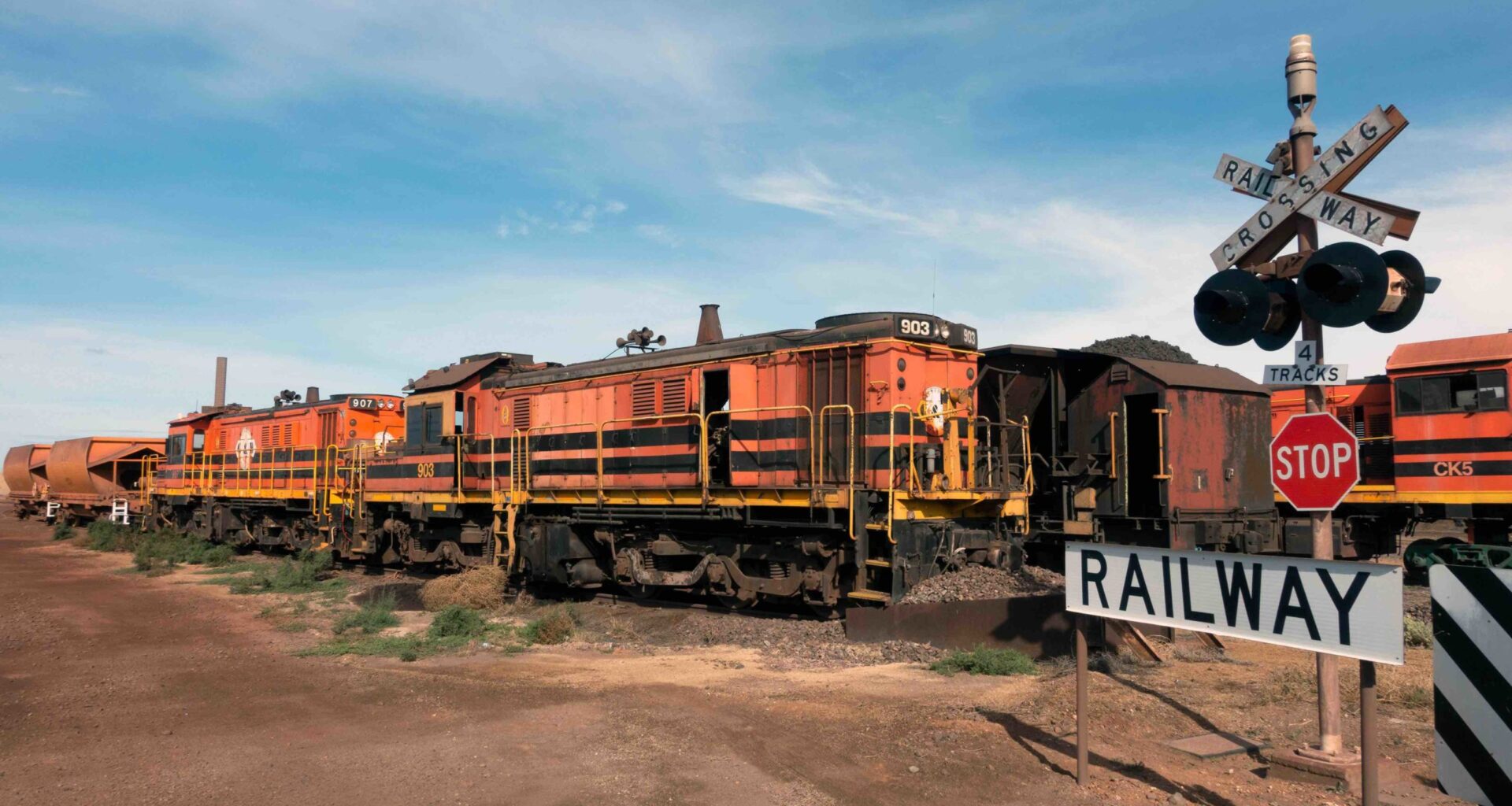
In what might be the most delicious irony of 2025, the Queensland government has done a deal to support coal mines with renewable energy.
A partnership between state-owned CleanCo and logistics company Aurizon will “strengthen the competitiveness of Queensland’s metallurgical coal exports” by meeting a quarter of the rail operator’s energy needs with renewables.
The government described it as delivering “more sustainable energy” to the state’s coal export supply chain.
It says that “by securing renewable energy from CleanCo” Aurizon can continue operating its coal export rail network.
The government’s statement says this is “a fresh start and a plan for Queensland’s future, after a decade of decline under Labor.”
CleanCo will supply Aurizon with renewable energy from its contracts with the giant 930 MW MacIntyre wind project that is still labouring its way through commissioning in the Western Downs, along with the Kaban wind farm in far north Queensland and Woolooga solar farm, north of Brisbane.
Admittedly, this is metallurgical coal – the kind needed for steelmaking rather than electricity – but the arrangement does come after Queensland rejected renewables in its energy roadmap.
That plan dumped coal closure targets and promised to, somehow, keep ageing generators online into the 2050s, while suggesting little to no new wind or solar power – apart from those projects already contracted – will be built in the state after 2030.
But the state still needs to do something with its existing portfolio of shares in some of the country’s biggest renewable energy generators, and putting them to use to support the coal industry is one way to spend low-cost renewables.
State-owned Stanwell Corp owns a piece of seven different wind, solar and battery projects alone with 1.6 gigawatts (GW) of capacity, and CleanCo has ownership stakes in eight with capacity of 2.1 GW, according to RenewMap.
Central Queensland Power, Energy Queensland, Queensland Hydro, and even the state government own direct stakes in 41 wind, solar, battery and hydro projects with a capacity of 5 GW.
This list does not include power purchase agreements state-owned entities have cut with renewable projects across the country.
State treasurer and energy minister David Janetzki says the CleanCo-Aurizon green energy agreement will support regional exports by making them more competitive.
“With major employers like Aurizon and its customers committed to sustainable energy, it sends a powerful signal across the supply chain,” he said in a statement.
In a hint at what is to come, CleanCo CEO Tom Metcalfe says the state’s exporters are under “increasing pressure to demonstrate lower-emission supply chains”.
“By utilising Queensland’s abundant solar and wind to support Queensland businesses, we are unlocking regional jobs and investment across the state,” he said in a statement.
Much like Rio Tinto is sidestepping the state’s pro-coal perspective by lining up renewable energy generators to replace its Gladstone coal power station, so Aurizon is also working to do that same.
It says it’s embedding “sustainable, lower-emission energy across every stage of the supply chain in the Mackay region, from rail transport to port operations”, albeit with a far-off 2050 target, as it seeks to get a foothold in a new green economy.
If you would like to join more than 27,800 others and get the latest clean energy news delivered straight to your inbox, for free, please click here to subscribe to our free daily newsletter.

Rachel Williamson is a science and business journalist, who focuses on climate change-related health and environmental issues.