
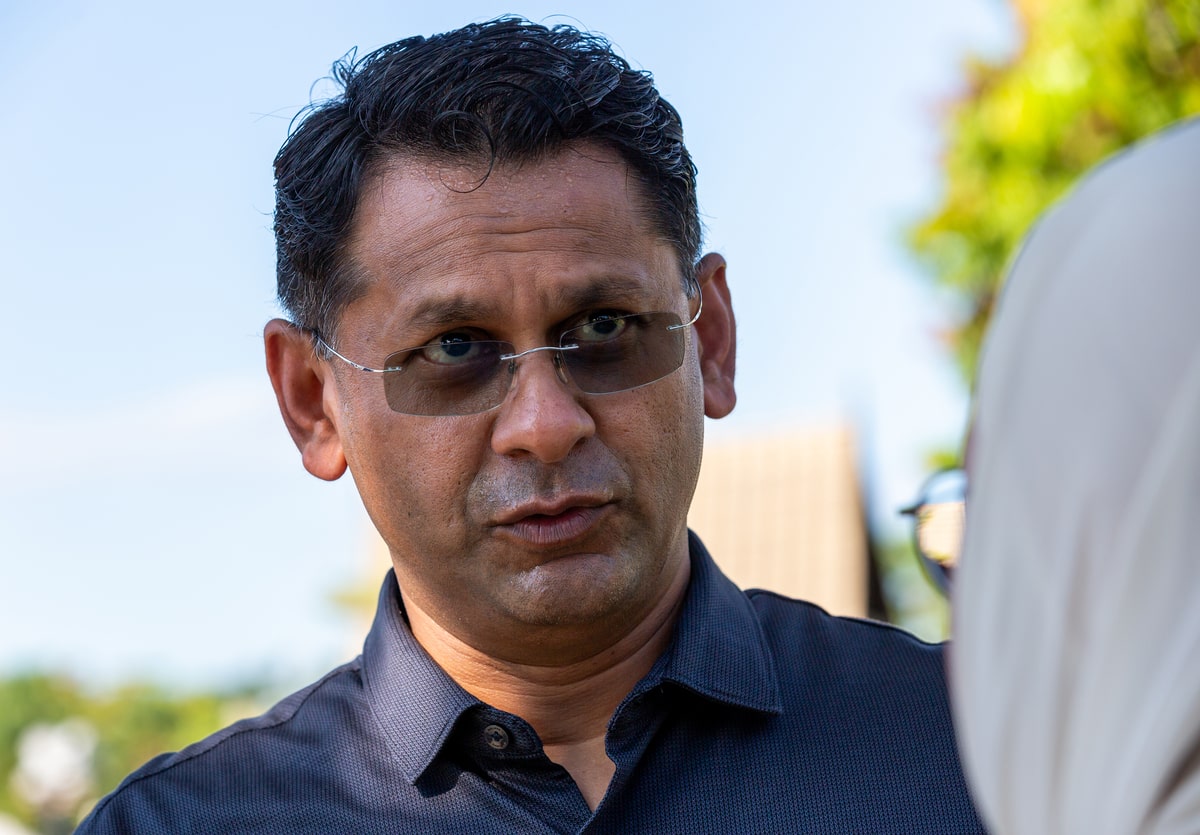
KUALA LUMPUR, Nov 14 — The Malaysian Medical Association (MMA) has called for drastic, whole-of-society measures to curb the alarming rise in diabetes cases, warning that the situation has reached a critical point.
According to an article in The Star on November 13, 2025, Malaysia now ranks 13th in the world and highest in Southeast Asia for diabetes prevalence, with 21% of Malaysians, or one in five adults, living with the disease.
The National Health and Morbidity Survey (NHMS) 2023 also found that 15.6 per cent of adults are living with diabetes, and more than half are overweight or obese.
“This is deeply worrying. Diabetes is no longer just a health issue — it’s a national crisis,” said MMA president Dr R. Arasu, in conjunction with World Diabetes Day on November 14, 2025. “We need bold and coordinated action involving the government, industry, educators and the public.”
Diabetes In Malaysia: A Rising Burden That Demands Coordinated Prevention
This issue goes far beyond hospitals and clinics. Poorly controlled diabetes leads to long-term complications such as kidney failure, heart disease, amputations, blindness, and stroke, many of which require costly, lifelong care.
According to a Ministry of Health (MOH) and World Health Organization (WHO) report, diabetes accounted for RM4.38 billion in direct health care costs in 2017 alone. If prevention and lifestyle change are not prioritised, this number will continue to rise, along with the burden on families, employers, and the national health budget.
“We cannot afford to let this continue. Prevention is far more cost-effective than treatment,” said Dr Arasu. “Every Malaysian should go for a medical check-up at least once a year. Early detection and timely intervention can save lives and prevent serious complications.”
He warned that unchecked diabetes not only harms individuals but also adds significant pressure on the healthcare system and economy.
“Delays in diagnosis and treatment increase medical costs and reduce quality of life. We must act now to reverse this trend,” he said.
MMA’s Recommendations For A Coordinated National Response
Promote Annual Health Screenings for Adults: Early detection is key. Many live with diabetes unknowingly, missing opportunities for early intervention. Making annual screening accessible and culturally normalised, starting from age 18, can reduce complications and long-term costs.
Strengthen Public Health Education in Schools, Workplaces, and Media: The MMA recommends integrating consistent messaging on healthy eating, physical activity, and diabetes awareness across schools, employer wellness programmes, and public campaigns. Lifestyle change begins with better understanding.
Support healthier food environments through policy.
The MMA is calling for:
A gradual 20 to 30 per cent reduction in added sugar content across manufactured foods and beverages over three to five years. This target is achievable, aligned with global practice, and can significantly reduce the burden of non-communicable diseases (NCDs).
Expansion of the sugar tax.
Clear front-of-pack nutrition labelling.
Encouragement Of Affordable And Nutritious Food Choices
“We must immediately cut down the sugar in our food and drinks.
“The food and beverage industry has to be part of the solution, not the problem,” said Dr Arasu.
Looking Ahead
Preventing diabetes is more cost-effective than treating its complications. The MMA is calling for a multi-stakeholder approach involving ministries, local authorities, healthcare professionals, schools, and community groups.
The MMA also supports the formation of inter-ministerial task forces or strategic partnerships between public health agencies and non-governmental organisations. While some initiatives exist, stronger alignment and measurable national targets are urgently needed.
Diabetes is a long-term issue, and it requires a long-term plan. The MMA remains committed to supporting policies and partnerships that focus on early prevention, accessible screening, and public education so that future generations are not burdened by a preventable disease.
“Health is everyone’s responsibility. Only through a united, whole-of-society effort can we turn the tide against diabetes and protect the well-being of future generations,” said Dr Thirunavukarasu.
This article was provided by Malaysian Medical Association (MMA).