
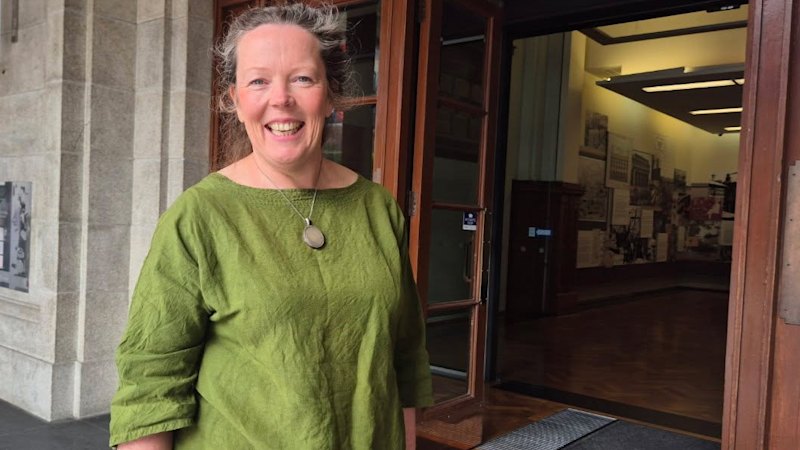
“For many, the middle years represents a period of advancement at work, growing responsibilities at home and a shift towards building wealth and financial security for later in life,” the report said.
Loading
“Yet the pressures this group faces are often overlooked in public debate, even as they shape future wellbeing for households, communities and the economy.”
Co-author Dr Daniel Kiely said this year’s report found that, despite Australians like Fiona contributing the most to households, care arrangements, community and their workplaces, their life satisfaction was at an all-time low.
“Australians in midlife are the scaffolding of our society as they raise children, support ageing parents, drive economic productivity and maintain community life,” Kiely said.
“But these contributions come at a cost.”
The report particularly focused on the contributions of women in their 40s and 50s, who Kiely said would do about 12 more hours per week on housework and care than their male counterparts.
As a result, they were also more 13 per cent more likely to experience time stress than men.
“The gender divide is stark,” the report found.
“While men report higher time pressure linked to work demands, women face a ‘double shift’ that compounds fatigue and erodes leisure and social connection.”
The report also found the financial satisfaction of Australia’s middle-aged class had significantly changed over the years, in keeping with a broader trend of the higher cost of living.
“The middle years can be a period of higher earnings for many Australians, but they also bring greater financial demands – from meeting housing costs and childcare expenses to saving for retirement and supporting family needs,” it said.
“In 2023, over 13 per cent of middle-aged Australians reported experiencing financial stress. The share rises sharply to above 35 per cent among single parents, followed by 22.6 per cent among single adults.
“Couples, both with and without children, report lower rates – though still around 10 per cent.”
Fiona and her husband are lucky to be in the latter group.
“We’ve been quite fortunate as well,” she says.
“I started working when I was 15, trying to put myself through uni.
“My husband was the same – we worked all the way through, and we were each able to buy a small property in our 20s.
“We were able to set ourselves up, but we certainly have eyes. We can see how our friends are doing, and when we go to the shops, and we come out with our regular grocery shopping, we do ask, ‘How was that $300?’”
Kiely said the report made a number of recommendations to the government, including introducing a universal carer’s card for those looking after ageing relatives and friends, expanding flexible work arrangements and increasing access to parenting, financial and relationship support.