
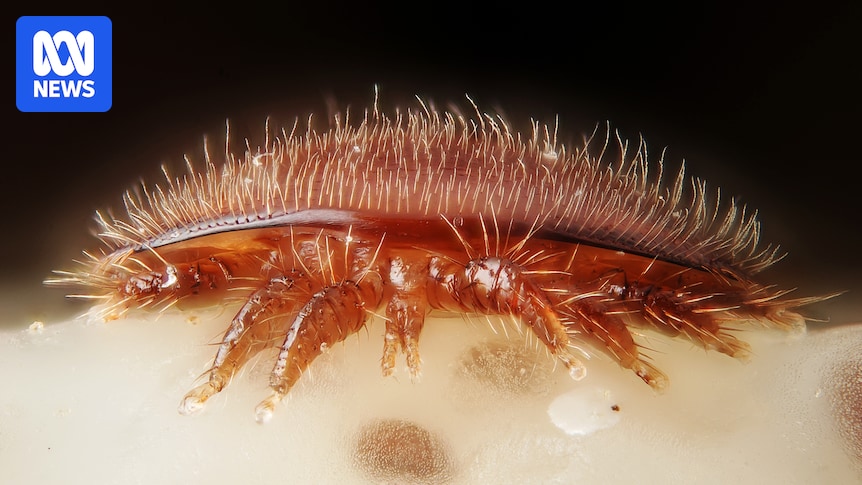
The deadly bee parasite varroa mite has been detected in South Australia for the second time.
Department of Primary Industries and Regions (PIRSA) says a beekeeper discovered the mite during a routine inspection of their hives at Salt Creek, in the Coorong region in the state’s south-east.
Varroa mite was first found in South Australia in September, at Pooginook, in the Riverland, about 300 kilometres north of the new find.
Varroa mites can kill honey bee colonies and transmit numerous viruses to their hosts.
They mainly feed and reproduce on honey bee larvae and pupae (bees transitioning between larvae and adults), leading to malformations.
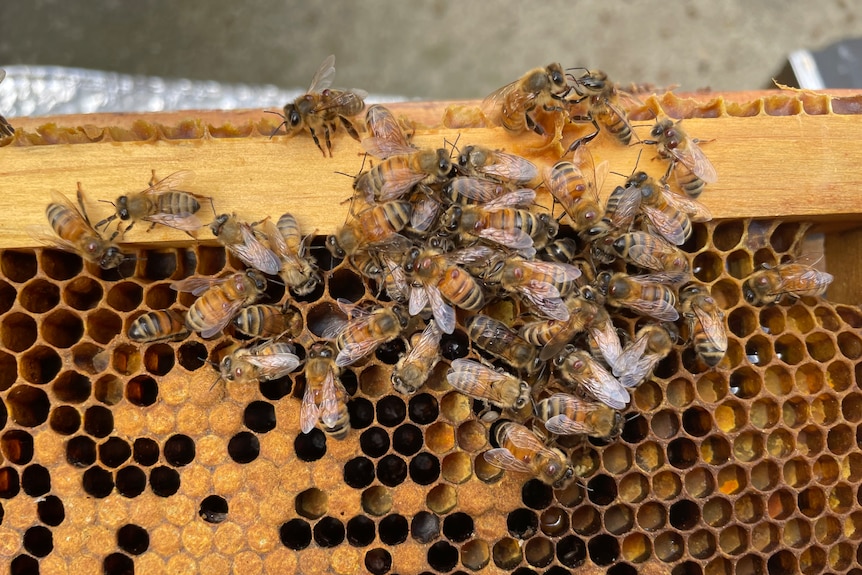
Authorities said another detection was inevitable after the first discovery in the state earlier this year. (Supplied: Australian Honey Bee Industry Council)
PIRSA says the beekeeper at Salt Creek is working with the department to check linked sites and carry out more sampling to determine the extent of the incursion.
The department is working to establish whether other hives near the site have been affected.
“A source for this incursion is not known at this stage,” it said in a statement.
‘Matter of time’
In a statement issued today SA Chief Veterinary Officer Skye Fruean said it was “a matter of time before varroa mite was once again detected in South Australia”.
“Since the national decision to transition to management, we are now focused on managing varroa in a way that minimises its impact, while ensuring business continuity for our agriculture and horticulture sectors,” she said.
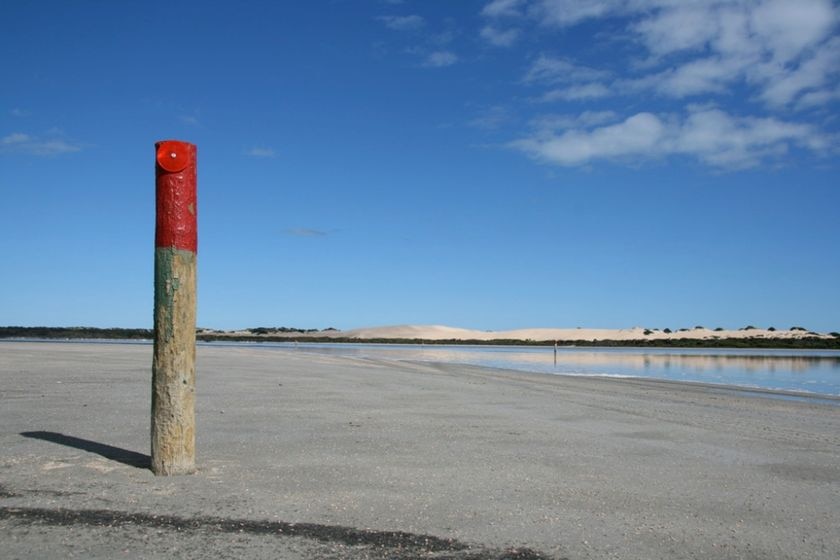
Salt Creek is on the Coorong, where the River Murray meets the sea. (Supplied: Alex Schrader)
The infested hive in the Riverland was part of a consignment from Queensland brought in for almond pollination and was not sourced from an area of a known outbreak.
The affected hives have been moved back interstate.
Varroa mite was first detected in Australia in New South Wales in 2022, and has since been found in Victoria, the ACT and Queensland.
‘Huge impact’ on agriculture
Salt Creek is on the Coorong, about 200 kilometres south-east of Adelaide.
Unlike the Riverland, the area is not known for fruit or nut growing, but instead for cattle and sheep grazing.
Steve Alexander produces honey at Meningie, just north of the Coorong.
What impact will varroa mite have in SA?
He said the find would lead to more work for beekeepers already going through a bad drought.
“For the whole bee industry, it’s huge,” Mr Alexander said.
“There’s a lot of people out there.
“It’s going to have a huge impact on agriculture in South Australia, there’s no doubt about that.”
Beekeepers in the area have been given sticky mats that are used to find mites within hives, along with a poison known as acaricide.
Mr Alexander said he would try to use organic products first.
“It’s been a bad afternoon, to be truthful with you,” he said.