

Starting this week, Snapchat will ask many users to verify their age to continue accessing Snapchat. These users will see a ‘Verify Your Age’ prompt when they open Snapchat.
Later this year, the Australian government is implementing a new law, the ‘Social Media Minimum Age Act,’ which restricts usage of platforms that they deem to be social media, to those 16 years of age or older. The Australian government classified Snapchat as an age-restricted social media platform late last year.
As a result of this new law, from December 10 2025, all users in Australia under 16 years of age will have their accounts locked.
Users who are under 16 will not be able to maintain or create a Snapchat account. If they have an existing Snapchat account, Snapchat encourages them to download their data as soon as possible.
Users will be given three years to download their data from the time their account is locked. Snapchat also suggests under-16 users cancel any subscriptions to Snapchat+ or Memories+.
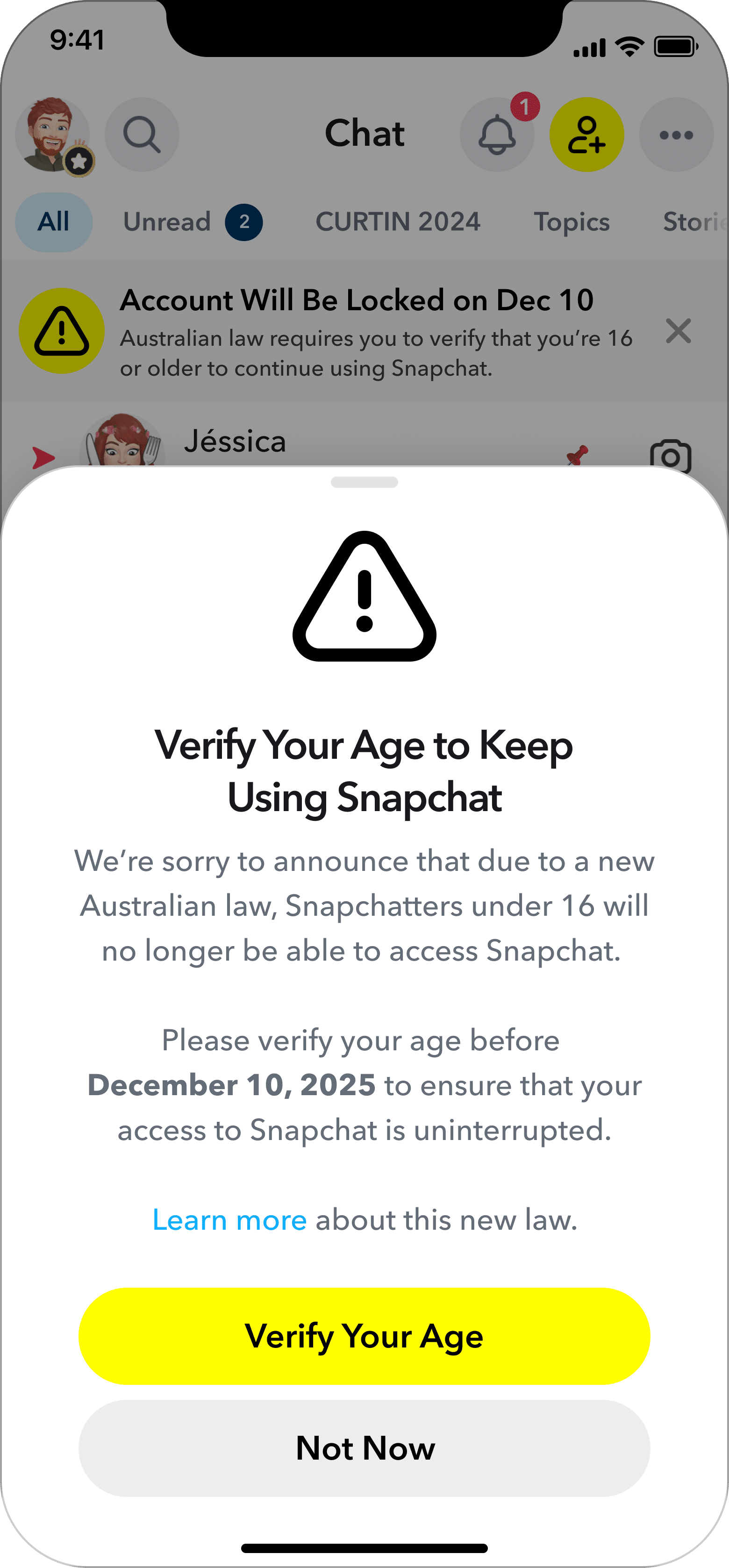
After their account is locked, it will be preserved in a locked state for three years. After that, it will become deactivated. However, if users turn 16 at any time during the three year period, they can verify their age to reinstate their account.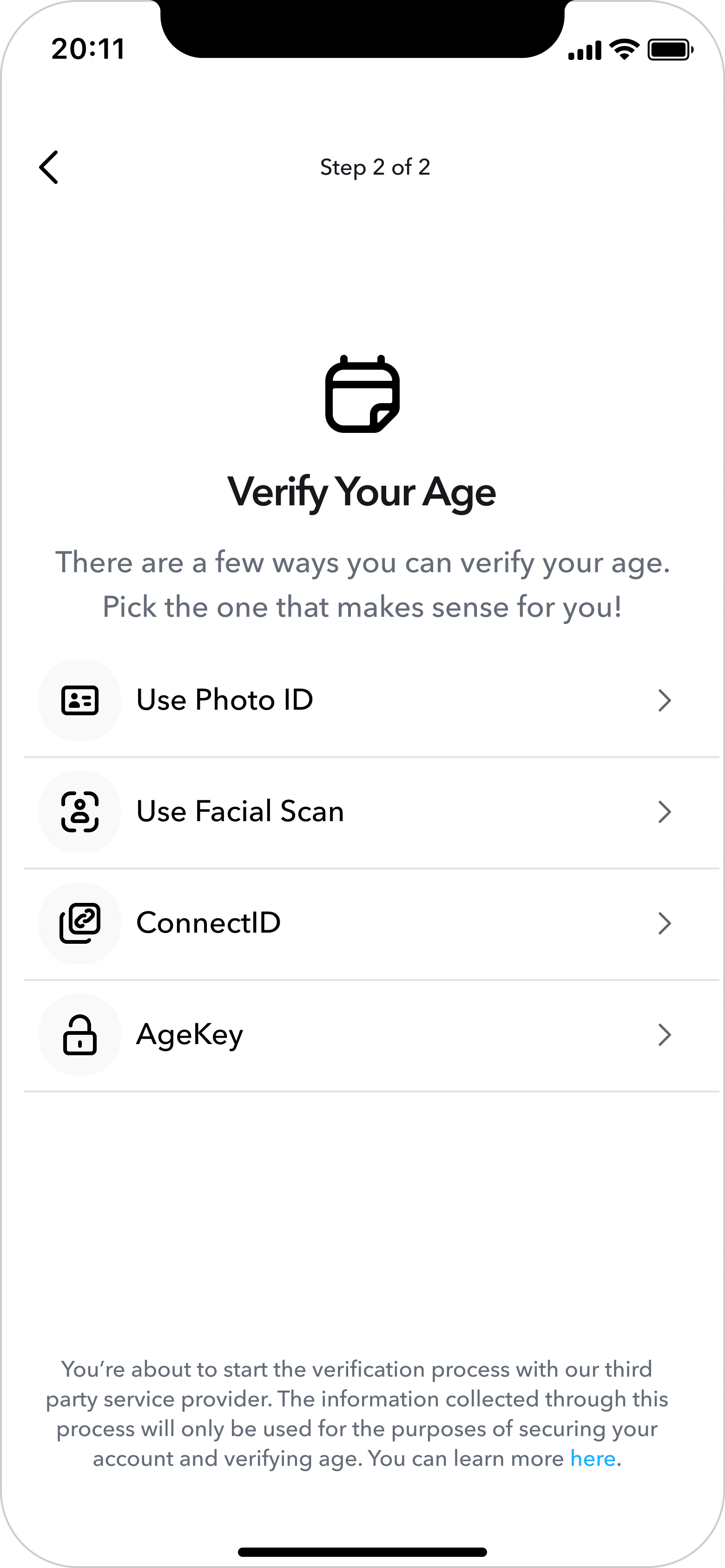
Starting this week, many users will be asked to verify their age to continue accessing Snapchat. There are a few ways users can verify their age, from ConnectID to a photo ID.
Users can verify their age through a connection with their Australian bank account. They can scan a government-issued identification card and Snapchat’s third-party service provider, k-ID, will scan and validate the ID document and age. The documents users submit will only be used to verify their age. These documents include passport, drivers licence or any other state issued ID.
Users can take a selfie and Snapchat’s facial age estimation technology k-ID will estimate an age range.
Snap will only collect a “yes/no” result on whether someone is above the minimum age threshold (e.g., 16). The company says it will not receive facial scans, bank account details, or any other personal information users provide during the age verification process.
“Disconnecting teens from their friends and family doesn’t make them safer — it may push them to less safe, less private messaging apps. We continue to advocate for more privacy-conscious solutions, such as mandating age verification at the device, operating system, or app store level,” a Snapchat spokesperson said.
Join more than 30,000 advertising industry experts
Get all the latest advertising and media news direct to your inbox from B&T.
Subscribe