
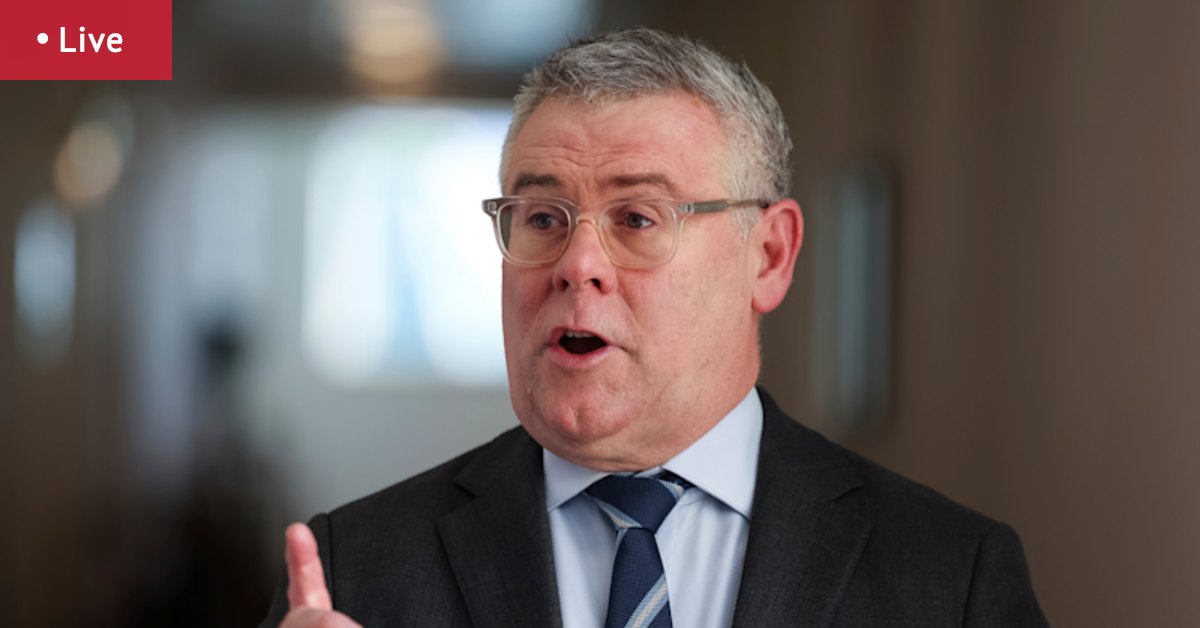
The final hours of the COP climate talks that finally ended a day late in Brazil on Saturday were even more brutal than usual, foreshadowing a tough year ahead for Australian Climate Change and Energy Minster Chris Bowen, who will preside over next year’s talks in Turkey.
Things got particularly ugly when Russian diplomats turned their guns on a handful of Latin American countries, which in turn had delayed proceedings with a series of objections to the way the Brazilian COP president André Corrêa do Lago was managing the contentious negotiation over adaptation plans.
“Don’t behave like children who want to get their hands on all the sweets and stuff them down their throats,” said a Russian diplomat to his American colleagues on the floor of the plenary session at one point, before demanding that they behave more cordially. India chimed in to agree.
As the dispute went on the session was stalled. The talks came close to collapsing entirely, says one observer.
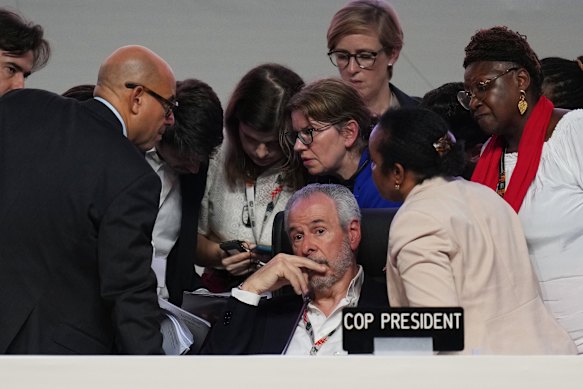
André Corrêa do Lago, COP30 president, sits as Simon Stiell, UN climate chief (left) speaks with other UN officials during a plenary session at the COP30 meeting.Credit: AP
Tempers are often frayed in the final hours of COP talks, and each year the gathering of nations signed up to the United Nations climate treaty get tougher, in part because the climate situation is becoming more dire, in part because the talks are now more focused on concrete and immediate action rather than the declarations of future good intention.
Enter Chris Bowen, who in the past week lost the right to host next year’s talks in Australia, but negotiated a new role for himself – president of negotiations – to preside over next year’s talks, to be hosted by Turkey.
Economist and climate commentator Nicki Hutley, who was in Belem and is a veteran of several COPs, says the new role Bowen has carved out for himself could be particularly difficult. “It could be the worst of both worlds,” Hutley said. “If he succeeds Turkey gets the benefit; if he fails Australia gets the blame.”
Read our National Environment and Climate Editor Nick O’Malley’s full analysis.