
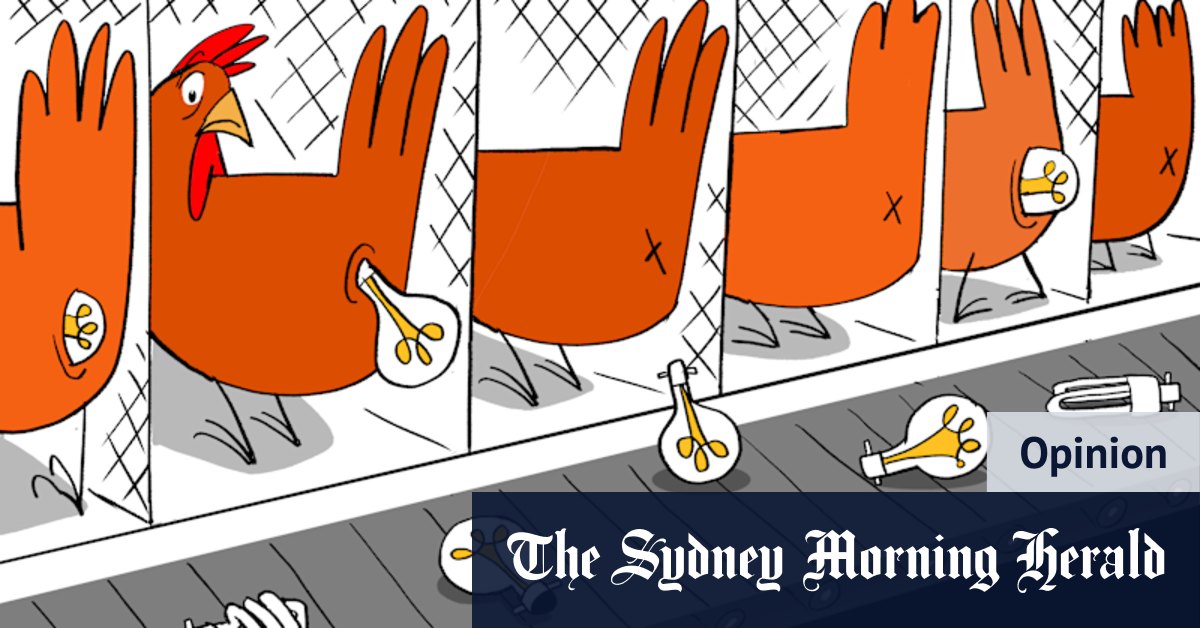
It’s this huge improvement in our productiveness that’s given us a standard of living many times better than it was 200 years ago. Our homes, our health, our food, our entertainments and our possessions are far better than they were.
Loading
What’s worrying the great and the good is that this process of small annual improvement in our living standards seems to have stalled about a decade ago. They don’t actually know why it’s stalled, or whether the stoppage is temporary or permanent.
But the people at the top of our economy are worried by the thought that, unless we do something, our standard of living may never go any higher. This thought appals them, and they assume it appals us just as much. We’ve got used to ever-rising living standards, and for this to stop would be disastrous.
Well, maybe, maybe not. What no one seems to have observed is that this is a completely materialist view of how our lives could be better. Better goods, better services and a lot more of both.
My guess is that, for the managerial class, more money to buy bigger and better stuff is what they most want. But I’m not sure if that’s what the rest of us want – especially after we’d given some thought to the alternatives.
If an ever-higher material living standard came free of charge, of course we’d all want it. But if it came at a cost – as it’s likely to – we’d have to think harder about the price and what we’d have to give up to pay it.
When the big business lobby groups argue that our productivity has stopped improving because their taxes are too high and the Labor government has introduced too many regulations controlling how they pay and treat their workers, sometimes I think what they’re saying is: we could make you so much richer if only you’d let us make your working lives a misery.
In a recent article for Project Syndicate, Dani Rodrik, a Harvard economist, argues that most working people probably want a good job more than higher pay. “When people are asked about wellbeing and life satisfaction, the work they do ranks at the top, along with contributions to their community and family bonds,” he says.
This is something economists keep forgetting. In their simple theory, work is a pain. And the only reason you do it is to get money to buy the stuff you want. The bad bit is work; the good bit is consumption.
In truth, most of us get much of our identity, self-worth and satisfaction from our jobs. Some people hate their jobs, of course, but that’s the point: they would be a lot happier if they could find a job they enjoyed.
Loading
Rodrik adds that jobs can be a source of pride, dignity and social recognition. It’s clear that Australians hugely value having a secure job. One where they don’t have to worry about where their next meal’s coming from. Where they know they’ll be able to keep up their mortgage payments. Where their job classification is permanent, not temporary.
Good pay is nice, but work is about a lot more than pay. Psychologists tell us that job satisfaction is helped by having a degree of autonomy in the way you do your job. A more obvious need is a boss who treats you fairly and with respect. No one wants to work for an idiot who thinks they should treat ’em mean to keep ’em keen.
I have no doubt that all workers want the pleasure of being loyal to their boss and their company. But they have to be receiving loyalty to give it back.
So here’s my radical thought: what if, instead of pursuing an ever-higher material living standard, governments focused on improving Australian workers’ job satisfaction? Would that be better or worse? A good way to lose votes? I doubt it.
It could even be that a more satisfied workforce was more productive.
Ross Gittins is the economics editor.
Get a weekly wrap of views that will challenge, champion and inform your own. Sign up for our Opinion newsletter.