
Competition
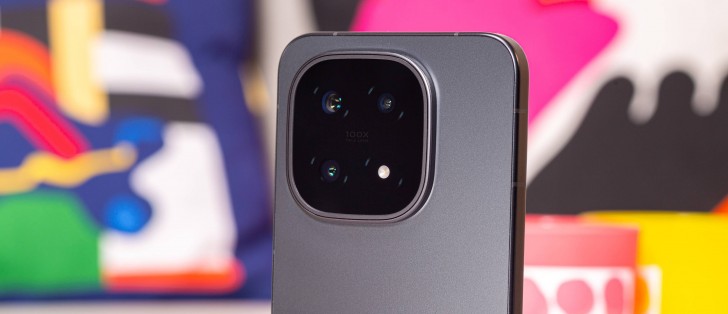
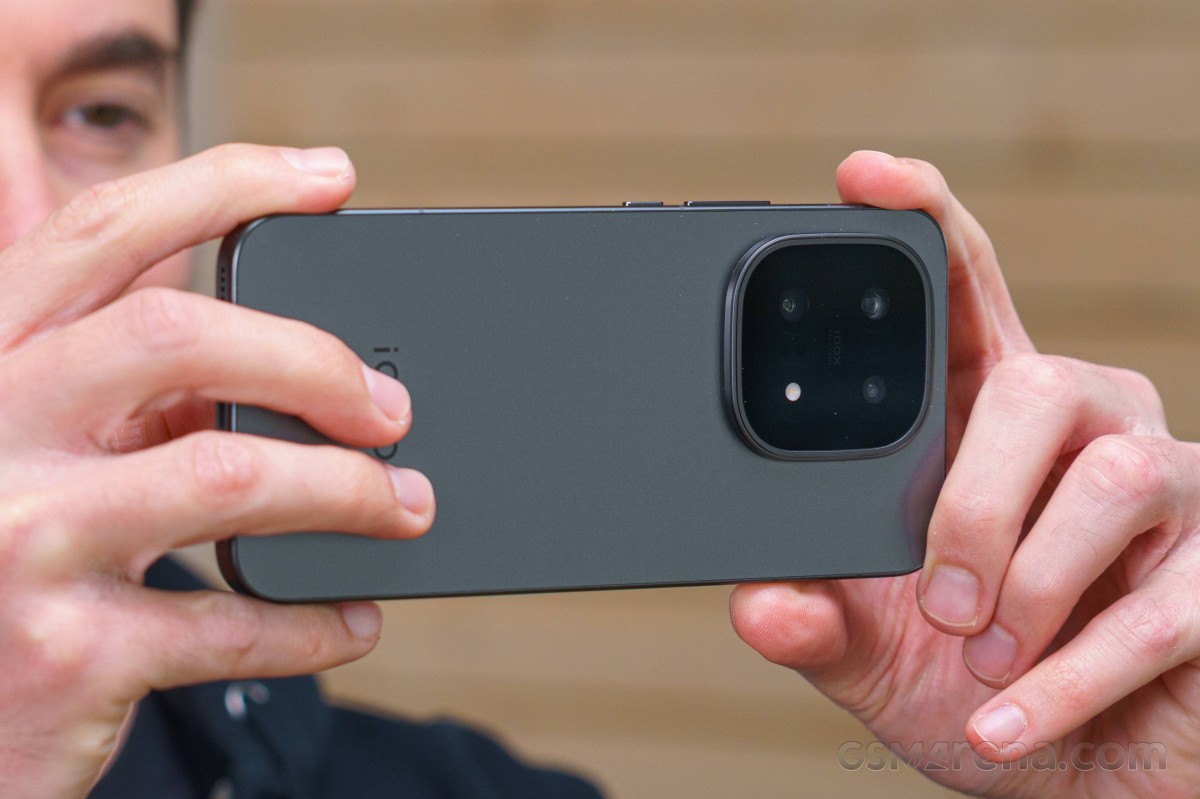
Last year’s iQOO 13 was an excellent all-rounder, and this year’s iQOO 15 builds on that foundation. iQOO’s new top-end model feels like a true flagship. It has its downsides, but they are few and far between. The most notable limitation is its availability. Much like the iQOO 13, the 15 will likely be limited to select Asian markets, including India, where it will face some strong competition.
The sizeable price hike this year doesn’t help its case. The iQOO 15’s base 12GB/256GB variant now starts at INR 73,000, whereas last year’s model launched at INR 55,000 and immediately stood out as a great deal. The new price tier puts the iQOO 15 in a tricky spot, where it has to go up against established, full-fledged flagship devices.
The Xiaomi Poco F8 Ultra is a strong direct rival, as it comes in at a similar price and uses the same Snapdragon 8 Elite Gen 5 SoC. If battery life is a priority and you tend to play a lot of games, the iQOO 15 is the better pick. It also offers a more refined camera experience overall, although its telephoto reach is more limited compared to the F8 Ultra. On the other hand, the Poco F8 Ultra’s faster charging may be more appealing to some users, and Xiaomi’s HyperOS could be a preferred software experience.


Xiaomi Poco F8 Ultra • Realme GT 8 Pro • OnePlus 15
The Realme GT 8 Pro and the OnePlus 15 are both priced around the INR 73,000 mark right now, each offering its own set of strengths. Even so, the iQOO 15 isn’t far behind in most key areas. Its battery capacity is lower on paper, but real-world endurance is comparable. Camera quality is also very close to what the Realme and OnePlus deliver, and in some cases, the iQOO 15 may even pull ahead. The only notable gap between the iQOO and its two rivals is charging speed, where the iQOO 15 lags slightly behind.




vivo X300 • vivo X300 Pro • Oppo Find X9 • Oppo Find X9 Pro
The three phones deliver a very similar overall user experience, so choosing between them won’t be easy. If gaming is your priority, the OnePlus 15 is the more suitable option, and it also performs slightly better in our battery tests. If you are mainly after camera performance, the iQOO 15 may be the wiser choice.
If the iQOO 15’s camera quality leaves you wanting, you will need to spend considerably more for a true cameraphone. The Dimensity 9500-powered Oppo Find X9 Pro and the vivo X300 Pro are both strong options if you don’t mind the higher price. The vanilla Find X9 and the vivo X300 are closer in price, but keep in mind that both are smaller phones.
Verdict
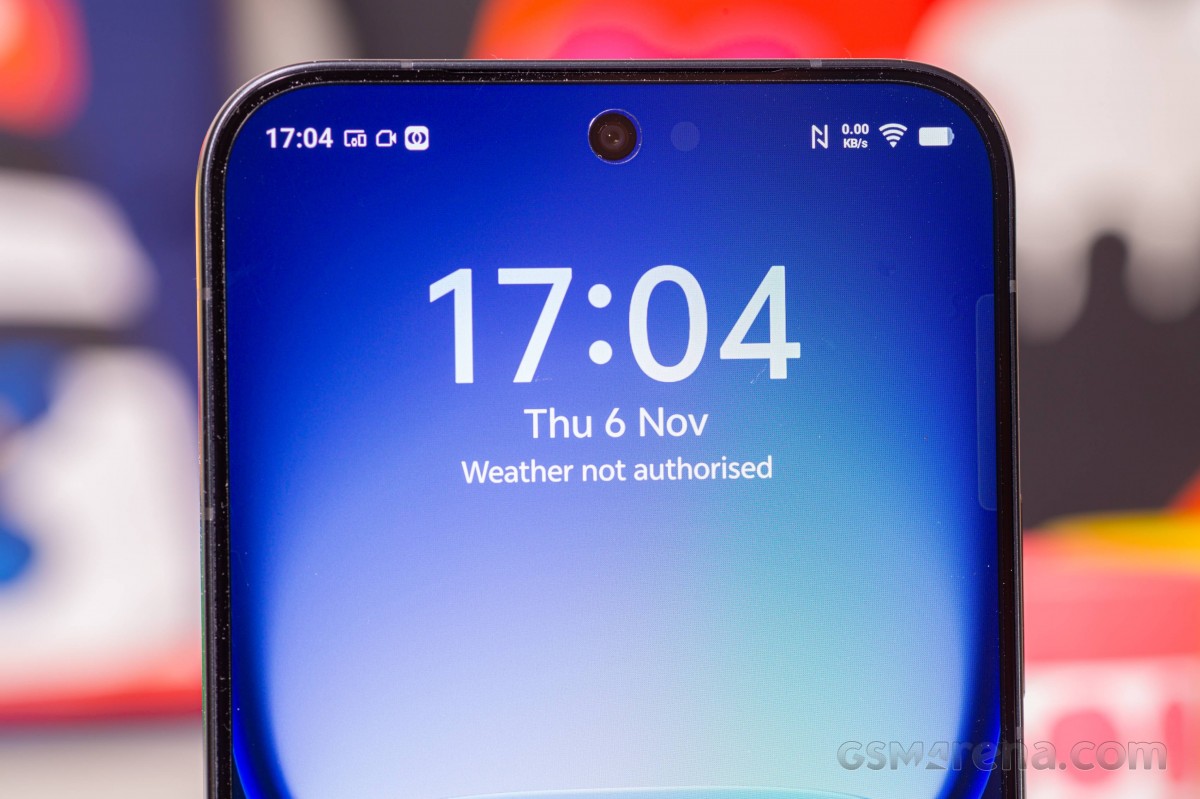
iQOO’s top-end offering is once again an excellent all-rounder, striking a solid balance between price, hardware and features. That still holds true even with the massive price hike taken into account. Sure, we could justify the price increase given the hardware upgrades, but it is higher than expected. As a result, the iQOO 15 now has to go up against flagships from more established brands, and that will be a challenge.
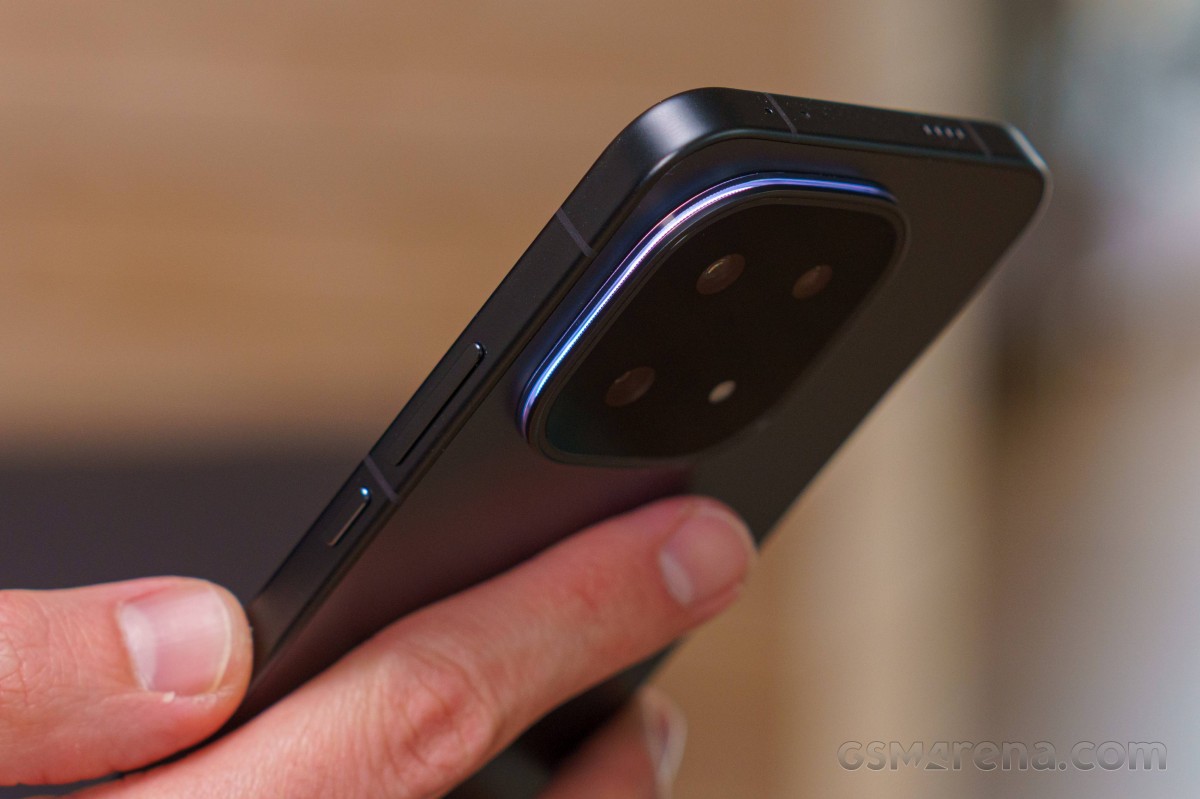
It may not be the most impressive cameraphone, mainly due to its ultrawide and selfie shooters, and charging speed is not among the fastest, but it still comes remarkably close to far more expensive flagships. The display is bright and smooth, battery life is excellent, and it is one of the few Snapdragon 8 Elite Gen 5 phones that make use of several handy gaming features.
So is it worth getting? Yes. Even at its launch price, the iQOO 15 is very easy to recommend. It is just a shame that its market availability remains limited to a select few countries.
Pros
Clean design and solid build, with high ingress protection (IP68/IP69).
Exceptionally bright display with full HDR video certifications.
Excellent battery life across all scenarios.
Strong performance from the main and telephoto cameras.
IR blaster, ultrasonic fingerprint reader, and a useful rear LED.
5 major Android upgrades and 7 years of security updates.
Cons
Underwhelming speakers.
Sustained performance is weaker than last year.
The telephoto camera can’t focus close.
The ultrawide and selfie cameras could be sharper.
The 144Hz refresh rate has very limited use cases.
Significant price increase over the previous model.