
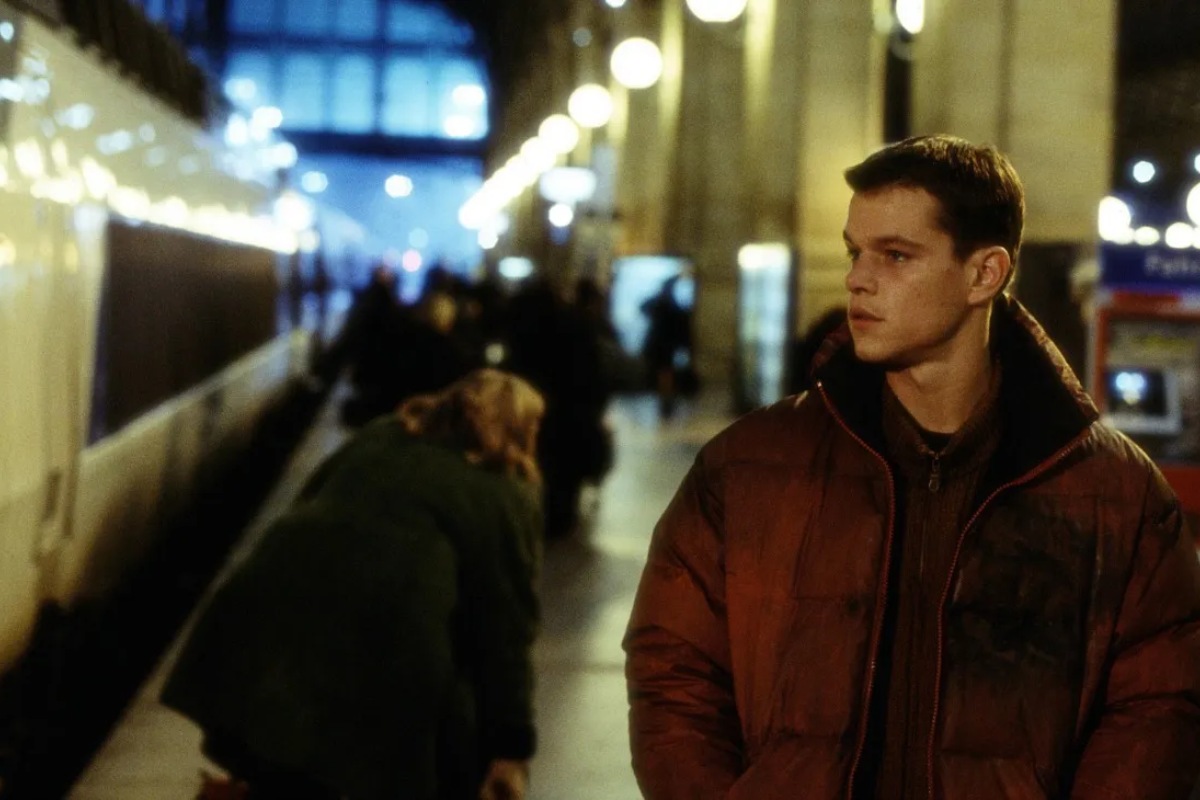
Think you know what a spy movie looks like? The franchise that forced Hollywood to tear up the rulebook is landing on Netflix, and its bruises still show.
Netflix is hosting the full Jason Bourne run, the bruised-knuckle saga that turned the spy thriller inside out. Born from Robert Ludlum’s pages, brought to life by Doug Liman and Paul Greengrass, and fronted by Matt Damon, it traded gadget gloss for moral fog and adrenaline that rattled the frame. Post 9/11 anxieties hum beneath every foot chase, reshaping how American action grappled with surveillance, war and accountability. Even James Bond took note, pivoting from invisible cars to cracked veneers once Bourne rewrote the playbook.
The return of a spy icon to Netflix
Twenty-three years after its big-screen debut, the explosive saga of Jason Bourne is back in the spotlight. The entire series is now streaming on Netflix, a timely reminder of how this narrative helped redefine American action cinema. Rooted in gritty realism, these films broke with the glossy, stylized thrillers that once dominated the genre.
From book pages to cinematic revolution
The roots of Jason Bourne go back to 1980, when Robert Ludlum introduced a very different kind of spy. Far from the suave, martini-sipping archetype, Bourne is haunted by his past and adrift in his present. Flawed and enigmatic, he stripped away the sheen of high-glamour espionage and opened the door to a story that felt uncomfortably close to real life.
The first film arrived in 2002 with The Bourne Identity, directed by Doug Liman. Audiences were immediately drawn to a raw, stripped-back vision of the spy world, anchored by Matt Damon’s compelling performance. Paul Greengrass elevated the series with sequels The Bourne Supremacy (2004), The Bourne Ultimatum (2007), and Jason Bourne (2016), cementing its place in modern action cinema.
A changing world, a new kind of spy
The early 2000s marked a watershed for action films, shaped by the seismic shift in global consciousness after post-9/11 events. Enter Jason Bourne. The series captured a world steeped in distrust, pervasive surveillance, and geopolitical fallout, standing in sharp contrast to Die Another Day, Pierce Brosnan’s final Bond entry that favored flashy gadgetry and fantasy.
Even James Bond eventually absorbed the Bourne influence. With Daniel Craig’s arrival in Casino Royale (2006), the spy genre embraced a new blueprint: gritty, physical, and emotionally charged. Paul Greengrass’s signature handheld intensity amplified the immediacy, plunging viewers into the chaos of Bourne’s reality.
Setting a new standard for action cinema
What set the Jason Bourne series apart was its fusion of kinetic spectacle with provocation. The films confronted hard questions about war crimes, terrorism, and the ethics of government surveillance. This was more than action cinema; it was a mirror held up to a world on edge.
The franchise also established a new baseline for realism in action. From Bourne’s improvisational use of a magazine as a weapon to thunderous car chases through dense European streets, the choreography felt both thrilling and plausible. Filmmakers worldwide took note, and espionage cinema would never be viewed the same way again.
History, politics, and the power of cinema
Jason Bourne doubles as a time capsule of the early 2000s, distilling the anxieties and debates of a post-9/11 era. It shows how cinema can refract the culture and moment from which it springs, now accessible at a click for new audiences on Netflix.
Whether you are revisiting the saga or discovering its legacy for the first time, one fact endures: Jason Bourne still has a lot left to say.