
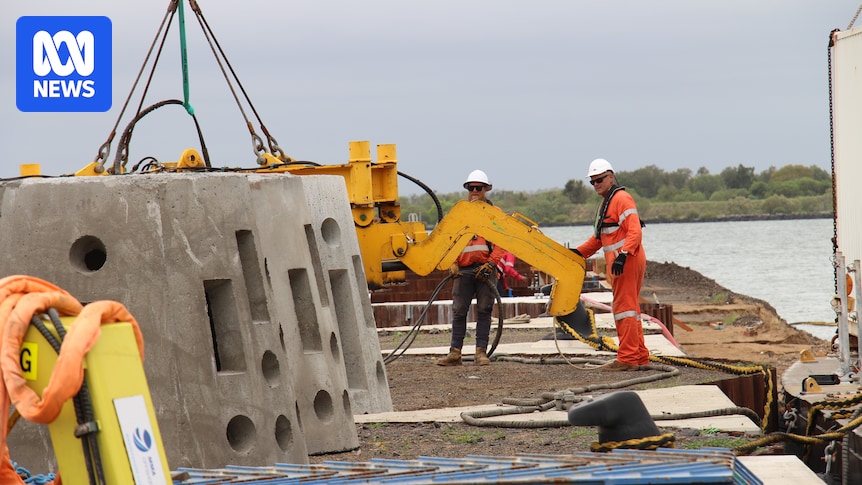
Claims new artificial reefs being installed in a protected marine park could damage a vulnerable natural coral reef have been disputed by Queensland’s environment minister.
Two reefs will be installed in the Great Sandy Marine Park, a protected marine and coastal area extending from K’gari (formerly known as Fraser Island) to Baffle Creek north of Bundaberg.
One reef will be installed in Hervey Bay, the world’s first whale heritage site, with another to be installed around 40 kilometres north, between Elliot Heads and Woodgate Beach.
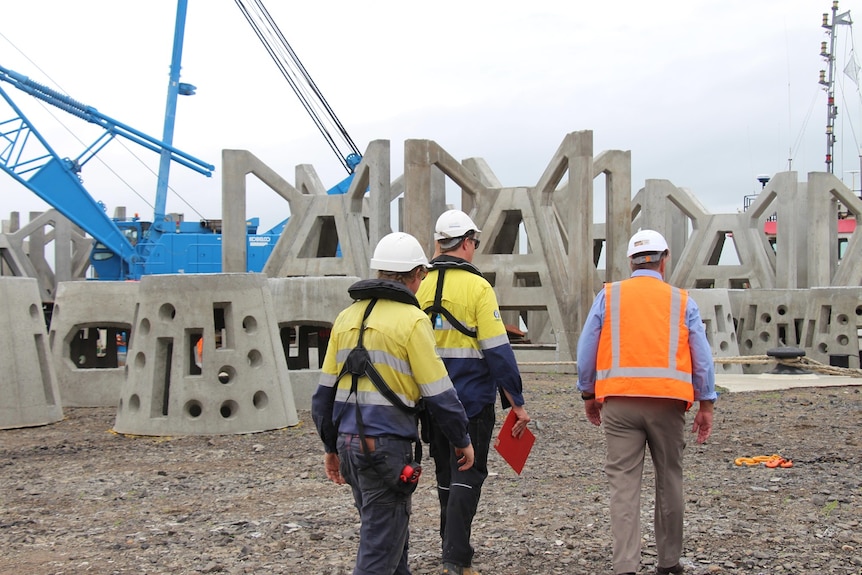
The artificial reef structures are designed to provide habitats for fish and coral. (ABC Wide Bay: Grace Whiteside)
The Hervey Bay reef will be made using 88 steel-reinforced concrete cylinders with various-sized holes, and has been designed to be used by fish as habitat.
The reef between Elliot Heads and Woodgate Beach will be made with 15 concrete pyramids, with wings to draw nutrient-rich water from the seabed.
The pyramid structure is designed to attract species popular for recreational fishing, including Spanish mackerel.
The reefs will be made and installed by marine construction firm Cyan Renewables.
In August, the company delivered an artificial reef off the coast of Carnarvon in Western Australia using the pyramid structures, as part of a project backed by investment from recreational fishers.
In 2024, Cyan Renewables built a reef in New Zealand’s Wellington Harbour.
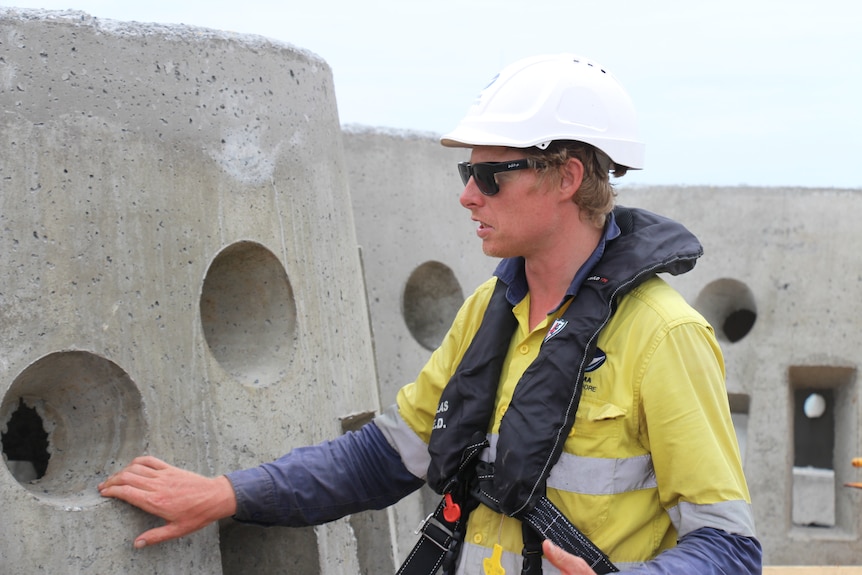
Cyan Renewables project engineer Jordan Chapman said he had seen first-hand the success of the reef pyramids. (ABC News: Grace Whiteside)
Project engineer Jordan Chapman said he had seen first-hand the success of reef pyramids installed off the coast of Perth in generating new coral reefs.
“We could look up and see all the coral growth spawning over the inside [of the pyramid] and that was a really cool experience,” he said.
“You can definitely see the attraction of fish [to] those reef pyramids compared to surrounding sandy areas where there is no habitat and no fish life at all.”
Mr Chapman said the concrete structures would break down after 30 or 40 years, leaving behind natural coral reefs, but there was “no environmental concern” from the concrete dust.
“It’s made from calcium carbonate, so that poses no risk to the environment,” he said.
A 2023 study by the Ocean Earth Foundation found there had been little research into the environmental impact of concrete artificial reefs, but that concrete had a lower impact than plastic materials, which generated microplastic particles.
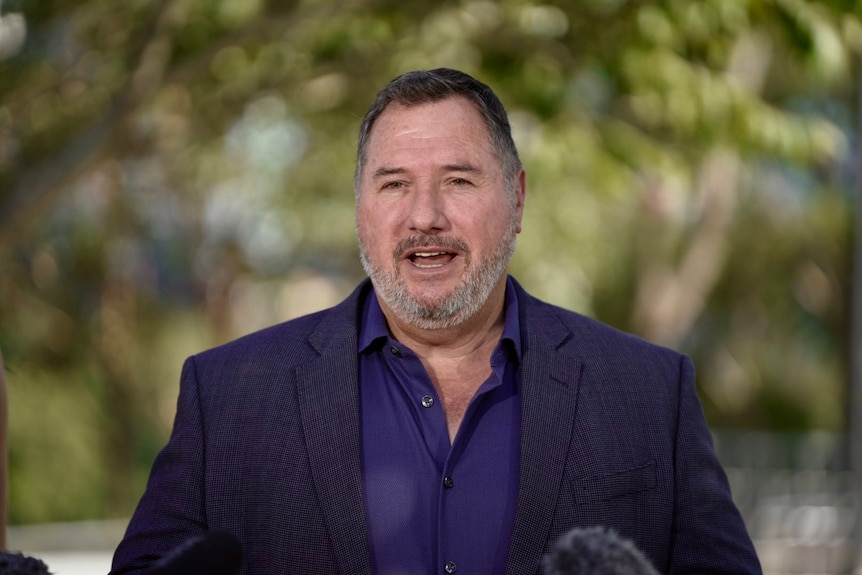
Andrew Powell says the artificial reefs will relieve pressure from the natural coral reef and benefit the tourism sector. (ABC News: Lucas Hill)
Queensland Environment Minister Andrew Powell said the $2.5 million project would bring benefits both to the environment and the tourism sector.
“They create new habitat for fish to breed, to feed and linger around, which, from a tourism perspective, then creates an awesome opportunity for divers,” he said.Calls for reef protections
The reef planned for Hervey Bay will be located offshore, about 1 kilometre from a natural coral reef on the shoreline of Point Vernon, on the western coast of the bay.
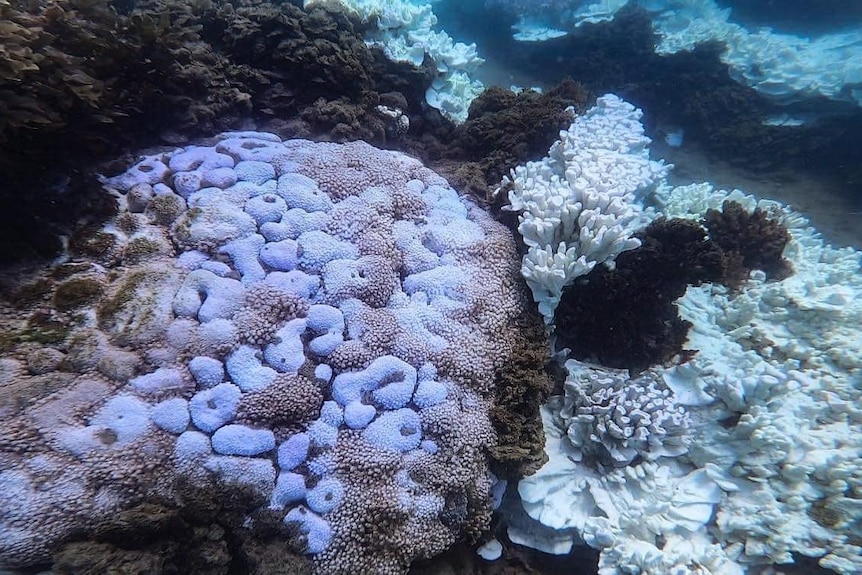
The Point Vernon coral reef sustained a bleaching event in 2024. (Supplied: Hervey Bay CoralWatch)
In 2023, the Great Barrier Reef Maine Park Authority (GBRMPA) introduced a policy banning artificial reefs from the park.
Research conducted by GBRMPA to support the policy found artificial reefs had a high risk of attracting fish away from natural coral reefs.
It also found that by concentrating fish species in a small area, artificial reefs put them at risk of overfishing.
However, the study also highlighted some benefits of artificial reefs, including enhanced biodiversity, public awareness and ecotourism opportunities.
CoralWatch is a citizen science program based at the University of Queensland focused on conserving coral reefs.
The ambassador for the Hervey Bay chapter of CoralWatch, Brea Mitchell, said fishing should be banned at the Point Vernon coral reef to offset adverse impacts from the new artificial reef.
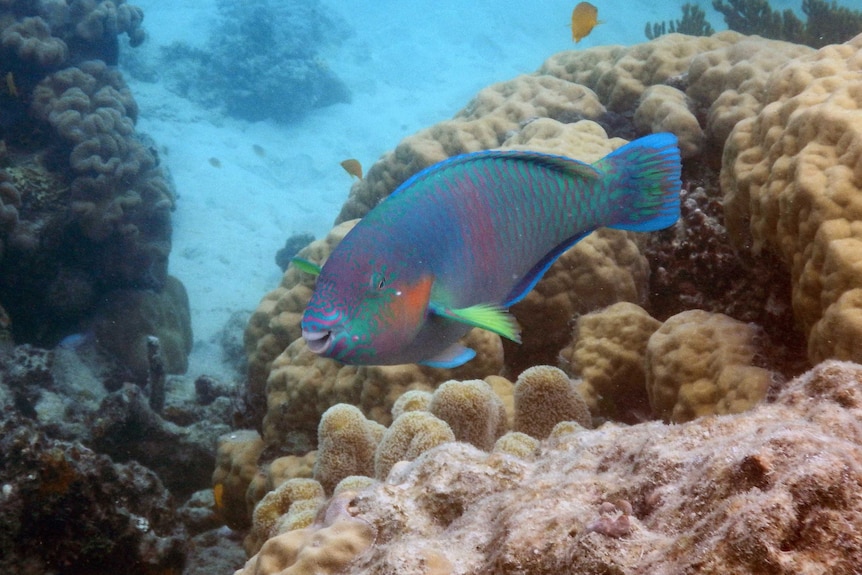
Parrotfish help bleached coral to heal by scraping microalgae and cyanobacteria from the surface of the coral. (Supplied: Sterling Tebbett)
Ms Mitchell said parrotfish, in particular, should be protected due to their ability to help reefs recover from coral bleaching, a role the fish played during a bleaching episode in Hervey Bay in 2024.
A 2019 study by The Australian Institute of Marine Science found parrotfish were “a vital link in the reef ecosystem” because they scraped microorganisms off damaged coral.
“It is wise that, as these structures are so close to our local reefs that have been impacted by recent coral bleaching and flooding events, that the government can look at making the Point Vernon reefs a green zone, ensuring that these reefs can thrive and … parrotfish are protected,” Ms Mitchell said.
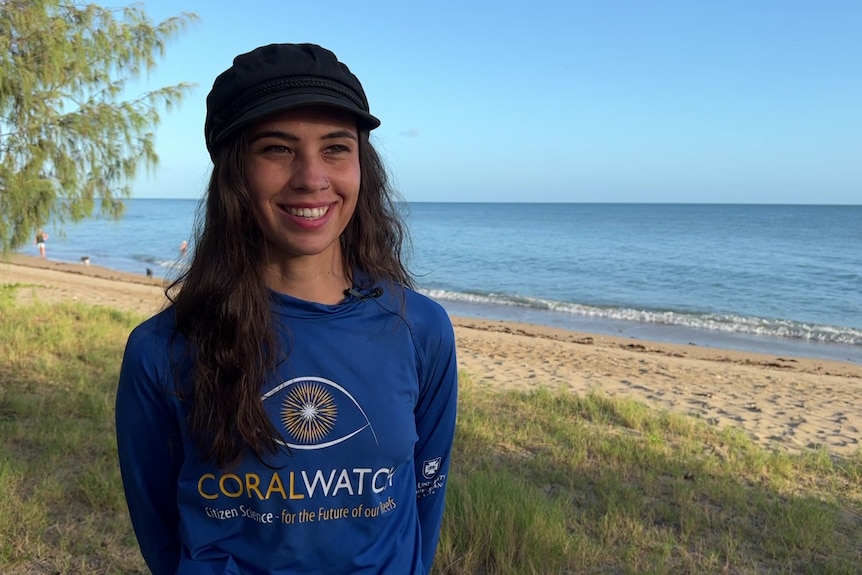
Breannah Mitchell has called for improved protections for the Point Vernon reef. (ABC News: Lucy Loram)
Mr Powell said he was open to the proposal, but claimed artificial reefs would “relieve the pressure” on the natural coral reefs by giving recreational fishers an alternative fishing location.
“One of the reasons we are putting these artificial reefs in is to assist our recreational fishers … in an area where we know it’s safe to do,” he said.
“I’m happy for this group to put forward that concept, but … this is about getting the balance right between environment and tourism, and artificial reefs play an important part in that.”