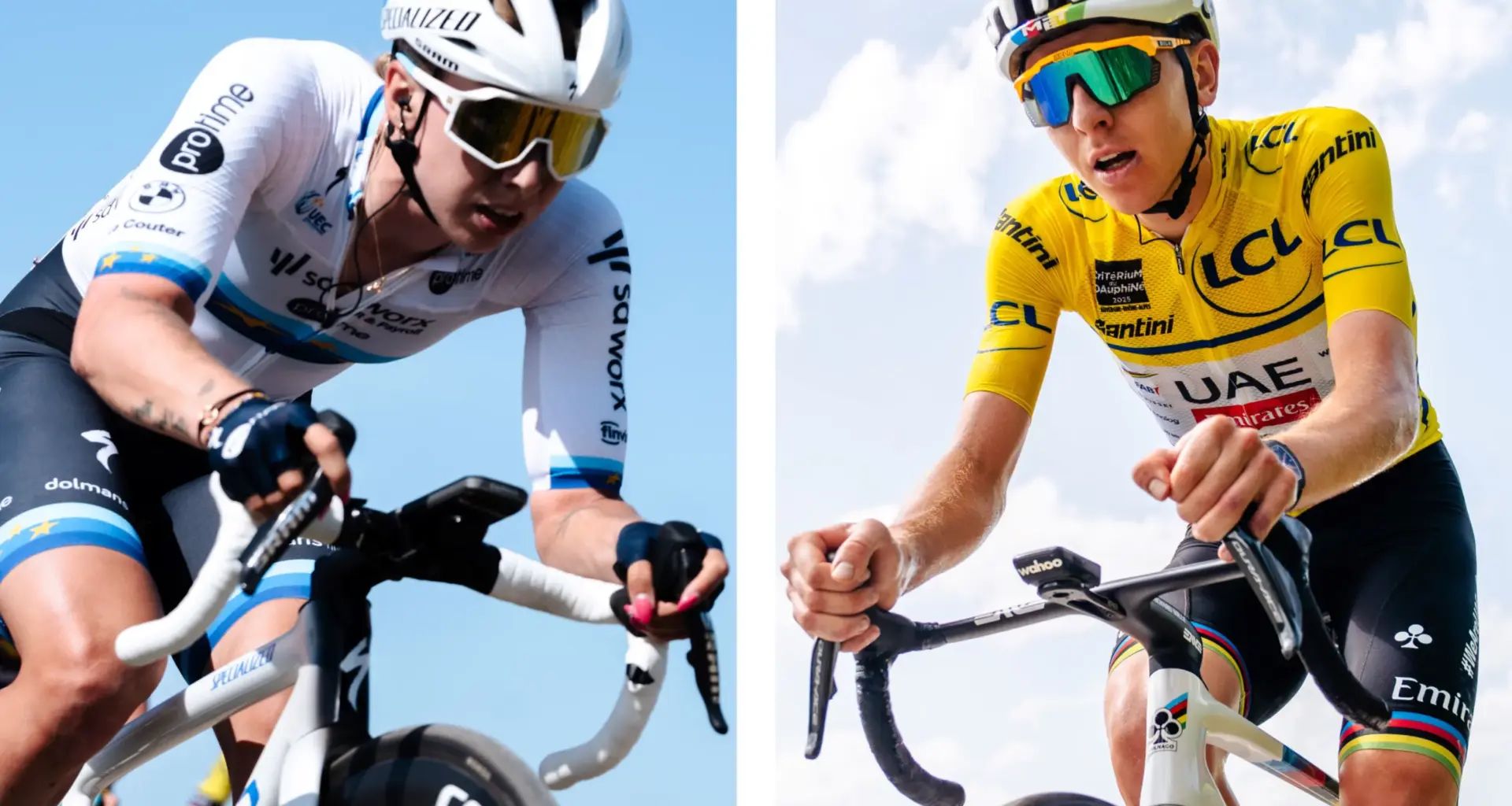
It’s been well over a month now since the final pedal strokes were made in both the men’s and women’s WorldTours.
That period has given me some time to reflect on what has been another men’s season dominated by a certain gaggle of stars, chiefly Tadej Pogačar, Jonas Vingegaard and Mathieu van der Poel, who between them gobbled up most of the Classics and Grand Tours. As for the women, the 2025 season brought more dominance for Lorena Wiebes in the sprints, while Demi Vollering flew the nest at FDJ-Suez and Pauline Ferrand-Prévot claimed a historic Roubaix-Tour double on her grand return to the road.
While the season has kept bums on seats at least, it hasn’t been perfect. Feedback is a blessing, or so I have been told. So, we’ve put together a list of pointers for the UCI, race organisers and riders to improve the sport in 2026.
Related questions you can explore with Ask Cyclist, our AI search engine. If you would like to ask your own question you just need to , or subscribe.
Lorena Wiebes’ sprinting monopoly
 A.S.O./Pauline Ballet
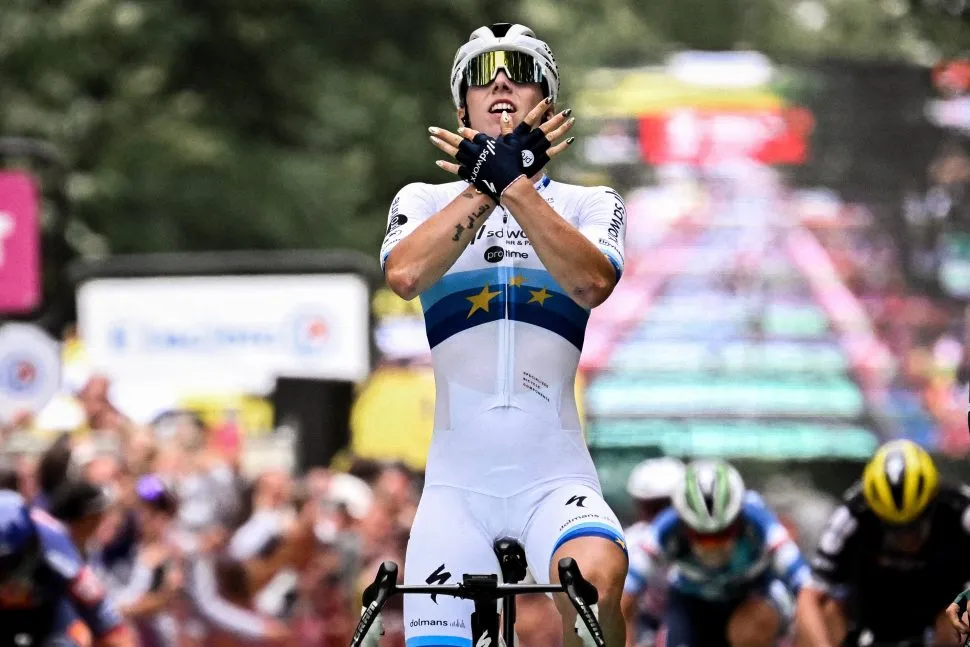
One sight we got used to very quickly in 2025 was that of Lorena Wiebes with her hands in the air.
The SD Worx sprinter won 43% of the races she started. If you isolate this to one-day races alone, Wiebes had a staggering 62% win rate in the Classics. In fact, she was unbeaten in bunch sprints across the board during 2025 – often winning by several bike lengths.
For that reason, I became rather bored of seeing Wiebes acting surprised when she would go on to win nearly every flat stage on the women’s calendar in 2025.
Rather frustratingly for fans, this hit rate has only increased as Wiebes improves with time. The former European champion demonstrated that by tuning her climbing legs in 2025, as proven by her first Monument victory at Milan-San Remo, and by contesting affairs on tougher surfaces, such as at Paris-Roubaix. Worryingly, she’s becoming more versatile, even without a prime Lotte Kopecky to support her. The Tour de France Femmes has tried to address this by minimising pancake profiles in the 2026 race. However, I fear this theme of Wiebes’ domination will arise once again next year.
For now, I’ll have my fingers crossed that Charlotte Kool finds her feet at Fenix-Deceuninck. God knows we need some excitement on those flat days.

The naughty list
 Red Bull-Bora-Hangrohe/Getty Sport
The naughty step was pretty warm this year – at least by post-pandemic standards.
For starters, 2025 was the first full season with the new yellow card system in place. A total of 271 bookings were made during the season, and the process led to the Alpecin-Deceuninck rider Oscar Riesebeek’s disqualification from the Baloise Belgium Tour in June. The most booked rider this year was Danny van Poppel, who, despite having four yellow cards to his name, wasn’t actually disqualified or suspended from any event because he spread his offences out across the calendar.
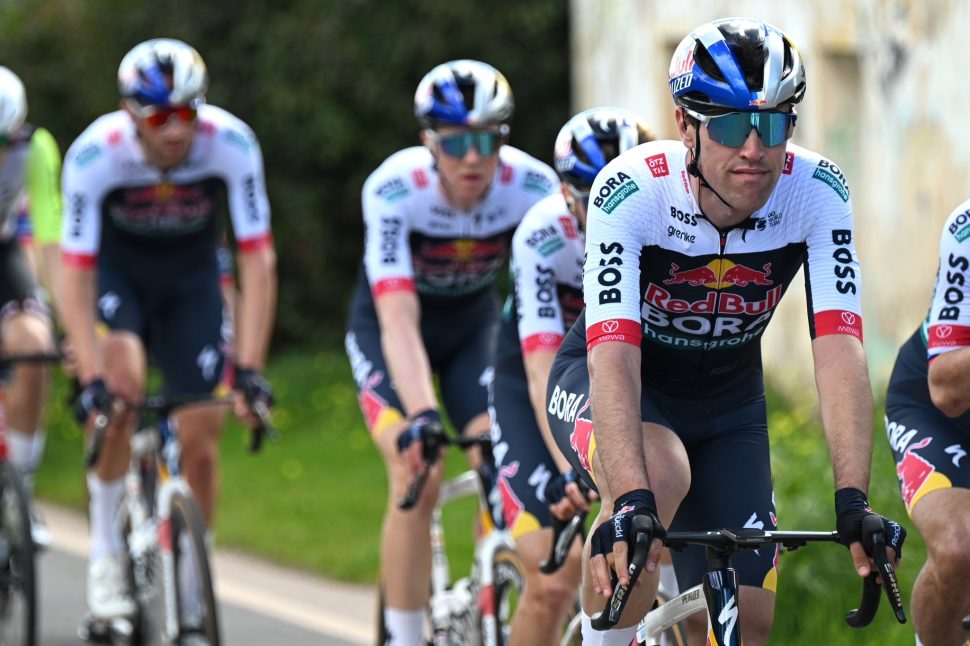
Most significantly, Oier Lazkano emerged from his season-long slumber to the sound of a UCI statement condemning his biological passport. This outlines abnormalities with his samples, reportedly from his time at Movistar, which could possibly lead to a ban if he is found guilty of taking outlawed substances. He’s already been kicked out of Red Bull-Bora-Hansgrohe, but an official punishment is yet to be declared.
Similarly, Italian pro Giovanni Carboni was flagged up for biopassport abnormalities in the autumn, once again dating back to 2024 during Carboni’s time in the Asian racing scene. As a result, the rider has been provisionally suspended from his Unibet Tietema Rockets squad as a result of the UCI’s measures. In a move that feels as much of a vintage call-back as it is irresponsible, Azerbaijani rider Artyom Proskuryakov was caught with Methamfetamine in his system after the UCI Road World Championships.
Elsewhere, 2025 saw the final decision on former French WorldTour rider Franck Bonnamour (for a similar misdemeanor to Lazkano) while former Movistar pro Vinícius Rangel received a provisional suspension over missing whereabouts.
Rules are rules, fellas. Let’s try not to increase the size of the sin bin too much in 2026, shall we?
A non-battle for the Tour title
 Xavier Pereyron
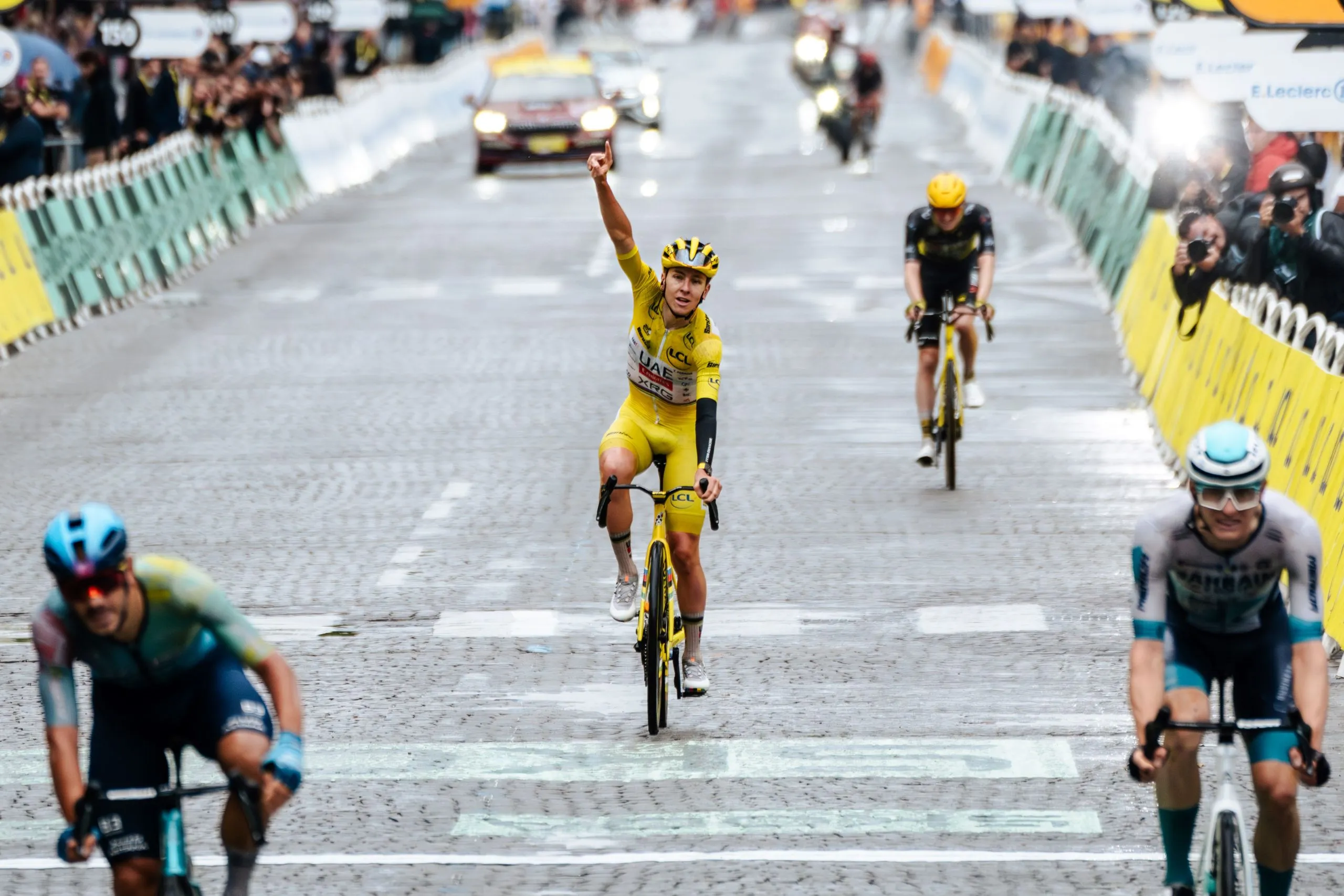
It’s starting to feel as though excitement in men’s pro cycling peaked in the early 2020s and is now falling down an increasingly familiar path of domination and predictability. The 2024 pro calendar was the first real sign of this, with Pogačar’s ruthless performance at the Tour de France the culmination of a season spent progressively draining all tension from the Grand Tours and Classics.
In terms of the Tour, 2025 was a rather uneventful one to watch at home. That’s not to discredit the champion Pogačar, but the fight for the jersey was done and dusted by the halfway marker. The runner-up was hardly in question either, with Vingegaard clearly the best of the rest.
Next year, I just hope and pray for a more compelling yellow jersey narrative at the Grande Boucle. The organisers have attempted to take the sting out of Pogačar’s tail with the parcours, but the Slovenian will take a lot of stopping regardless. Besides, it seems almost impossible to build a Pog-proof Tour the way he’s been going recently.
Perhaps four stage victories and two weeks in yellow is the new normal for Tour champions.
UCI disqualification squabbles
 Dario Belingheri/Getty Images
It’s easy to use the UCI as a punching bag. However, cycling’s governing body didn’t exactly make it difficult at the Tour de Romanide Féminin.
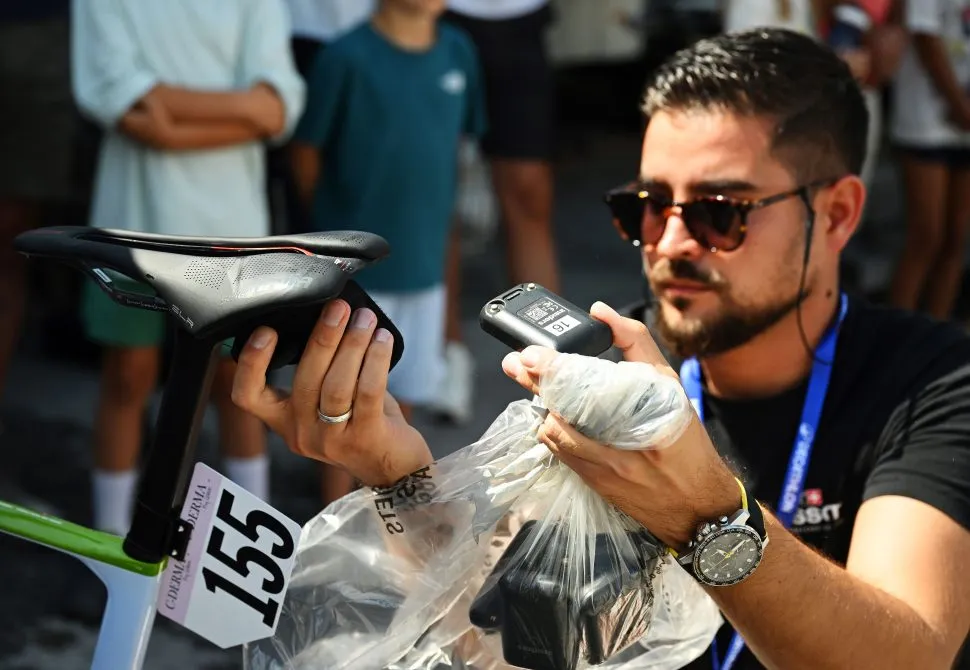
The UCI chose the Swiss race to trial on-bike GPS tracking in an attempt to improve rider safety in the event of crashes. This comes less than 12 months after the death of Muriel Furrer, who suffered a fatal crash during the UCI World Championships in Zurich. Mandatory GPS tracking, therefore, seemed like a simple solution to speed up medical procedures.
However, further details soon revealed that the trackers would be mounted by the UCI, but the organisation would take no liability for any issues caused by the new technology. Teams were also required to nominate one rider to ride with the GPS at their own will, but the policy was communicated to the teams with just a few days’ notice. Understandably, several teams refused to nominate a GPS rider, and five teams were disqualified from the race as a result.
The whole thing felt very amateurish from the UCI. Surely if you’re going to make a serious rule change, communicate it ahead of time and to allow sufficient chance to clarify any issues? From what I’ve read, no one quite knew what was going on or what was trying to be communicated by the UCI even as the new measures were being implemented.
This GPS technology hasn’t been trialled in the men’s peloton yet outside of the Rwandan World Championships, so there’s every chance a similar fiasco could arise in 2026. Pro paddock, you’ve been warned.
Reusser’s bad Grand Tour luck
 Tim de Waele
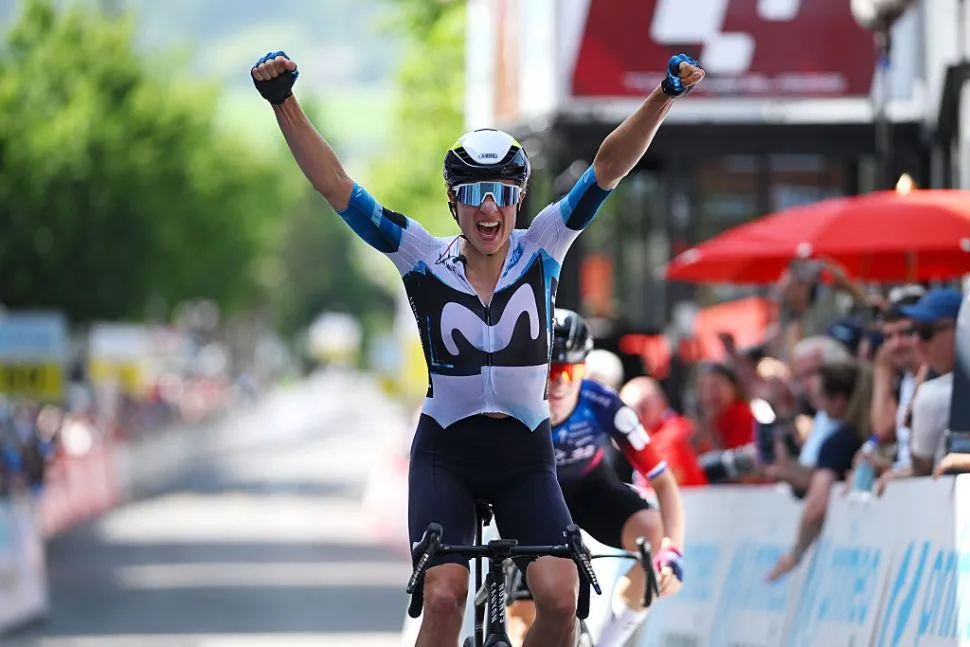
While two Grand Tour podiums, a Tour de Suisse victory plus World and European titles would be enough to satisfy most riders, Marlen Reusser has a reason to feel short-changed by lady luck in 2025.
After an electric block of form in the first weeks of summer, Reusser suffered from stomach issues at a crucial point in the Giro. The poorliness would lead to her maglia rosa downfall during the race’s penultimate stage, where she passed the lead onto Elisa Longo Borghini. Sadly, these tummy problems would spill into the Tour, forcing the Movistar leader to abandon mid-way through the opening stage.
It was an unfortunate hurdle for Reusser, who, up to that point, was benefiting from her best GC form to date. The Swiss rider was on track to claim a surprise hat-trick of Grand Tour podiums, and maybe even win one outright if it weren’t for that stomach bug. Who knows, she could have been in with a chance of clinching the Vélo d’Or in that case.
Here’s to hoping the same doesn’t happen next year – especially since the Tour offers a 25km of Reusser’s preferred discipline against the clock.
Aero bikes on mountain stages
 Xavier Pereyron
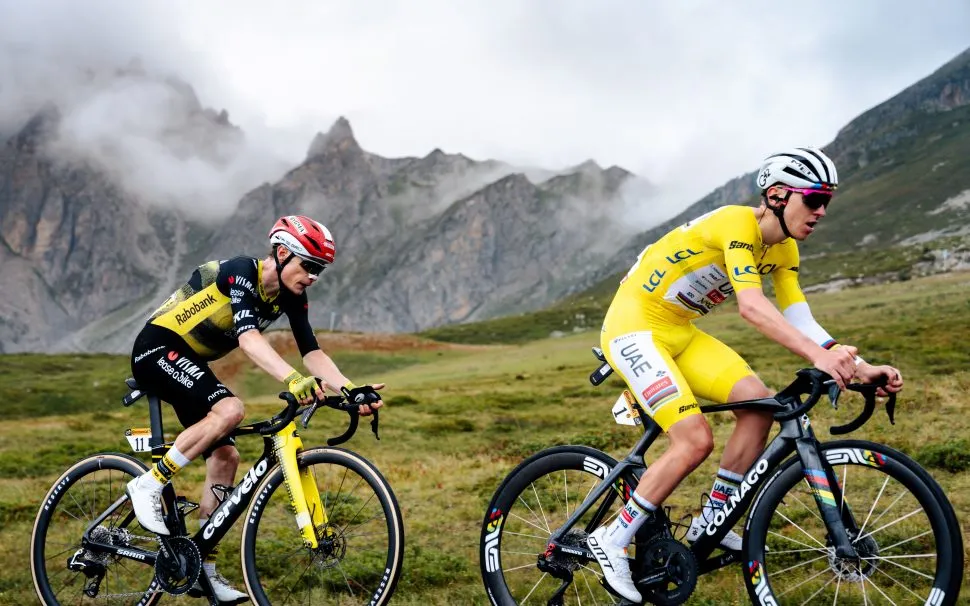
One thing that was clearly noticeable at the Tour de France in 2025 was the presence of aero bikes. While most of the WorldTour brands offer a lightweight alternative, often brushing the UCI’s legal minimum, Pogačar and Vingegaard both ditched the so-called climbing bike for their respective sponsors’ new aero-optimised frames when taking on the race’s biggest ascents.
Call me old-fashioned, but this just doesn’t look right to me. The deep tube profiles, wacky seatstay junctions and chunky forks look incompatible with the wispy mountain surroundings – and not only on an aesthetic front but on a gravitational one as well, since these aero machines are heavier than their lighter counterparts. For example, Pogačar’s aero bike, the Colnago Y1Rs build, is around 400g heavier than his Colnago V5Rs. The difference between Vingegaard’s Cervélos (the S5 and R5) also sits at a similar 500g mark. You’d have thought the riders would be concerned by this, but apparently the potential for aero gains is more persuasive than the old-fashioned metric of weight.
Not only is this jarring on the eyes and the brain, but it also leaves me questioning where the future of race bikes lies. If the top-end pros are wheeling out the heavier aero machines for even the toughest of mountain tests, what’s the point of developing a lightweight bike for pros in the first place? I guess it’ll now be a race to reach the 6.8kg legal limit with as many aerodynamic bells and whistles as possible.
If we don’t put an end to this engineering tomfoolery, we may lose the slender tube profiling and familiar silhouette of the climbers’ bike and soon enough every bike in the Tour will look like a prop from Blade Runner.
Cofidis complacency
 Xavier Pereyron
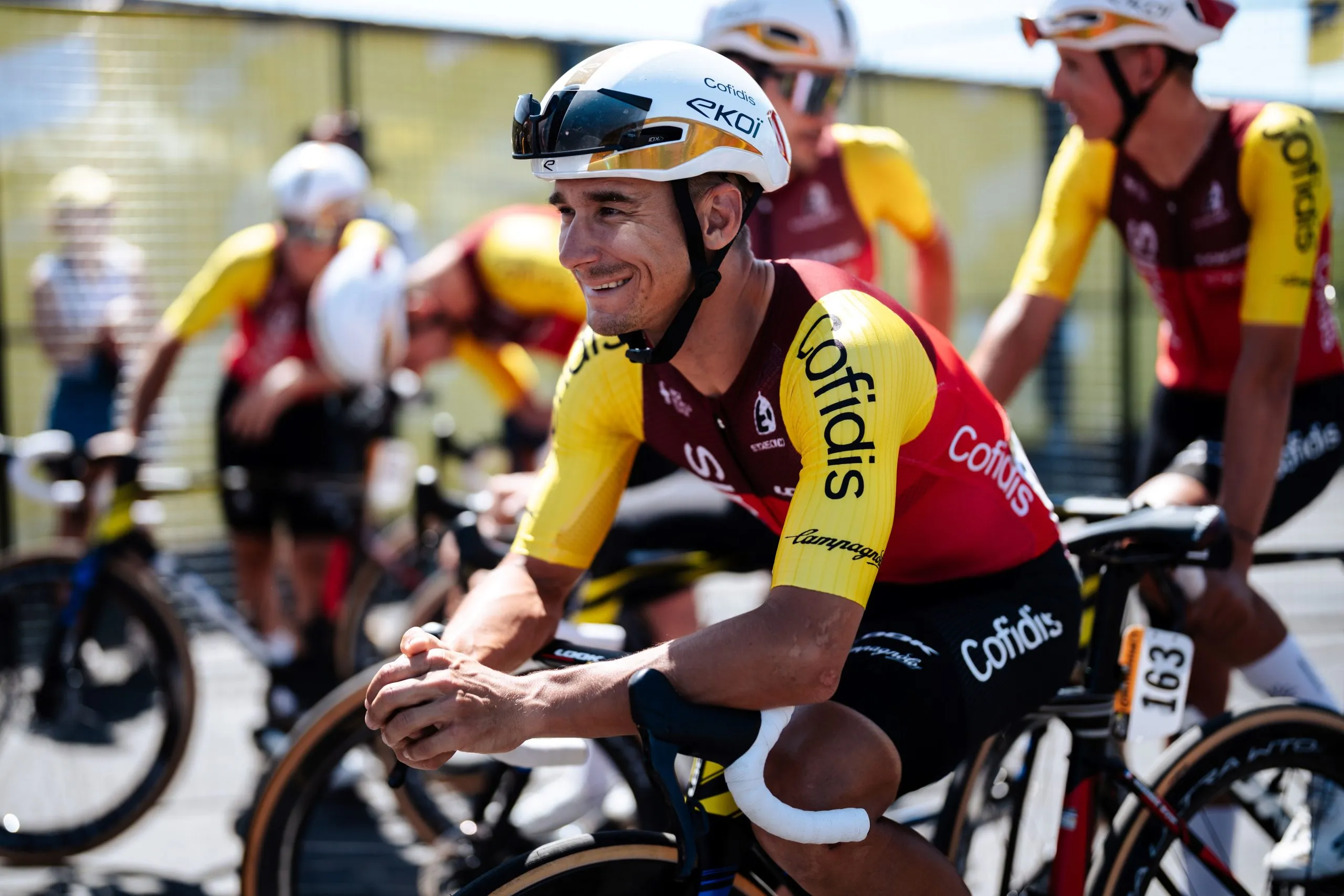
Having teetered on the fringe of dropping out of the WorldTour for several years, French squad Cofidis attempted to counteract the relegation fight by signing a host of expected UCI points-scorers going into 2025. While this seemed a smart move on paper, the results spoke very differently.
Cofidis stagnated in the UCI rankings, while relegation rivals soared under the urgency of the season-end cut-off. Cofidis particularly dropped the ball during the latter half of the season. It felt like the team completely lacked ambition during that period, and nowhere was it more apparent than at the Grand Tours. I mean, they only scored a single top ten at the 2025 Tour de France, which is woeful for a home team, let alone one with an urgent need to mop up UCI points.
The French team will thus drop down in January, but that doesn’t mean they can put their feet up and get complacent. Cycling’s relegation system doesn’t work in the football way, where the teams arbitrarily move up and down based on relative placement. The top 18 teams across all divisions determine Cofidis’ promotion hopes. Since this works on a three-year basis for WorldTour spots, Cofidis need to keep their eyes on the ball now to minimise the work for the riders in two seasons’ time.