
Another wind farm is edging closer to reaching financial close – and breaking the country’s near year-long drought in new wind investments – after the federal government-owned Snowy Hydro stepped in to sign a long term off take deal.
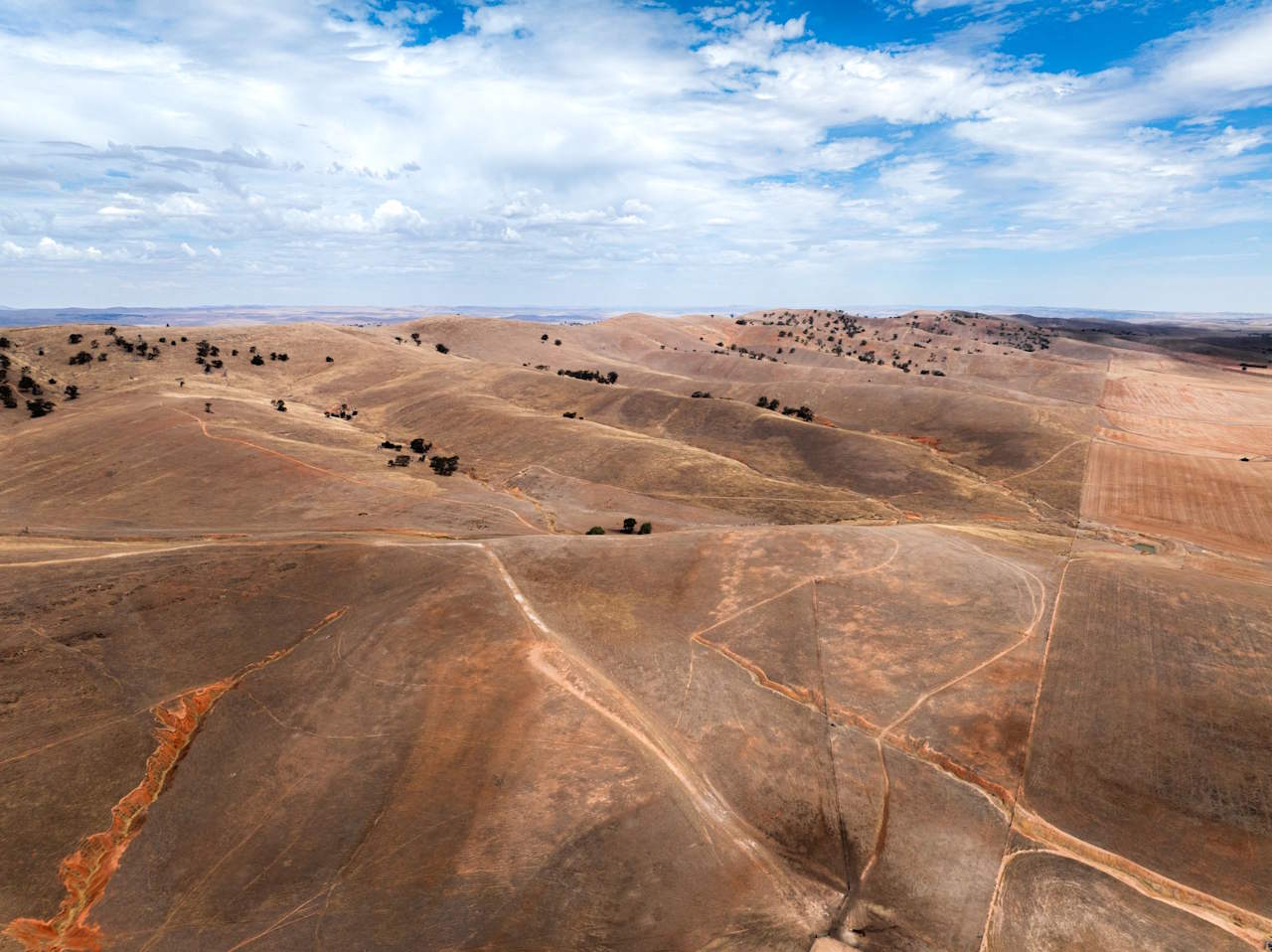
The Macquarie-backed Aula Energy has secured a 15-year off take deal for nearly half of the output of the 256 megawatt (MW) Carmody Hill wind project, located in South Australia’s mid north, home to many of the wind farms that underpin that state’s world-leading share of wind and solar.
The deal announced on Friday will see Snowy Hydro procure 120 MW of clean wind energy annually, representing 47 per cent of Carmody’s Hill’s generation capacity, for a 15-year term.
Aula Energy says the contract is a major step forwards towards reaching financial close “in the weeks ahead”, and construction, and follows its success in the recent Capacity Investment Scheme tender, which offers a long term underwriting agreement, and securing connection approvals.
“Securing this PPA with Snowy Hydro is a major step forward for Carmody’s Hill Wind Farm and for our commitment to deliver reliable, renewable energy in South Australia,” Aula Energy Chad Hymas said in a statement.
Snowy Hydro’s leadership in the energy market reflects their position as a key customer driving change as we work towards a sustainable future.”
“As long-term owner and operator of renewable energy projects, Aula Energy will continue to work with customers as both the market and their growth needs change over the long term.”
The Carmody Hill project is one of two wind projects in South Australia – the other being Tilt Renewables’ Palmer wind project – that are poised to reach FID and so break the year-long investment drought that has been a blight on Australia’s renewable energy outlook.
A third, Tilt’s Waddi wind project in W.A., is also poised to go. One project in W.A., the Kings Rock wind farm owned by state-owned Synergy, did start construction in October.
Wind energy has fallen victim to rising costs, planning delays, and a buyers’ strike from major energy retailers. No wind farms have reached FID in Australian in 2025, in contrast to a host of standalone battery and solar battery hybrid projects, which have benefited from falling costs and faster development times.
The retailers’ buyers strike has been a major feature of the market for new renewable projects in 2025, and although it shows signs of weakening (AGL has signed up to both Palmer and the Waddi project ), the move by Snowy Hydro is significant.
The federal government owned retail has been active in recent months, also signing up for the Elaine battery in Victoria – its first such deal. Snowy signed up a flurrying of wind and solar projects in 2020, and in 2023 also signed up for 40 per cent of the firsts stage of Australia’s biggest wind project at Golden Plains.
It has also been focused on its Snowy 2.0 pumped hydro and Hunter gas projects.
“Our unmatched mix of on-demand power and pumped hydro energy storage is what makes renewables work, enabling three times the clean wind and solar to come online,” Snowy Hydro Dennis Barnes said in a statement.
“This new contract enhances our role as an end-to-end generator and retailer, supporting the strong growth of Snowy’s retail brand, which now serves more than 1.6 million retail customers.”
The Carmody Hill wind project is located near Georgetown and will feature 42 turbines. Aula says it has been designed to deliver long-term economic and social benefits to the Georgetown, Gulnare, Caltowie, Bundaleer, Washpool, Gladstone and Nukunu communities.
A dedicated Community Benefit Fund will support local initiatives throughout the construction and operations phases.
If you would like to join more than 28,000 others and get the latest clean energy news delivered straight to your inbox, for free, please click here to subscribe to our free daily newsletter.

Giles Parkinson is founder and editor-in-chief of Renew Economy, and founder and editor of its EV-focused sister site The Driven. He is the co-host of the weekly Energy Insiders Podcast. Giles has been a journalist for more than 40 years and is a former deputy editor of the Australian Financial Review. You can find him on LinkedIn and on Twitter.