
How do you create a use case for your products while taking elements from your culture to build a new line of business? Japanese conglomerate Fujifilm still makes photographic films but also has a huge business in healthcare, life sciences and electronics. Fujifilm provides solutions for diagnostic imaging—CT and MRI systems that today come with AI layers to deliver better outcomes. In 2021, the company established Nura with Indian firm Dr Kutty’s Healthcare to offer high-quality medical checkups, supported by Fujifilm’s medical devices. With the increasing focus on AI across industry sectors, Fujifilm and Nura are now pitching their AI-enabled checkups, reports and process as a key differentiator in the healthcare space with their USP being an in-depth health screening delivered in less than 120 minutes.
According to Masaharu Morita, founder and program director, Nura – AI Health Screening Centre, India was their first global expansion outside Japan. India was chosen because of the size of the market here and growing awareness of preventive healthcare through regular health screenings, which according to him is at the core of healthcare philosophy in Japan and a key reason behind the country’s higher life expectancy.
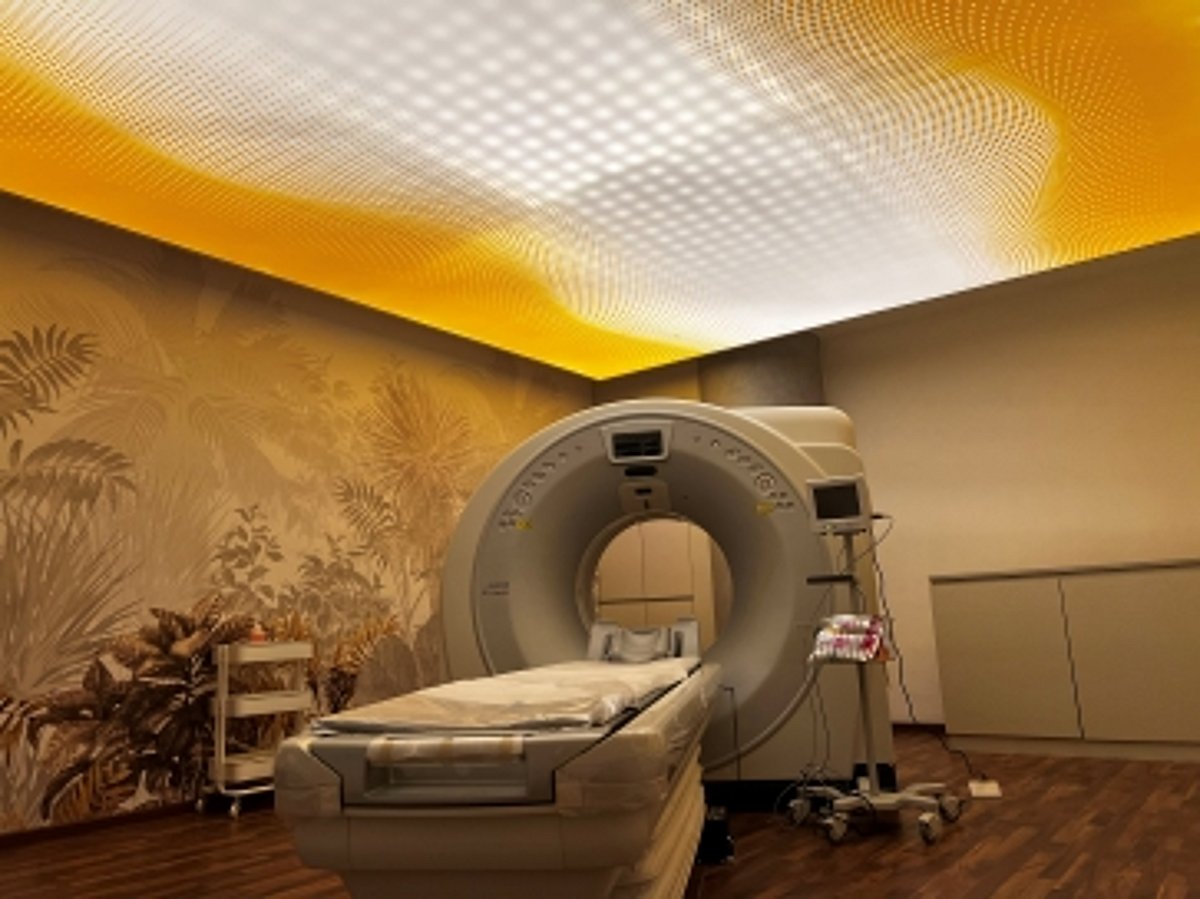
But private hospitals and diagnostic centres already do a roaring business in such health check-ups. According to Morita, what sets Nura apart is its 120-minute, AI-enabled offering. This, in a setting that is more tranquil Japanese Zen garden combined with sterile medical, as compared to a standard medical facility. With soft-spoken medical professionals, soothing piped music in the rooms where various tests are done, and even a comfortable kimono that ‘guests’ wear during the process—Nura uses hospitality lingo and refers to customers as guests. Every part of the experience is thoughtfully and deliberately designed to finish everything within 120 minutes as customers move from one medical check-up or test to another in a calm yet clearly Japanese influenced, precision-driven environment. Even the final report is delivered by a doctor using a large touch screen as the customer sits across the table—digital interfaces simplify medical data into engaging visuals. Rather than pages of medical reports, Nura customers can explore images of their organs, body composition and health projections.
But where does AI come in and how does it make a difference? According to Morita, at the heart of Nura’s process is Fujifilm’s ultra-low-dose CT technology combined with AI-assisted imaging and a streamlined workflow. “Our legacy in high-quality scanning and image processing allows us to train AI systems with decades of imaging data. AI doesn’t replace doctors, it empowers them. The AI system acts as a powerful assistant that helps specialists detect minute irregularities that might otherwise be missed during routine checks,” he explains.