
There is a cycle that Ravi Krishnamurthy has seen time and time again among the multicultural community around Canberra.
It is ruining lives and tearing families apart and, Mr Krishnamurthy said, leaving people feeling “invisible”.
He remembers the moment he learnt one of his close friends had become a victim of suicide several years ago.
Since then, the president of the Australian Multicultural Action Network has sadly watched too many families go through the same experience.
If you or anyone you know needs help:
Lifeline (24-hour crisis line): 13 11 14Suicide Call Back Service: 1300 659 467Beyond Blue: 1300 224 636Headspace: 1800 650 890QLife: 1800 184 527
Suicide is a cross-cultural problem, with 3,307 deaths classified as being due to suicide in Australia last year, according to the Australian Bureau of Statistics.
Men are disproportionately affected, making up three-quarters of those deaths.
But Mr Krishnamurthy said men from multicultural backgrounds also faced additional pressure.
He said men who migrated with their families to Australia were trying to balance a new job, a new language, a new culture and trying to find a new community. Often, they were also the sole breadwinner.
And Mr Krishnamurthy said all the pressure could become too much.
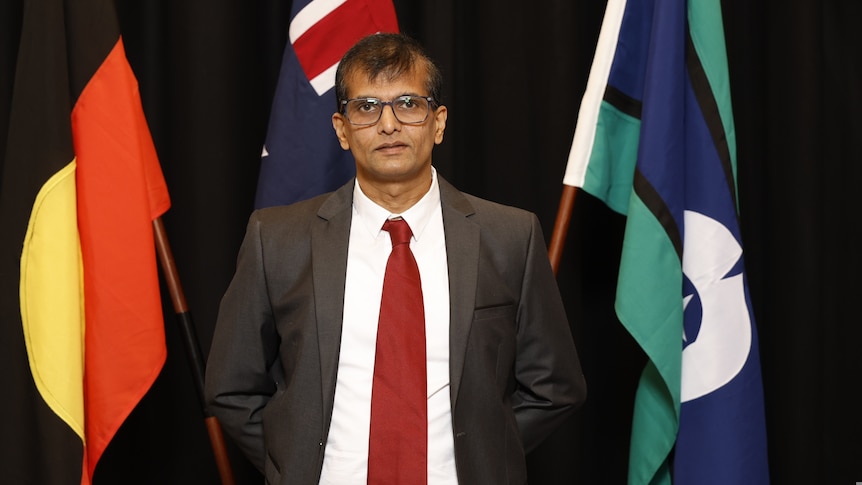
Ravi Krishnamurthy says cultural pressures can stop some men from speaking up. (Supplied)
“Migrants, refugees, international students — the distress is multiplied because they carry the emotional load of settling into a new country, and sometimes feel really disconnected from their home culture and fear they may be misunderstood in the Australian system,” he said.
“Men always think they should show they are strong, even if they have all these problems.
“This pressure is more among multicultural men.”
Mr Krishnamurthy said in many cultures, men feared becoming a burden on their families.
“In lots of the countries these men come from, [mental health] is not talked about,” he said.
“They fear sharing their emotions. They think it’s a failure on their part.
“All sorts of cultural pressure is keeping them silent, even if the pain is overwhelming for them.”Suicide on the rise among Indigenous Australians
He said migrants sometimes also struggled to know where to turn to for support and did not want to be seen as a burden on a community they just arrived in. Language, too, was a barrier.
“The language barrier deepens their feeling of shame and fear,” Mr Krishnamurthy said.
“Men sometimes feel like the system is too complex and not built for them at all. The system is making them feel invisible, unheard and completely lost.”
Two decades of witnessing the problem in the multicultural community led Mr Krishnamurthy to write a submission to the ACT’s Legislative Assembly’s inquiry into men’s suicide rates.
He said in conversations about mental health, there was “not enough focus on multicultural members”.
Running group set up by former Wallaby
Mr Krishnamurthy’s submission was one of 62 to the inquiry, which is focusing on factors contributing to high male suicide rates.
Among the submissions was one from community group Running for Resilience, co-founded by former rugby professional Ben Alexander, with the goal of making Canberra suicide-free by building community and encouraging exercise.
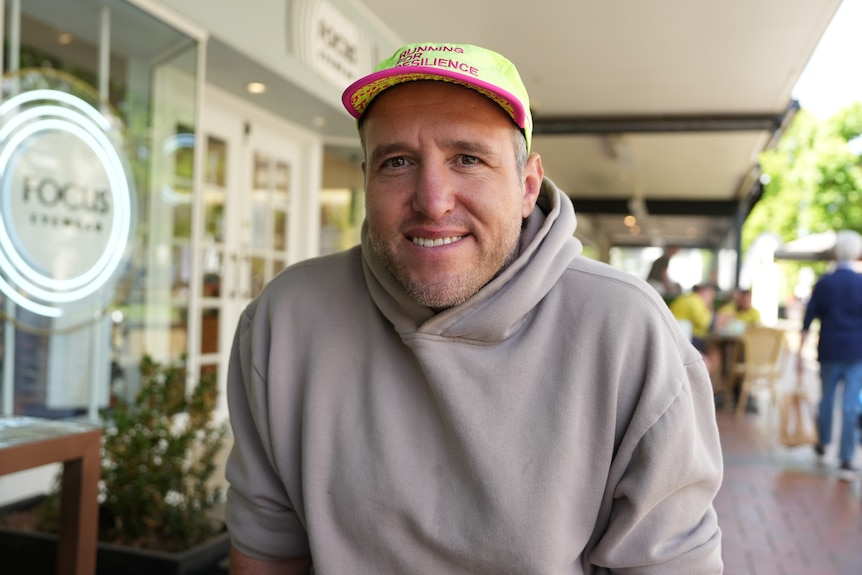
Ben Alexander’s own mental health took a turn when his professional sporting career wound up. (ABC News: Adam Shirley)
Mr Alexander said he thought he knew everything about how to manage his mental health until he hit rock bottom after retiring.
“It wasn’t really until I got to a stage where I had no other choice, I was out of answers, and I had no other option but to ask for help, and it’s the best thing I ever did,” he said.
“Most men do not resonate with the term ‘mental health’ because traditionally … that’s the loony bin.
“Men, we think if we speak up and need help, we won’t be able to get any more job opportunities and we’ll lose our jobs and we won’t be able to provide for our family.”
Mr Alexander, who was named 2025 ACT Local Hero of the Year, said it was positive that the government was choosing to get involved in addressing suicide rates.
“It’s awesome they’re making it a higher priority because it’s just unbelievably sad and I think we all lose out when we lose — not just men, but women, anyone — to suicide.

According to crisis support service Lifeline, men only make up about 40 per cent of helpline service users. (Unsplash: Ben White)
Men less likely than women to seek help
Australia’s leading crisis support service, Lifeline, also made a submission to the ACT’s inquiry.
The charity said that despite men accounting for 75 per cent of deaths due to suicide, men only made up about 40 per cent of helpline service users.
Even when men did seek help, evidence indicated that they experienced “high levels of disengagement” or were likely to drop out of services, Lifeline Australia’s submission said.
“One of the factors contributing to this phenomenon is that services may not be well-matched to their needs,” Lifeline’s submission said.
The charity also reiterated that certain population groups had an elevated risk of suicide, specifically pointing to older men, LGBTIQ+ men, Aboriginal and Torres Strait Islander men and men who had experienced child abuse and trauma.
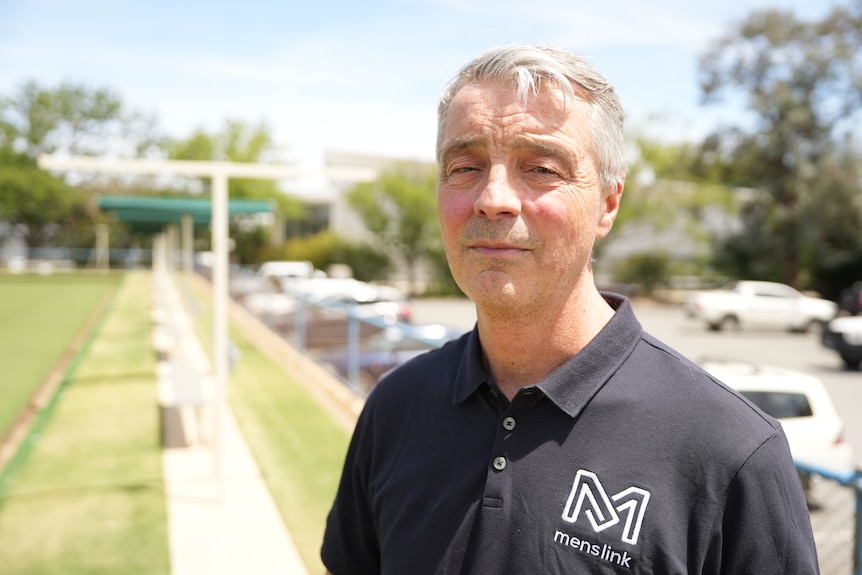
Ben Gathercole says finding connection is important for men. (ABC News: Adam Shirley)
All of the submissions to the ACT’s inquiry acknowledge that reducing the number of men who die by suicide is a complex issue, which cannot be solved by a single idea.
But Ben Gathercole said a solid foundation was to find connections and belonging with others.
Mr Gathercole is the CEO of Menslink, a charity organisation that focuses on young men, and which also made a submission to the inquiry.
“Isolation is sad,” Mr Gathercole said.
“I’m very fortunate to come from a generation where isolation wasn’t a big thing. You were involved with all sorts of things through school, through sport, through family.”
“I look at young guys now, and they’re going home and they’re being drawn into the gaming world, they’re being drawn into the internet world, they’re being drawn into this fairly dark web, and it’s called an echo chamber for a reason.”
Mr Gathercole said Menslink offered support and mentoring, which could be a crucial first step for people to see a brighter future.
He added that the ACT Assembly inquiry itself was a valuable exercise too.
“Something like this, I guess just validates the need and the worth of speaking up. The need and the worth of actually telling people how you feel,” he said.