
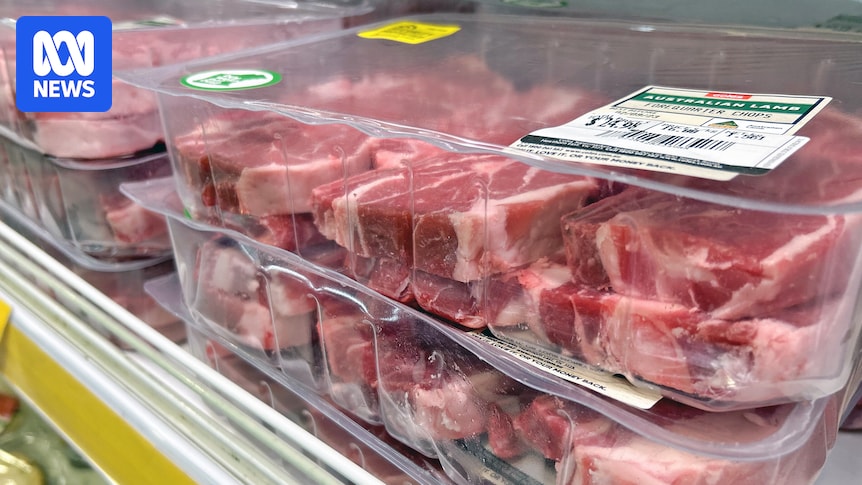
Australians planning to serve lamb on their Christmas lunch table may be paying more this year.
Analysts are expecting retail prices to rise over December, as record lamb and sheep results in saleyards are passed on to consumers.
While not a welcome change for shoppers, strong saleyard prices have been a lifeline for producers following drought conditions in Southern Australia.
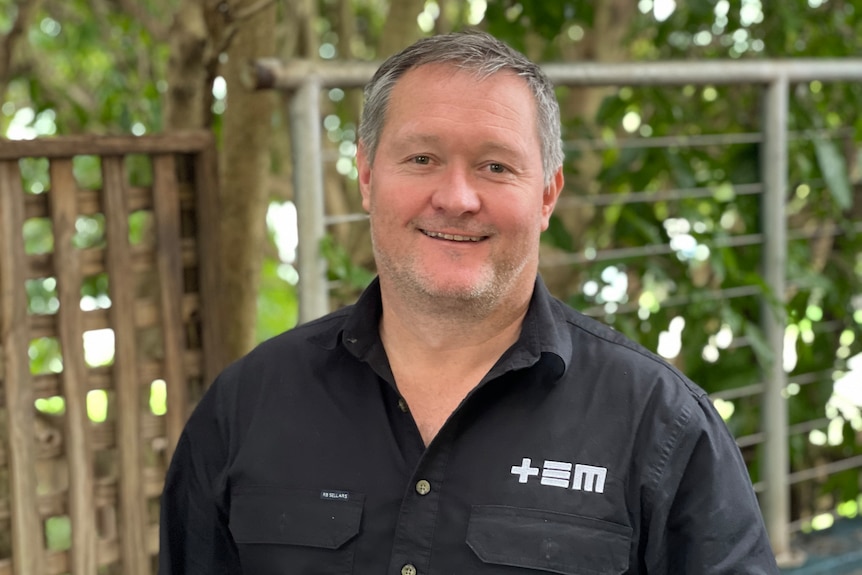
Matt Dalgleish expects lamb and sheep prices to remain high in 2026. (ABC Rural: Arlie Felton-Taylor)
Agricultural market analyst Matt Dalgleish said there had been a large turnaround in the market over the past 18 months.
“It’s been quite a spectacular year, really, for the producer,” he said.
“It is a great result for those producers that are able to carry that stock through, particularly when the times are so difficult season-wise.”
Prices expected to rise
Saleyard records started falling in July amid high demand for lambs following a contraction of flock levels.
Loading…
Mr Dalgleish said these record prices were now beginning to hit regular consumers.
“After about three to six months, it does flow through to higher pricing at the retail level,” he said.
“As we head towards the end of the year, we will see those really strong saleyard results we saw through winter that will carry through to a more expensive lamb at the retail level by the time we hit Christmas.”
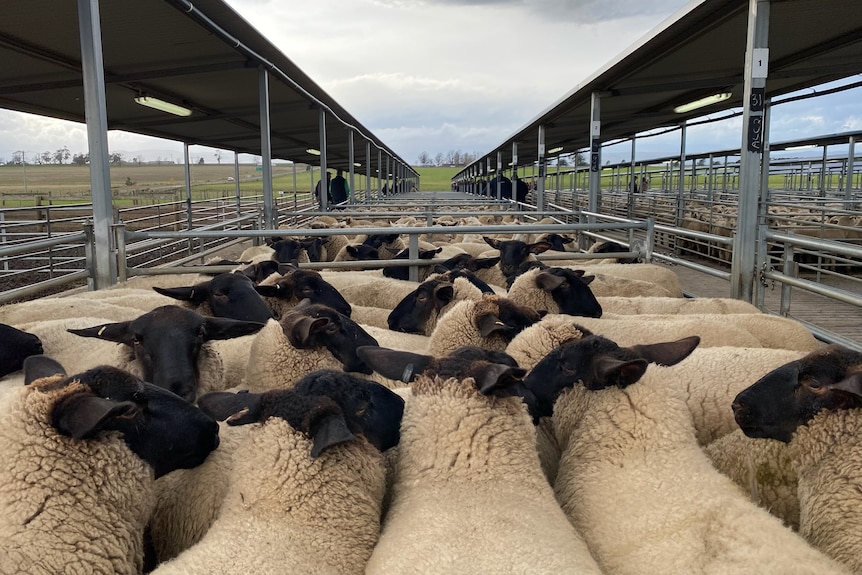
A pen of Suffolk lambs sold for a Tasmanian record of $422 per head in Powranna earlier this year. (ABC Rural: Laurissa Smith)
For consumers, lamb prices cooling off at the saleyards may not mean a reduction in retail prices.
“At the retail level, you tend to see the prices just sit and go sideways,” he said.
“You might get a very small marginal drop in pricing … but it’s not going to make a significant difference.”
Payday for SA farmers
One of Australia’s most recent sheep records to fall was first-cross ewes, which, in mid-November at the Naracoorte Saleyards, reached highs of $540 per head.
The record price came as a surprise for the owners of the ewes, the Eckert family, who farm in South Australia’s Coorong region.
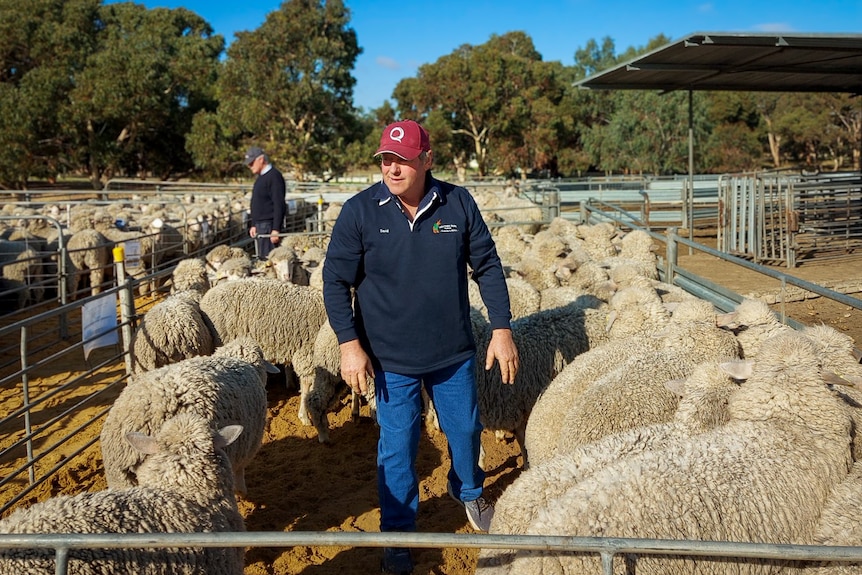
David Eckert at the saleyards where his merino and Deepwater border Leicester stock set a new national first-cross ewe record. (Supplied: David Eckert)
The family had nearly decided to offload the ewes earlier in the year due to a lack of feed, eventually choosing to instead hang on in hopes of an eventual return.
David Eckert said he was “very surprised” their ewes set a new national record.
“It was totally unexpected and obviously something I’ve never done before. In a tough year, I thought we’d never even come close,” he said.
MLA market information analyst Emily Tan was not surprised that recent results had been strong.
“Every month we’ve been seeing records being broken,” she said.
“This is kind of a year of records in some ways.”
Battle with dry conditions
The lack of rain this season in South Australia and Victoria limited the amount of feed available on many rural properties.
South Australian farmers facing long drought recovery
The Eckert family had to resort to handfeeding livestock for the first time on their farm.
“Our passion is always in these sheep and growing them out,” he said.
“We’ve been doing it for many years now, and we decided that we had to really pen feed them to bring them up to any sort of standard because we never had the paddock feed.
“It was a tough year, and in the end, they just bloomed exceptionally well in the pen, and they’ve come up to be spot on.”
The sale had been a bright spot in an otherwise difficult year.
“I’ve never farmed through a tougher season than this one just gone,” Mr Eckert said.
“It was a great feeling, it was a great reward, and backed up our decision we made earlier in the season.”