
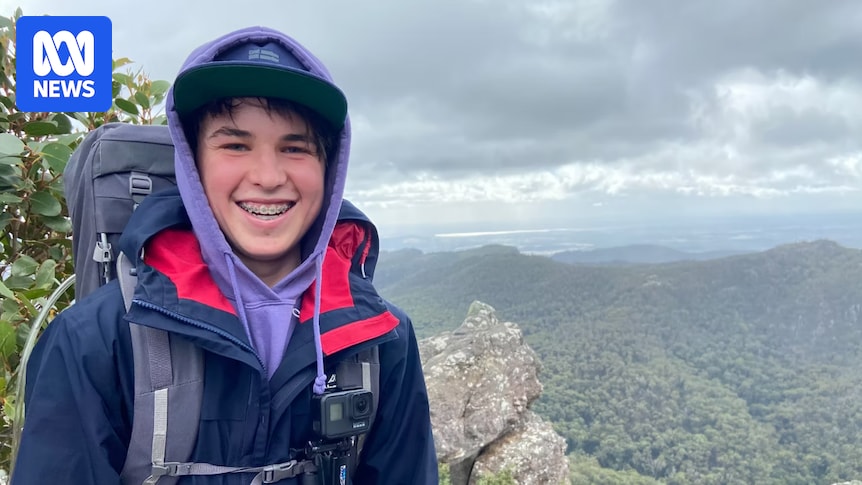
Max McKenzie was the kind of teenager who wanted to be part of everything.
He loved kayaking, swimming and skiing. He threw himself into performing arts, played in the orchestra and sang in a choir.
He joined cadets and once even built his own computer.
“He was such a vibrant, big character,” his mother Tamara McKenzie said.
At 15, Max lived life to the fullest.
But he was also surrounded by a constant, invisible danger.
The Melbourne teenager had a severe allergy to nuts and carried an adrenaline injector, or EpiPen.
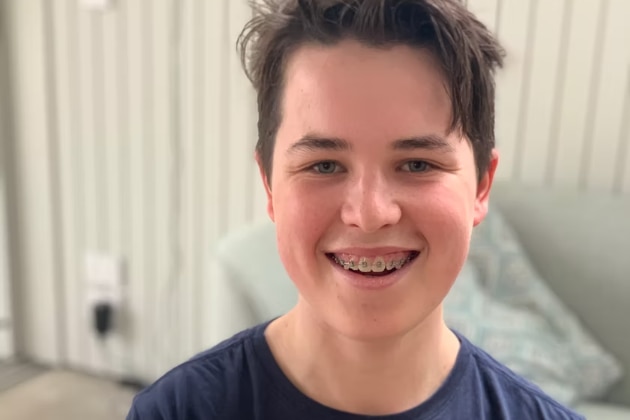
Max McKenzie has been described as a vibrant, active teenager who lived life to the fullest. (Supplied: AMAX4)
On August 6, 2021, he was forced to use it after accidentally ingesting walnuts at a relative’s house.
Max began displaying signs of anaphylaxis and was given further adrenaline when paramedics arrived. He suffered a seizure and, once at the Box Hill Hospital, staff performed emergency surgery to create an airway.
By the afternoon, he had suffered a severe brain injury from oxygen deprivation.
He was transferred to the Alfred Hospital and died 13 days later after going into cardiac arrest.
Family feels ‘completely let down’
Four years on, a Victorian coroner is examining if Max’s death was preventable and whether paramedics and doctors at the Box Hill Hospital provided appropriate care.
On the final day of the inquest, Max’s devastated parents stepped into the witness box.
His mother said she felt “completely let down by our health care system”.
Ms McKenzie told the court that after Max was loaded into the ambulance, he said he was going to die.
“I naively told him he wasn’t,” she said.
“I now must live with knowing I got that so wrong.”
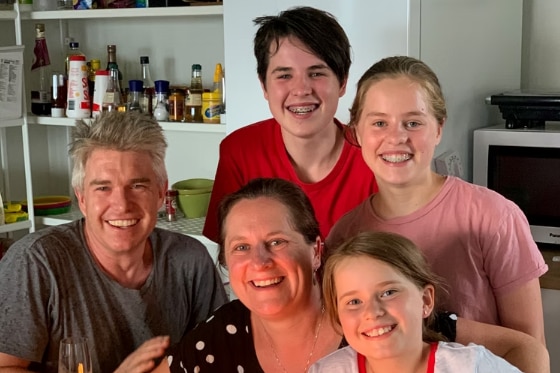
Max McKenzie’s parents, Ben and Tamara McKenzie, say their family has been let down by the health care system. (Supplied: AMAX4)
She described “complete chaos” in the hospital cubicle as staff decided on the best way to treat him.
Max’s father, Ben McKenzie, an emergency doctor, rushed from South Melbourne and found himself helping to resuscitate his own son.
“I should never have had an opportunity to treat Max in any way because it should have been done before I got there,” he said.
Allergies on the rise
Nearly one in three Australians — about eight million people — now have some form of allergic disease, according to research published in August.
Allergies can be mild or life-changing, and can appear in many forms, including asthma, hayfever, eczema or reactions to food, medication and insect bites.
In a report, the Australasian Society of Clinical Immunology and Allergy and the National Allergy Council found the diseases cost the Australian health system and economy $18.9 billion in 2024.
“We are known as the global capital of allergic disease,” said Sarah Emery, the head of support group Allergy & Anaphylaxis Australia.
“I don’t think that there’s one specific factor that can be pointed to … they’re all really speculatory.”
Deadly cases like Max’s are rare but not isolated.
James Tsindos coronial inquest
The Murdoch Children’s Research Institute estimates about 20 Australians die from anaphylaxis each year and more than 12,000 are hospitalised.
Two months before Max’s death, Melbourne teenager James Tsindos died after eating a takeaway burrito bowl containing cashews.
His case remains under investigation, with the coroner considering whether restaurants and food delivery apps need stronger warnings.
Ms Emery says awareness and food labelling have improved in recent years, but more progress is needed. Consumers also need confidence to ask questions.
“We have a saying to our consumers, ‘Always ask, always tell’,” she said.
She believes the health system is generally well prepared to treat severe reactions, crediting the Acute Anaphylaxis Clinical Care Standard introduced in 2021.
The guidelines call for anaphylaxis to be detected quickly, adrenaline to be injected without delay and to be kept on hand for further use, patients to be laid flat on their backs, constant clinical observation, and a comprehensive discharge plan.
Could Max’s death have been prevented?
The inquest heard that in some instances, allergic reactions were simply overwhelming even with rapid medical intervention.
Whether Max’s case falls into that category is up to the coroner to decide.
Lawyers for the McKenzie family argued Max was “robbed” due to “substandard care” from paramedics and delays at the Box Hill Hospital.
But others do not see it in such black and white terms.
An expert panel was divided on whether Max’s death was preventable after the walnuts were ingested.
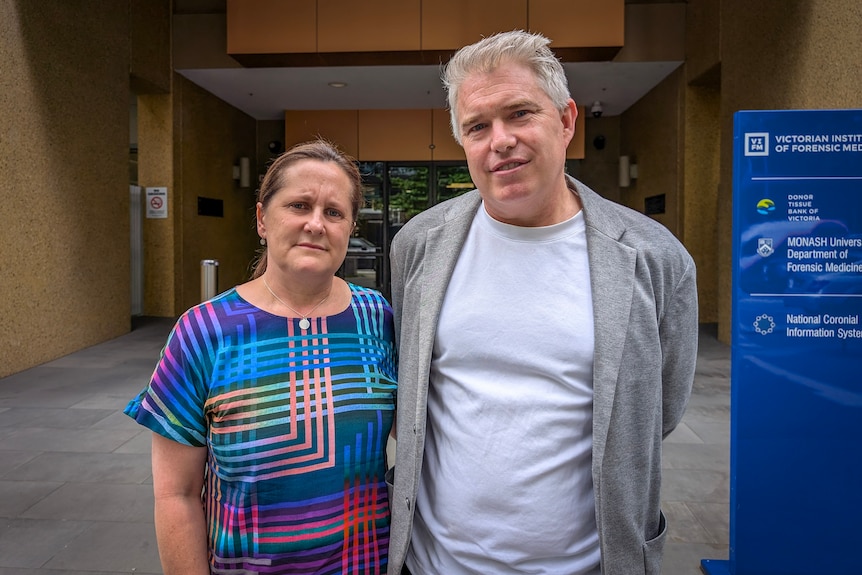
Tamara McKenzie told the inquest the response at the hospital was chaotic, while Ben McKenzie gave evidence about having to help resuscitate his own son. (ABC News: Kristian Silva)
Lawyers representing Eastern Health, which oversees the Box Hill Hospital, backed their staff and called criticism “unfair”.
“The chance of death was high, irrespective of his treatment course,” Eastern Health barrister Sebastian Reid said.
Dr David Armstrong and Dr Stephen Rashford believed Max could not have been saved.
“Max’s chances of survival were impacted by the care,” Dr Rashford said.
Dr Andrew Numa said the death was “potentially preventable”.
Paramedic Tony Hucker did not give an opinion but agreed the “best care” wasn’t provided.
Once Max reached Box Hill Hospital, the experts agreed that creating a surgical airway was crucial — and that it took too long.
Professor Armstrong argued that treatment was “always trying to catch up”.
Professor Numa said a 10-minute delay “sealed” Max’s fate.
“I think he was denied the best opportunity for survival. He arrived at Box Hill Hospital with a pulse,” he said.
“He had a compromised airway, and the delay in addressing that made his situation irretrievable.”
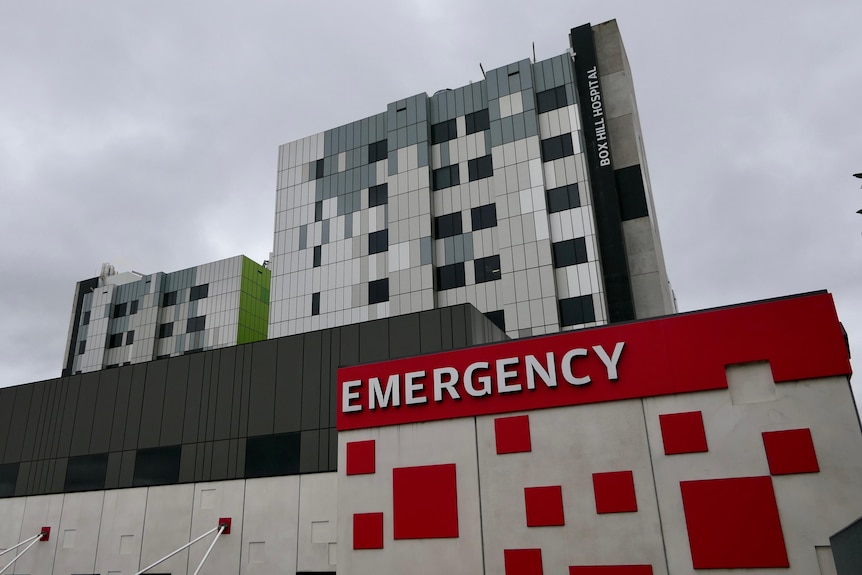
The inquest heard there were delays intubating Max McKenzie at Box Hill Hospital. (ABC News: Patrick Rocca)
A barrister assisting the coroner, Rachel Ellyard, also said there was an “unreasonable delay”, but noted that his condition was so severe that a different response was unlikely to have saved him.
The McKenzie family’s barrister, Daniel Wallace, criticised Ambulance Victoria because one of the first paramedics on scene was a graduate who needed extra guidance and was not qualified to drive under “Code One” conditions.
But Ambulance Victoria’s barrister, Naomi Hodgson, said paramedics’ decisions were appropriate in a “rapidly evolving situation”. She did acknowledge, however, that adrenaline was not administered in line with clinical practice guidelines.
‘He deserved to live’
Coroner David Ryan is expected to hand down recommendations next year.
On Friday, Max’s parents described their son as the most incredible child, brother and friend anyone could have asked for.
“He was going to be an asset to our society, and he deserved to live. He was talented, charismatic, and 15 years old,” Dr McKenzie said.
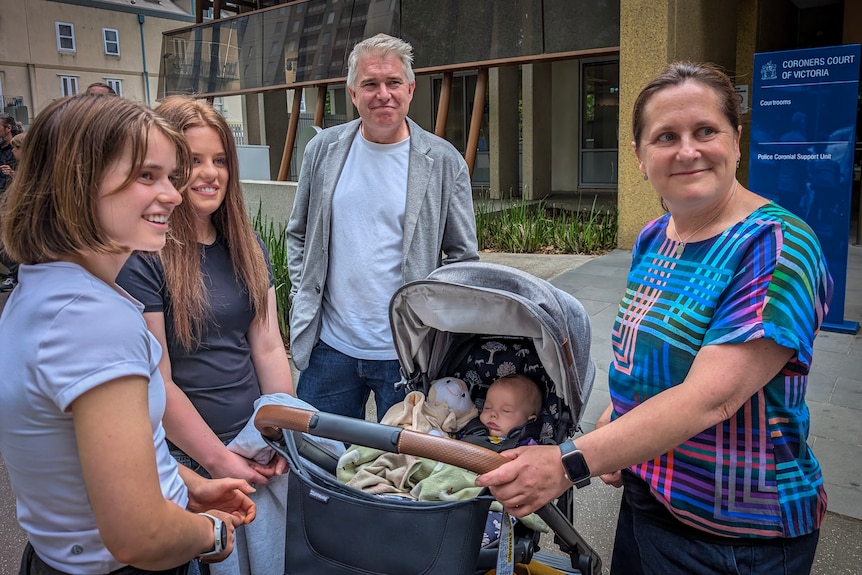
The McKenzies have set up Live to the Max to improve allergy education and awareness. (ABC News: Kristian Silva)
Since his death, the family has dedicated itself to preventing similar tragedies.
Their organisation, Live to the Max, runs allergy education programs in schools.
Dr McKenzie is also completing a PhD on anaphylaxis and asthma resuscitation and has trained thousands of health professionals globally.
“I feel a special and heavy burden that I must use the knowledge I have to advocate for positive change,” he said.
“Every time I do a talk, it crushes a piece of my heart and it takes me days to recover.”