
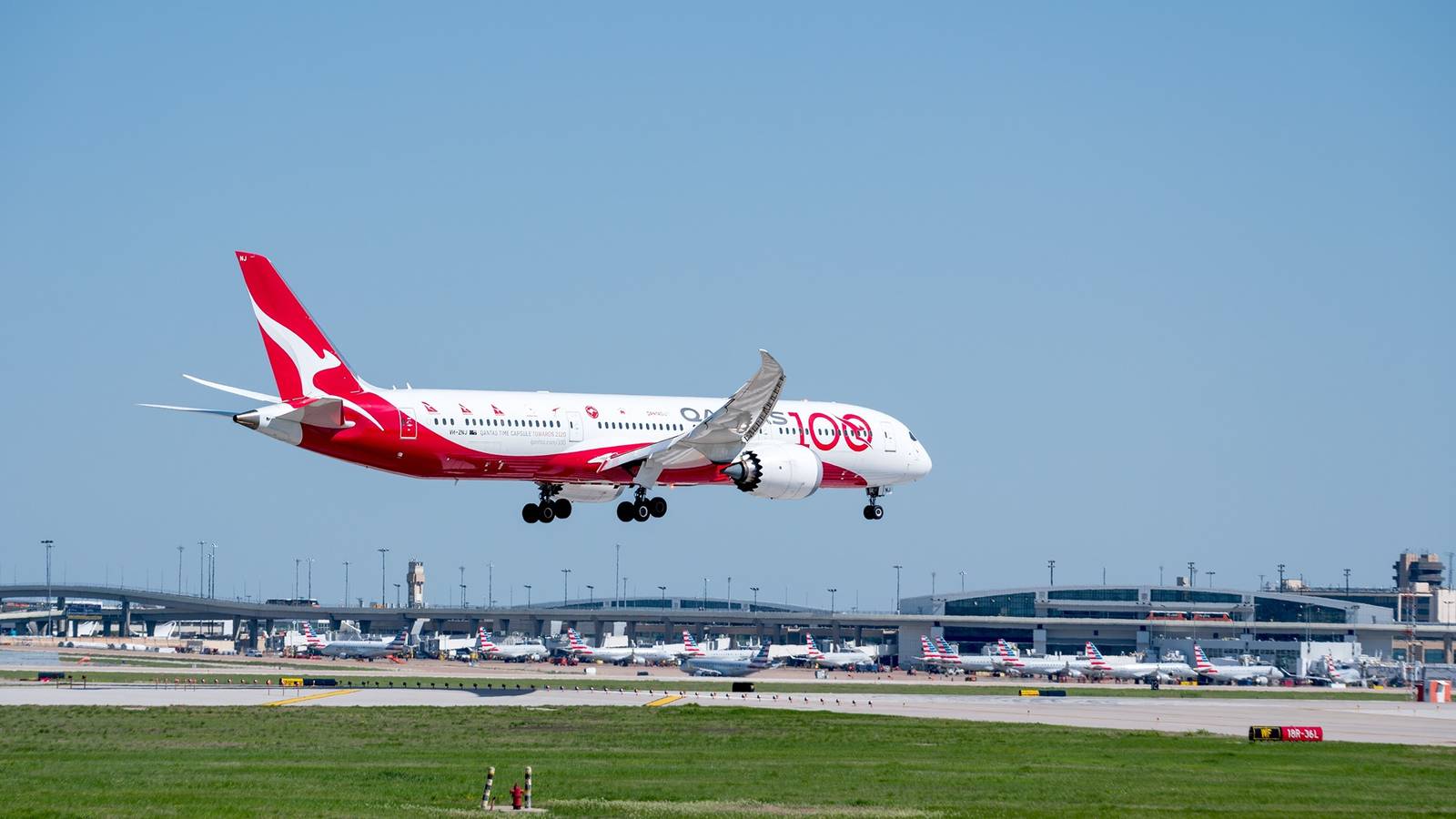
Australia’s flag carrier expects to expand its reach to the Indian subcontinent, explaining that as Boeing 787s are freed up with the arrival of the Airbus A350-1000 and new Airbus A321XLR, meaning more options could be on the table for non-stop flights between Australia and India.
Qantas International Chief Executive Officer, Cam Wallace, spoke exclusively to Executive Traveller that the airline right now is making good returns on its two non-stop services to India, but that it is keen to redeploy the right aircraft and configuration on this hugely popular market.
More Aircraft Needed To Make This Possible
Credit: Shutterstock
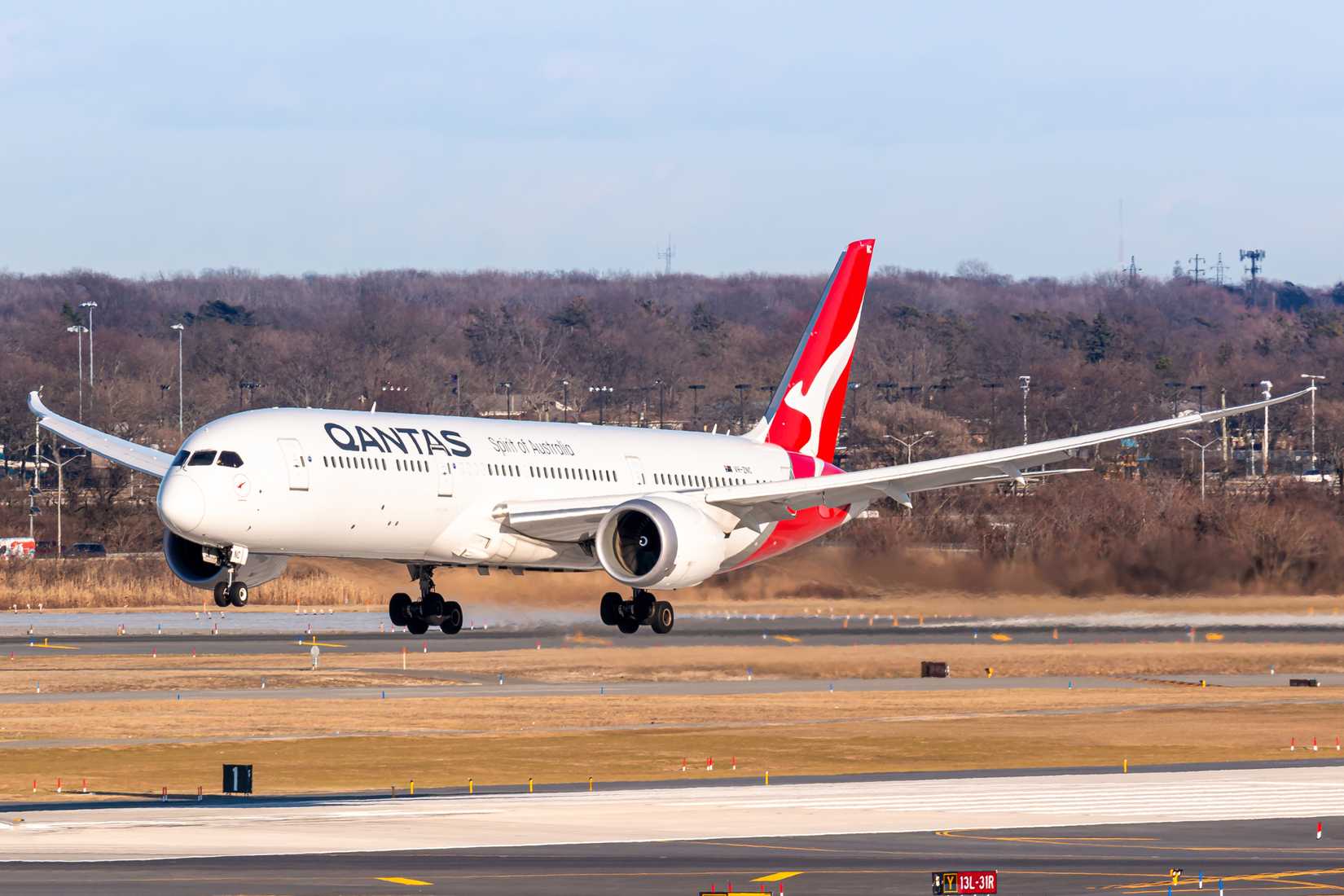
At present, Qantas operates its services to India with its Airbus A330 fleet (which, according to ch-aviation records, the carrier with 28 aircraft in total, a mix between the A330-200 and A330-300). However, Wallace explained to Executive Traveller that these are likely not the right aircraft or configuration to operate these routes.
However, as the airline welcomes the A350-1000 to operate its Project Sunrise routes, this will free up existing and new 787 Dreamliners in the fleet. With these 787s, Qantas hopes to add additional services between Australia and India, and even Sri Lanka. Qantas has an order for a dozen A350-1000 and 787s, which are both set to replace the carrier’s aging A330 fleet.
Additionally, the carrier expects to utilize the A321XLR, with its long-range capabilities, to open up new non-stop options from Australia’s west (Perth International Airport (PER)), to offer non-stop services from PER to destinations across India or Sri Lanka.
Complementing Current Non-Stop Flights
Credit: GCMap
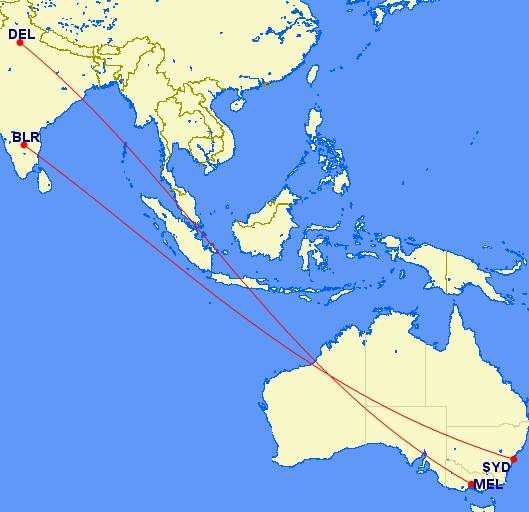
Currently, Qantas operates just two non-stop flights between Australia and India; these are  Sydney Kingsford Smith Airport (SYD) to Bangalore Kempegowda International Airport (BLR) and Melbourne Tullamarine Airport (MEL) to
  Delhi Indira Gandhi International Airport (DEL). These routes are served with the airline’s Airbus A330 fleet.
Opening up routes from Perth with the A321XLR will see lie-flat business class seats introduced from 2028, and further complement expansion at the Perth Airport Central precinct, which enables the airline to offer both domestic and international flights all under the same roof, instead of the need to transfer between the domestic and international terminals. This project, with an estimated cost of more than AU $5 ($3.27) billion, will create what is called an ‘airport city’, reaffirming Perth as a key international hub.
India remains a key focus for Qantas, with the airline noting that its existing relationship with IndiGo, which supports codesharing and Qantas Frequent Flyer earning on up to 11 domestic routes from Bangalore and New Delhi, which the airline is likely keen to expand.
Currently, other key international airlines connecting passengers between Australia and India include the likes of Singapore Airlines (Singapore), Emirates (Dubai), Qatar Airways (Doha), and Malaysia Airlines (Kuala Lumpur).
Related
The Future of Long-Haul Travel: Qantas’ Game-Changing Move to Replace A380s
Jetstar To India
Credit: Shutterstock
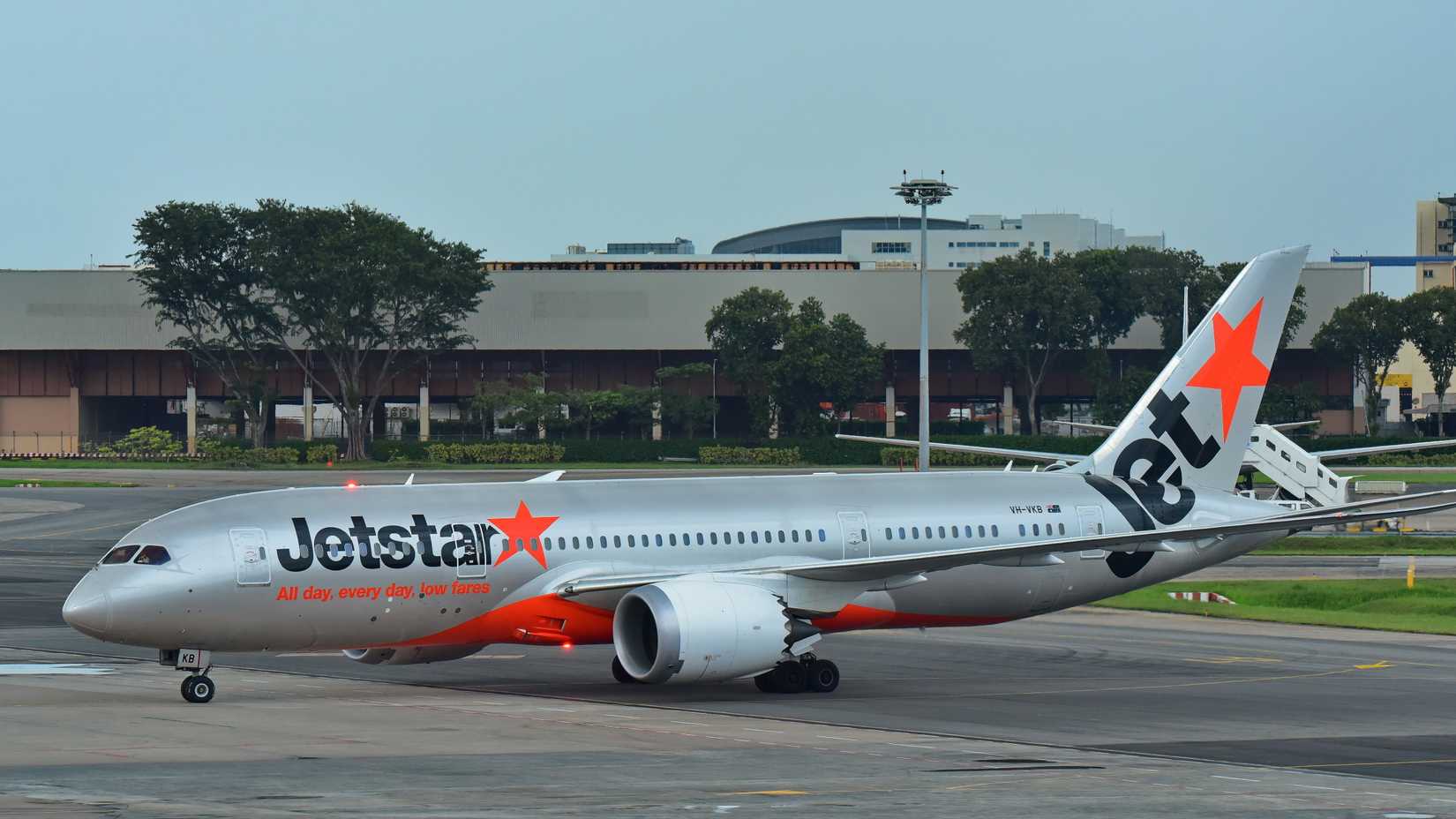
Not only does Qantas plan to redeploy the 787 on additional routes to India and eventually transform Perth into a one-stop hub for non-stop flights to India, Asia, and beyond with the highly versatile A321XLR, but it also plans to use its low-cost subsidiary Jetstar to support cheap airfares to India. This was explained to Executive Traveller, where it was analysed how Jetstar is also integral to the airline group’s further expansion to the Indian subcontinent.
The low-cost carrier, which is Australia’s second-largest airline, is currently seeing a number of its 787s go through a retrofit that will offer an elevated experience for passengers. The airline currently deploys these aircraft on routes to and from Asia, which include (but are not limited to) the likes of Singapore, Bangkok, Phuket, Ho Chi Minh City, Tokyo, and Seoul. The carrier, which has also seen the introduction of the A321XLR, now supports non-stop flights between Perth and Manila, or Brisbane and Cebu.
Jetstar Group Chief Executive Officer, Stephanie Tully, added to the latest Qantas announcement that with the new design on board the 787, this will provide dedicated crew rest areas, which can enable the airline to offer flights that are up to the full 16-hour range. This would unlock the possibilities for Jetstar to start serving both India and Sri Lanka, direct from Australian cities such as Sydney, Melbourne, and Perth.
The dual brand approach will see Qantas not only appeal to both the low-cost and premium passengers, but also allow the two airlines to strongly collaborate to capture even more of the Australian and Indian markets. Currently, the only other airlines that offer flights between India and Australia are the Indian flag carrier Air India, while Sri Lankan Airlines connects Colombo to both Sydney and Melbourne.