
We learn more and more about our universe all the time, but there’s recently been a huge spike in stunning cosmic observations. An increase in funding, dramatic advancements in telescopes, AI, image-processing algorithms, and data analysis has unleashed a flood of great new discoveries in 2025.
As fact-finders, it’s nice to know that a universe as big as ours keeps the new facts rolling in. We know the multiverse is just theory as of now, but if we ever prove there are other universes out there, we’ll try to gobble up facts about those, too. It’s never enough for us! Hopefully this pace of new discoveries keeps up in 2026 and beyond, but for now, we’re more than grateful for this batch of cool new findings.
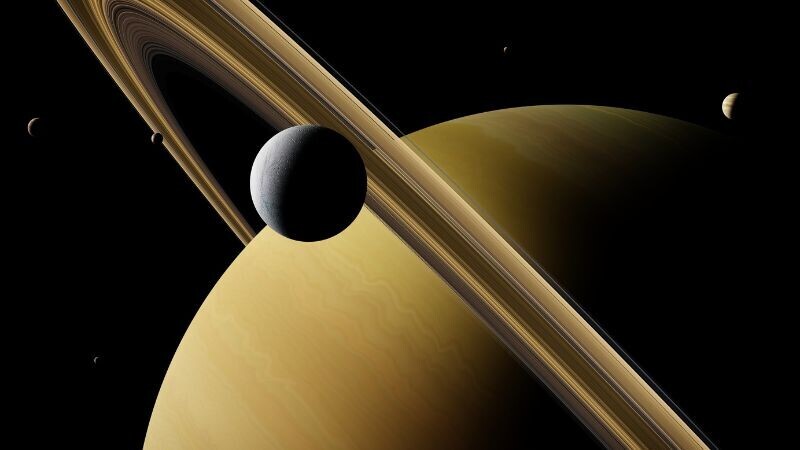
15 Astronomers recently discovered 128 new moons orbiting Saturn 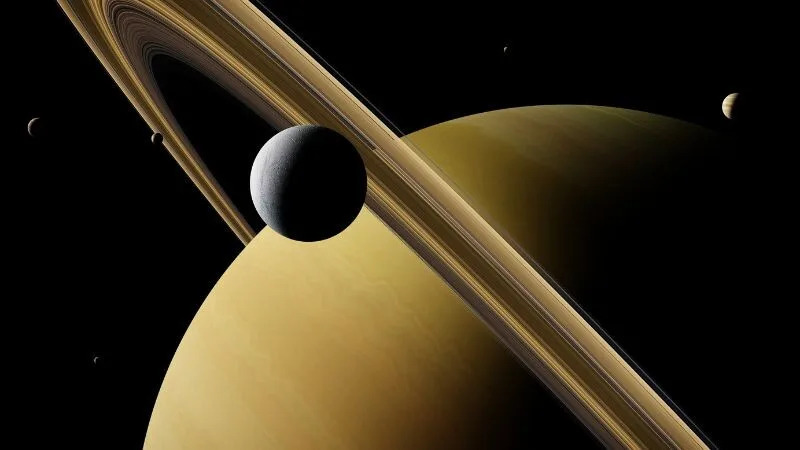
To date, Saturn now has 274 known moons. That’s almost twice as many as all the other planets in the solar system combined.
14 The Vera C Rubin Observatory is delivering groundbreaking images
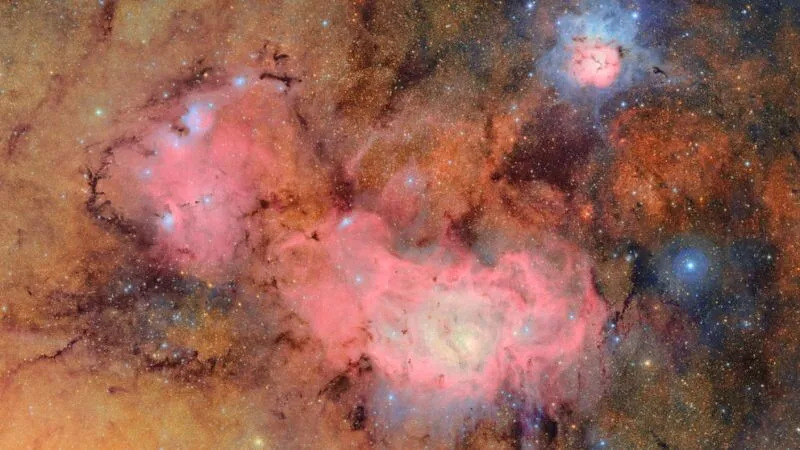
With spectacular views of distant galaxies, giant dust clouds, and hurtling asteroids, the Vera C Rubin Observatory in Chile has recently embarked on a 10-year survey of the cosmos. To get extra excited, this stunning image combines 678 separate images captured in just over seven hours of observation.
13 Uranus’ 29th moon
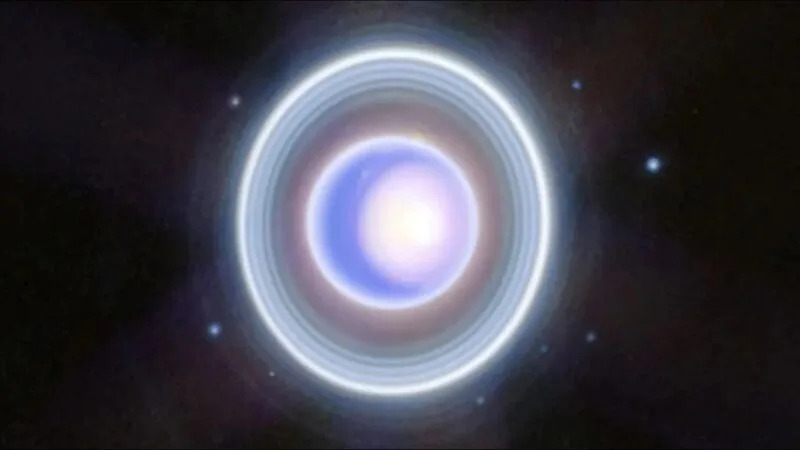
Hidden inside the planet’s dark inner rings, new observations from the James Webb Space Telescope found Uranus’ 29th moon. Called S/2025 U1 is only 6 miles (10km) in diameter, which is why it hasn’t been visible to lesser telescopes.
12 A “Super Jupiter” Exoplanet
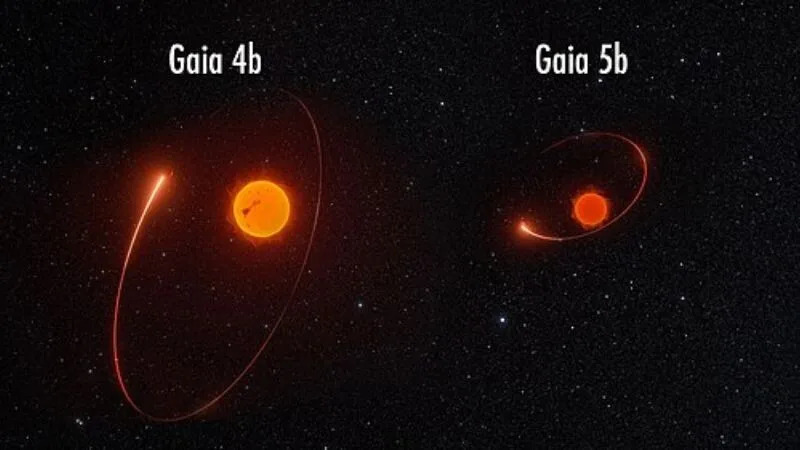
Gaia-4 b was confirmed using astrometric “wobble” data from the Gaia spacecraft in October, 2025. Its mass is about 11.8 times that of Jupiter, and is located approximately 240 light-years from Earth.
11 Martian Dust Devils
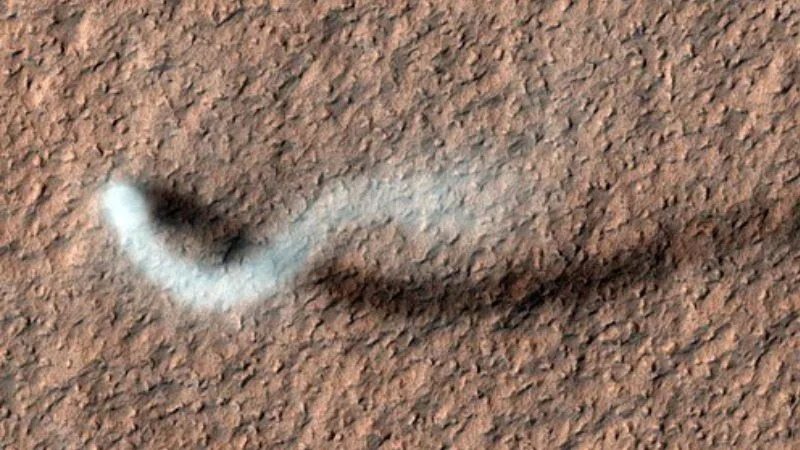
In October 2025, scientists published a catalogue of 1,039 Martian dust devils observed by the Trace Gas Orbiter Satellite and Mars Express over the last two decades. Martian dust devils are convective atmospheric vortices, and this one is 2,600 feet tall and 98 feet wide.
10 A Rare Neutron Star “Superburst”
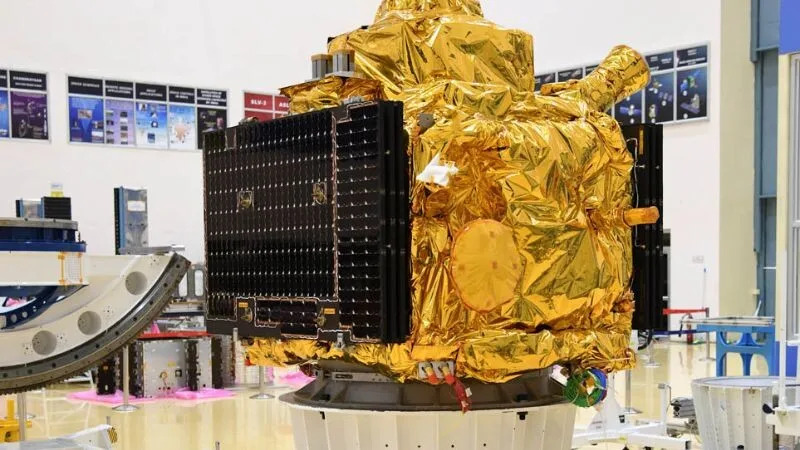
India’s XPoSat satellite observed a rare thermonuclear “superburst” from a neutron star system 4U 1608-52. It’s temperature reached 20 million Kelvin and it’s about 4,000 light-years from Earth.
9 Saturn’s long-lost twin
The James Webb Telescope directly imaged a tiny, cold planet (about one Saturn mass) orbiting the young star TWA 7. It’s the lightest planet to ever observed by direct imaging.
8 Jupiter’s neon light show
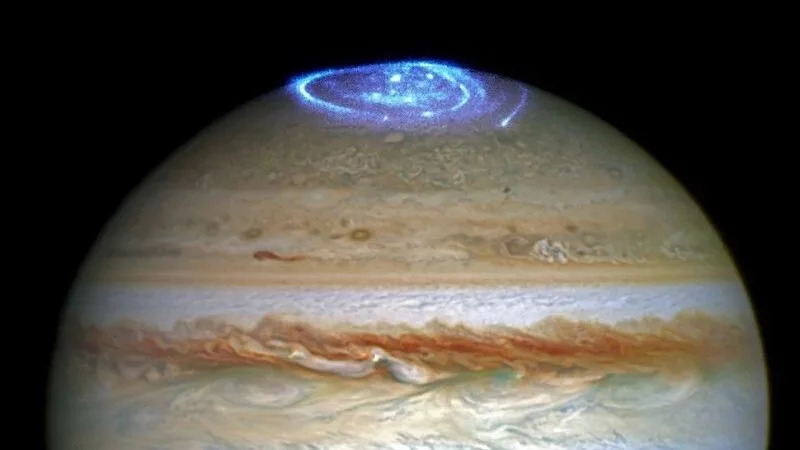
The James Webb Telescope’s infrared camera captured Jupiter’s polar auroras in unprecedented detail. Webb even found a strangely bright auroral patch that Hubble didn’t catch using ultraviolet light.
7 Frozen water in a planet-forming disk
In May 2025, researchers announced that crystalline water ice was detected around a young Sun-like star’s debris disk. Ice is a raw material for building giant planets and delivering oceans to rocky worlds, and this hints that solar systems like our own may actually be common.
6 You can now see Comet 3I/ATLAS from your backyard 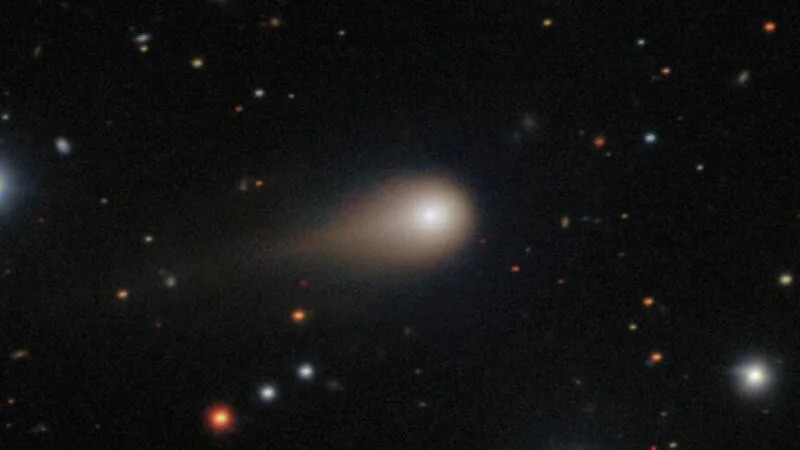
In early November 2025, astronomers discovered that the Manhattan-sized comet 3I/ATLAS is now visible from Earth with a small telescope. Astronomer Yicheng Zhang snapped this image on November 1st.
5 Comet C/2025 R2 SWAN 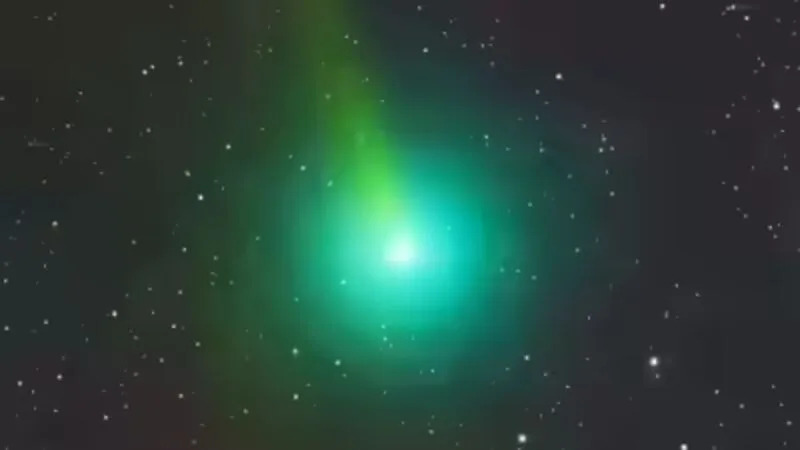
The Oman Society of Astronomy and Space has successfully tracked and captured images of Comet C/2025 R2 SWAN. On October 19, 2025, it came about 39 million kilometers from Earth and won’t be back for more than 20,000 years.
4 The universe is getting colder and slower 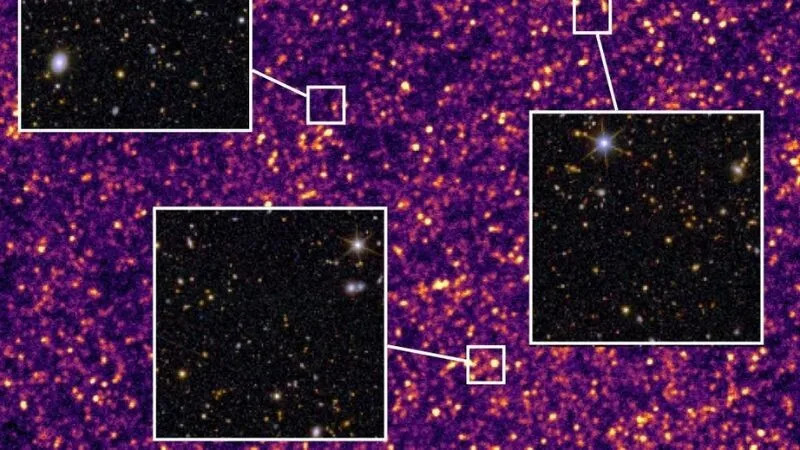
Using the European Space Agency’s Euclid and Herschel telescopes, a team of 175 astronomers have captured the most accurate reading of the Universe’s temperature ever recorded. By studying the heat emitted by stardust in over 2 million galaxies, they’ve concluded that temperatures in further galaxies are cooler, and star formations are more rare.
3 The best image of The Milky Way to date 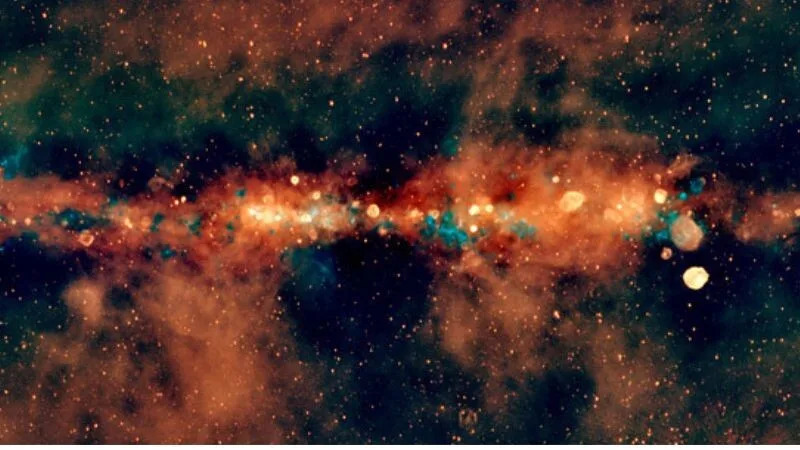
In October 2025, astronomers assembled the largest low-frequency radio ‘color’ image of the Milky Way ever. It gives astronomers better data for understanding how stars form, evolve, and die in our galaxy.
2 The Necklace Nebula 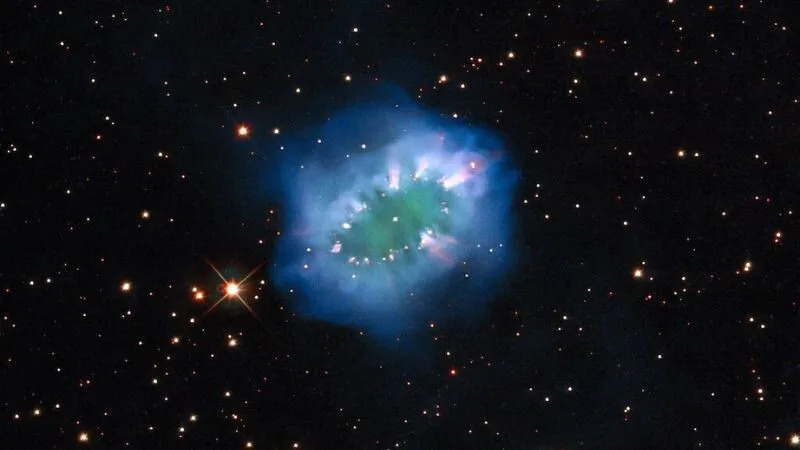
In November 2025, NASA found the interaction of two doomed stars created this spectacular ring adorned with bright clumps of gas. Dubbed the “Necklace Nebula,” it is located 15,000 light-years away from Earth in the constellation of Sagitta (the Arrow).
1 The Red Spider Nebula 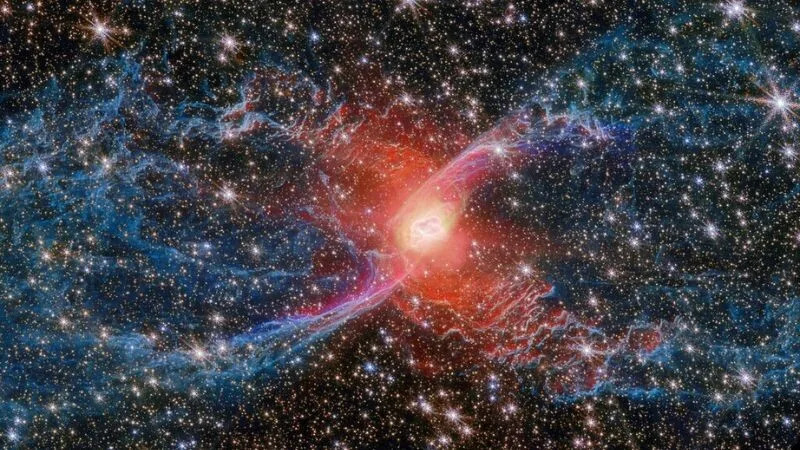
Using its Near-InfraRed Camera, the James Webb Telescope has revealed never-before-seen details in this planetary nebula with a backdrop of thousands of stars. Researchers say that these objects give us a future glimpse of how our our Sun might end.
Get more Cracked directly to your inbox. Sign up for Cracked newsletters at Cracked News Letters Signup.