
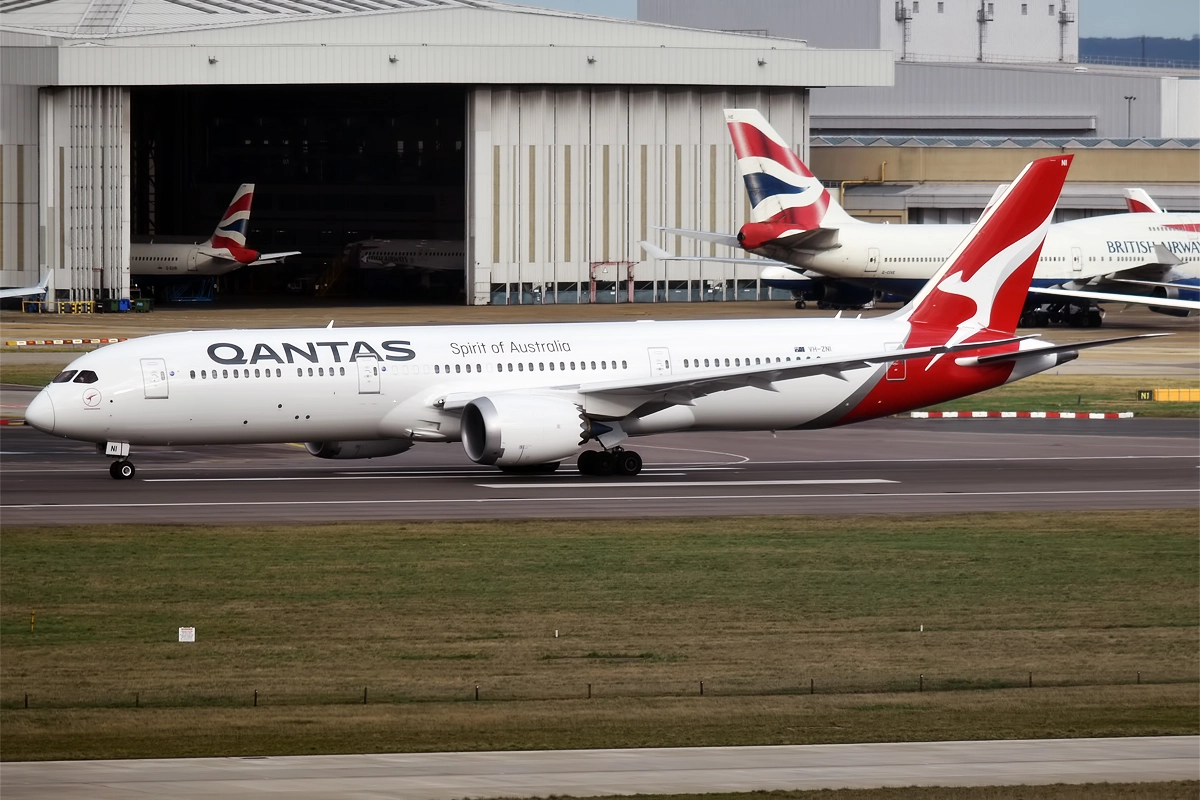
SYDNEY- Qantas (QF) is preparing major network growth into India as upgraded aircraft make nonstop expansion possible across key markets, including Bengaluru Kempegowda International Airport (BLR), Delhi Indira Gandhi International Airport (DEL), and future city pairs under evaluation.
These plans align with the redeployment of Boeing 787 aircraft as Airbus A350-1000 and Airbus A321XLR deliveries progress.
Perth International Airport (PER) is expected to play a significant role in this expansion, offering new long-range opportunities once fleet changes are complete.
The strategy follows strong performance on the airline’s current direct routes from Sydney Kingsford Smith Airport (SYD) and Melbourne Tullamarine Airport (MEL) to India.
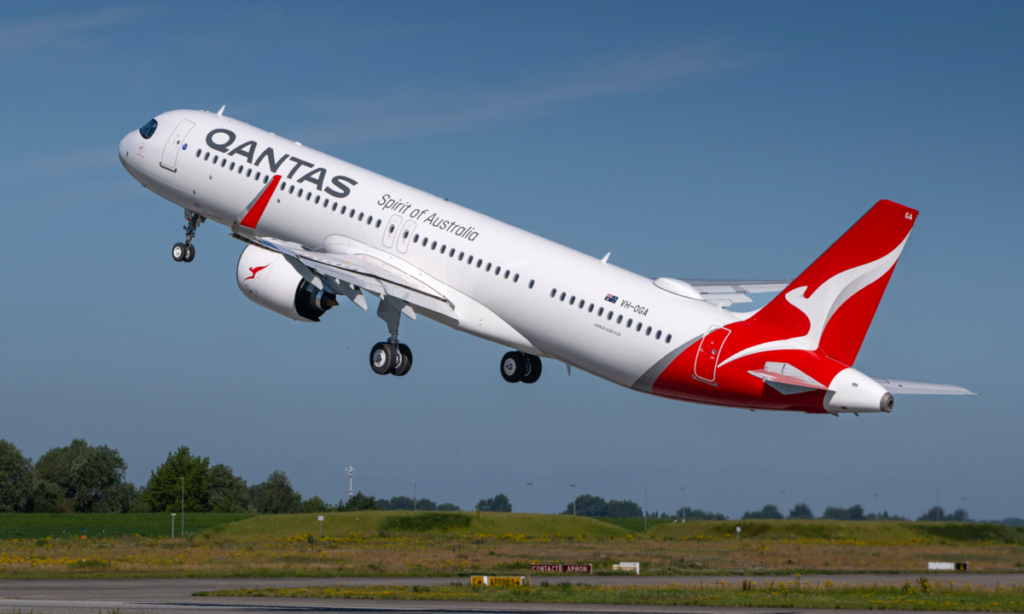 Photo: Qantas
Qantas Plans India Flights
Qantas (QF) is restructuring its long-haul fleet to enable higher efficiency and longer operating range. The carrier currently deploys Airbus A330-200 and A330-300 aircraft on India routes and holds a total of 28 A330s.
However, Qantas International Chief Executive Officer Cam Wallace explained in an interview with David Flynn at Executive Traveller that these aircraft do not provide the optimal configuration for the India market.
As Airbus A350-1000 aircraft join the fleet for Project Sunrise, Qantas expects to free both existing and newly acquired Boeing 787 Dreamliners for redeployment.
According to Simple Flying, the strategic redeployment of the 787 fleet is central to enabling more non-stop connectivity between Australia and India.
Perth International Airport (PER) is positioned to serve as a hub for new A321XLR-operated services into India and Sri Lanka.
Business class seats with lie-flat configuration are planned from 2028, supporting premium traffic on long-duration services.
This aligns with the Perth Airport Central precinct development, valued at more than AUD 5 billion (approximately $3.27 billion), which will consolidate domestic and international operations under one terminal system to streamline connections and increase transit efficiency.
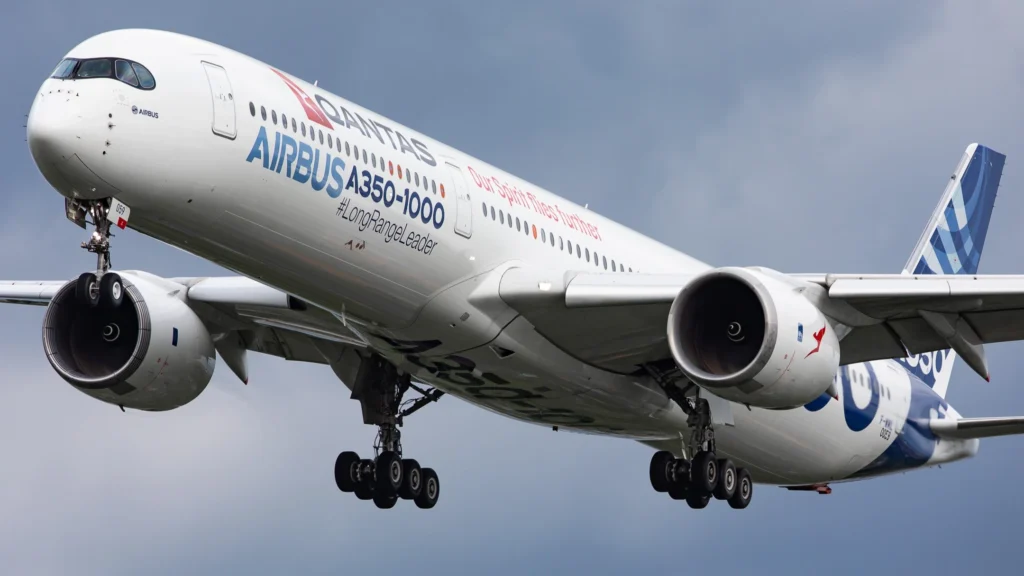 Photo: Clément Alloing
India’s Growing Market Presence
Today, Qantas operates two nonstop routes between Australia and India: Sydney (SYD) to Bengaluru (BLR) and Melbourne (MEL) to Delhi (DEL), both operated with Airbus A330 aircraft.
India remains one of the most important international markets for the airline, supported by a codeshare agreement with IndiGo (6E) that enables Qantas Frequent Flyer earning on up to 11 domestic routes from BLR and DEL.
Qantas faces indirect competition from Singapore Airlines (SQ), Emirates (EK), Qatar Airways (QR), and Malaysia Airlines (MH), reinforcing the airline’s focus on non-stop connectivity.
Additional direct competition includes Air India (AI), while SriLankan Airlines (UL) connects Colombo to both Sydney and Melbourne.
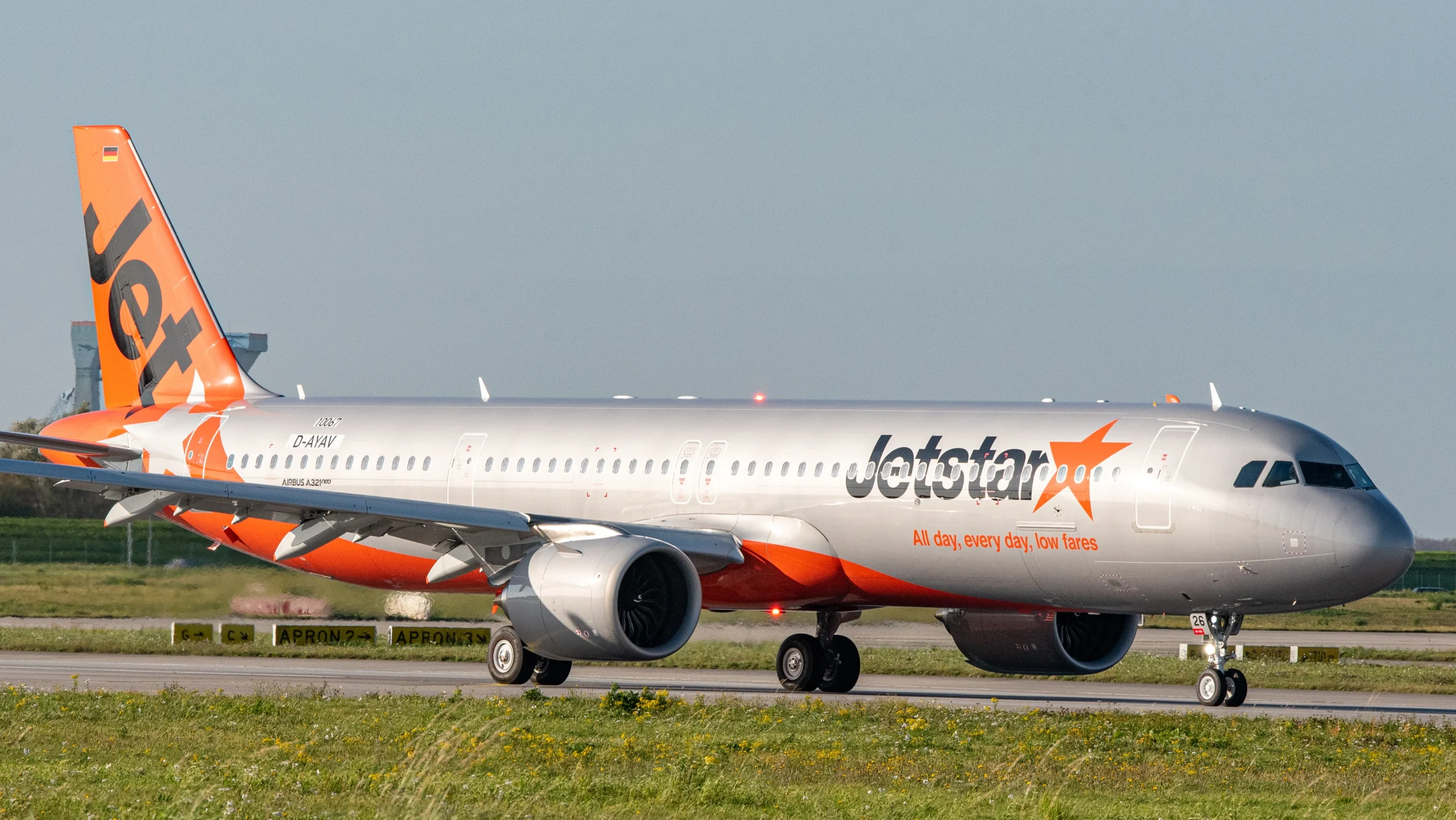 Photo: jetstar
Jetstar’s Role in Expansion
Jetstar, Australia’s second-largest airline and part of the Qantas Group, is expected to support this expansion through a complementary dual-brand approach.
The low-cost carrier is retrofitting its Boeing 787 fleet with dedicated crew rest areas, enabling flights with up to 16 hours of range.
This upgrade positions Jetstar to operate direct services to India and Sri Lanka from Sydney, Melbourne, and Perth.
Jetstar currently flies its 787s to regional Asian destinations, including Singapore, Bangkok, Phuket, Ho Chi Minh City, Tokyo, and Seoul.
The introduction of the Airbus A321XLR has already enabled new non-stop services from Perth to Manila and from Brisbane to Cebu.
These developments allow Qantas and Jetstar to target both premium and price-sensitive traveler segments while expanding total market coverage across the Australia–India corridor.
Stay tuned with us. Further, follow us on social media for the latest updates.
Join us on Telegram Group for the Latest Aviation Updates. Subsequently, follow us on Google News
Stay tuned with us. Further, follow us on social media for the latest updates.
Join us on Telegram Group for the Latest Aviation Updates. Subsequently, follow us on Google News