
An Age sports journalist has been left red-faced after publishing an unsubstantiated report claiming that London-based streaming giant DAZN was seeking to reduce the cost of its AFL streaming rights—a claim the company has categorically rejected.
The controversy has raised a larger question inside the media industry: was the Age being used to test the market ahead of the next wave of major Australian sports rights negotiations?
AFL & NRL Rights Now Among the Most Expensive in Australian Media
The stakes are enormous.
The AFL’s current broadcast deal—shared between Foxtel and Seven—is worth $4.5 billion over seven years, running until 2031, making it the richest sport rights agreement in Australian history. Annualised, the deal is valued at roughly $643 million per year, with Foxtel paying the larger share.
By comparison, the NRL’s current broadcast contract (with Nine, Foxtel and Sky NZ) is worth around $2.3 billion over the five years to 2027—or approximately $460 million per year.
The 2027–2032 NRL rights cycle is expected to exceed this, with insiders predicting a figure north of $3 billion, driven heavily by streaming expansion and the NRL’s increasingly global ambitions.
This backdrop makes the Age’s DAZN report particularly sensitive.
Nine’s Involvement Raises Questions
The Age is owned by Nine Media, whose parent company, Nine Entertainment, is currently in a tense commercial battle with Foxtel parent-company DAZN over future sports rights.
Some industry figures believe the article may have been designed to influence perceptions heading into the NRL’s 2027 rights negotiations—where Nine, Foxtel–DAZN, Paramount, and Amazon are widely expected to compete.
Nine and Seven are both facing financial headwinds, prompting speculation about whether they will be able—or willing—to pay more for AFL broadcast rights when renegotiations begin for the 2032–2038 cycle.
The McClure Report
The original report, authored by The Age’s AFL journalist Sam McClure, relied on two anonymous media industry sources and claimed DAZN was unhappy with its AFL streaming arrangements.
What the story did not include:
any direct comment from DAZN
any direct comment from the AFL
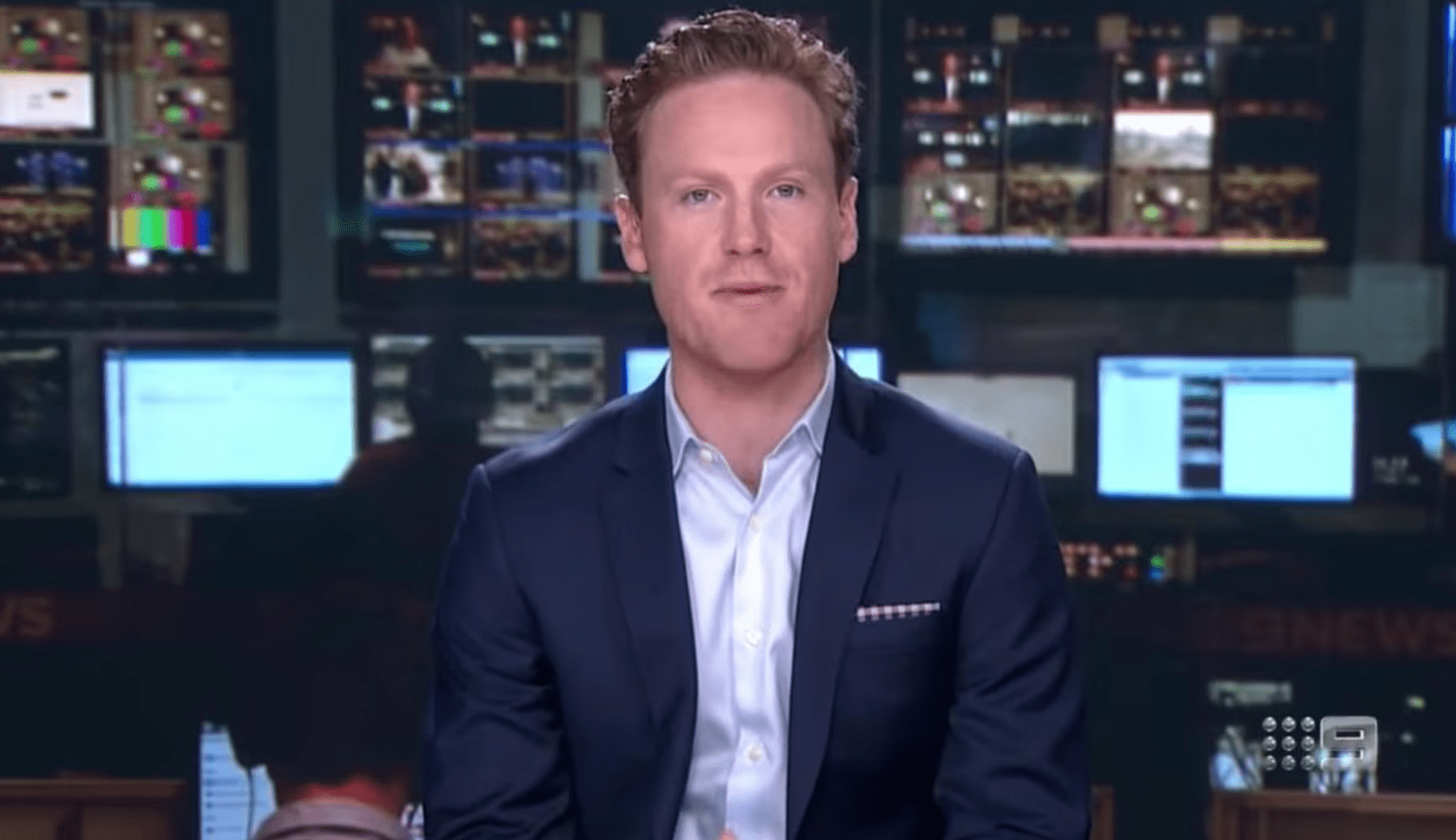
Sam McClure Age Sports Journalist
comment from Foxtel CEO Patrick Delany, despite Foxtel being the primary partner in the AFL rights deal.
According to The Australian, McClure emailed DAZN at 5:57am London time, giving the company just over two hours to respond before publishing at 7:57am—prior to the start of the business day.
DAZN Responds—But The Age Doesn’t Update
DAZN swiftly issued a blunt public rejection.
“We categorically refute any claims we are unhappy with Foxtel’s AFL deal,” a spokesperson said. “We stand by Foxtel’s commitment to the AFL and fully support continued growth of the partnership.”
Despite receiving the statement, McClure did not add it to the article, though the headline was quietly altered.
Nine Media has not said whether Nine Entertainment management discussed the story with McClure prior to publication.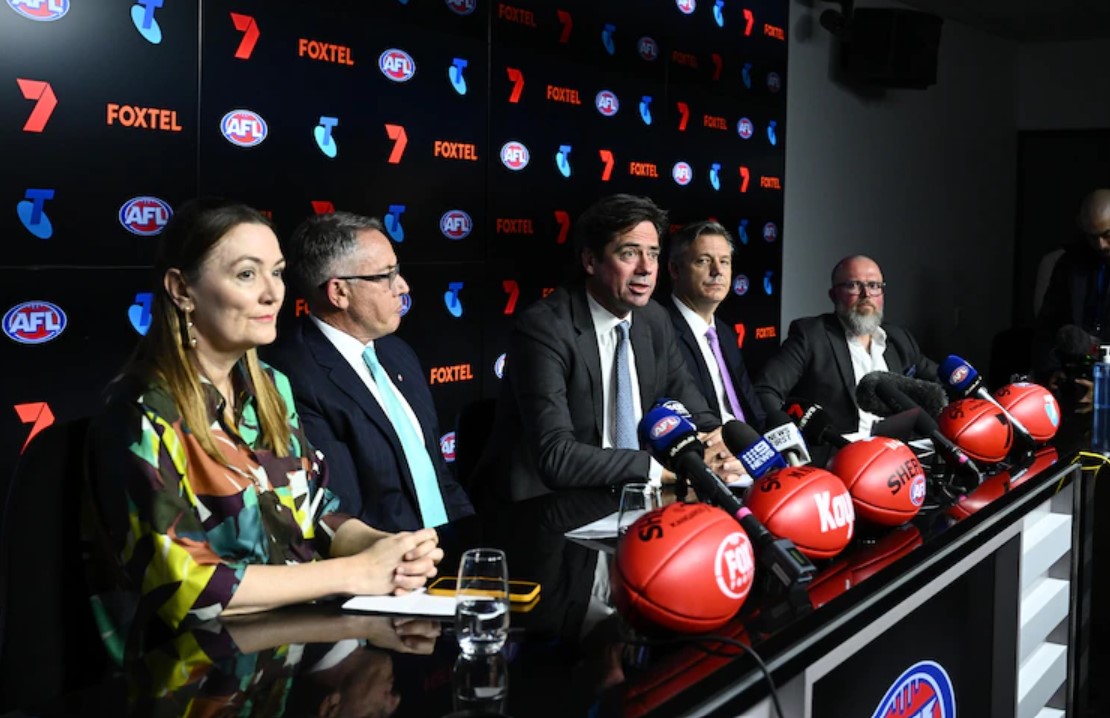
Industry Suspicions Grow
Some observers believe the unnamed sources may be connected to Nine Entertainment itself—a theory fuelled by the proximity of the report to the upcoming 2027 NRL rights battle.
The timing also intersects with growing financial pressure on free-to-air networks. Seven and Nine are both wrestling with soft advertising markets and declining linear audiences, raising fears within the AFL that future rights revenue may plateau or even fall after the current record-breaking agreement ends in 2031.
These concerns are heightened by the limited interest from global streamers such as Apple, Amazon, Google and Paramount, who view AFL as a largely domestic sport offering limited international upside compared with global properties like soccer, the NFL, or UFC.
DAZN’s Financial Backing Strengthens
McClure’s article highlighted that DAZN investor Sir Leonard Blavatnik recently injected $891 million into the company following a financial loss.
Access Industries, Blavatnik’s investment vehicle, has poured more than $11 billion into DAZN over the past decade as it expands into major markets—most recently through the Foxtel acquisition.
Left out of the report was the fact that Saudi Arabia’s Public Investment Fund (PIF) also holds a strategic stake in DAZN, further bolstering its capital position.
Why DAZN Matters for the NRL
NRL executives see DAZN as crucial to the league’s global growth strategy. The NRL has big plans for 2027, including nine matches played in major global cities such as London, Dubai and Hong Kong.
Unlike Nine, DAZN already operates a scalable international streaming platform capable of delivering NRL content globally.
AFL Ratings, Network Pressure & Industry Optics
The controversy comes as Nine’s domestic ratings continue to weaken.
New data confirms that Seven has outperformed Nine for the fifth straight year, securing a 29.4% audience share in the 2025 ratings year, edging out Nine’s 28.7%.
ABC (21.5%), Ten (12.6%) and SBS (7.7%) rounded out the field.
The Age Stands By Its Story
When contacted by The Australian, Age editor Patrick Elligett defended McClure’s report, saying he remained “confident in the accuracy of the story” and insisted Foxtel’s position was featured prominently.
However, as of Sunday evening, McClure’s online article still did not include DAZN’s official statement rejecting the claims.