
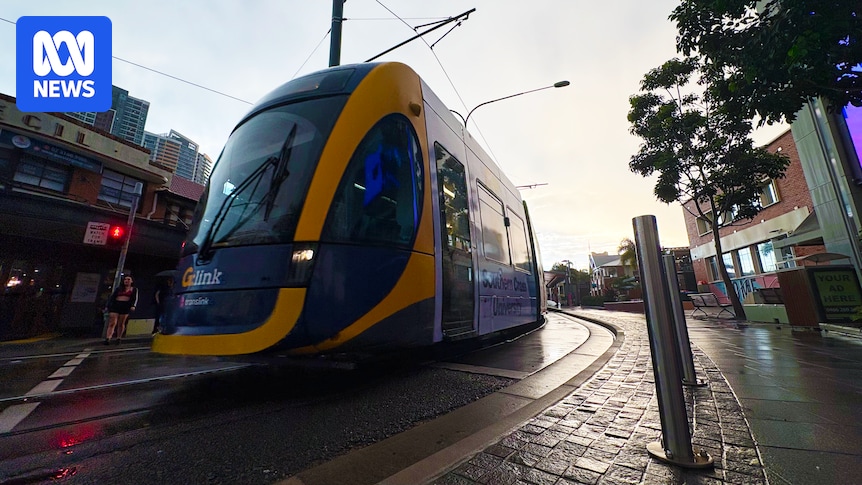
The Gold Coast council describes it as a “pivotal stage” in the city’s maturity, but many motorists would call it gridlock.
More than 340,000 additional people will call the Gold Coast home within the next two decades, bringing its total headcount to 1 million.
But the city remains adverse to public transport, according to council data, with 88 per cent of all trips taken in cars, which carry, on average, just one person.
Council estimates that achieving free-flowing traffic would require building 16-lane roads in some areas, something urban planners consider unrealistic.
“People tend to cling to that idea, but add a lane and the lane will fill up,” Bond University’s associate professor Daniel O’Hare said.
“The M1 has been adding lanes and upgrading on ramps and off ramps for the last 30 years and they keep filling up.”
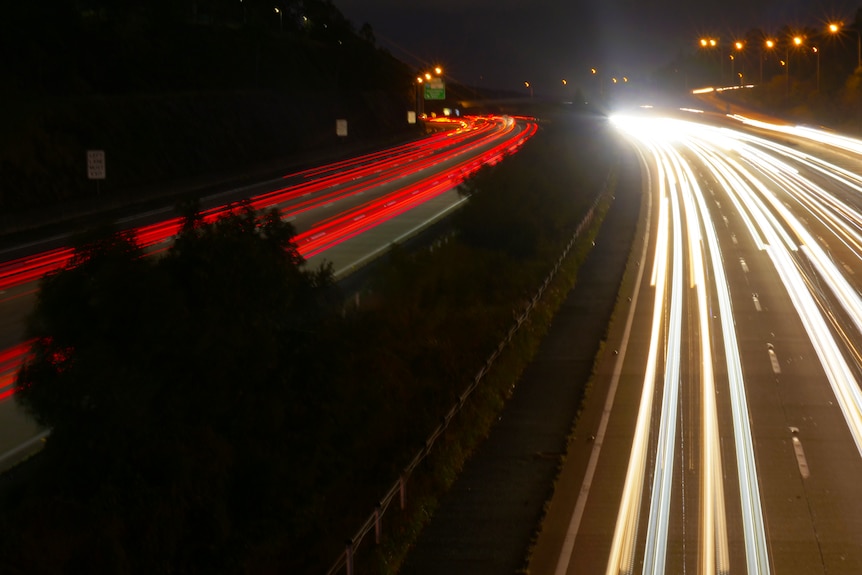
A council report found the M1 would need to be up to 26 lanes wide to maintain current levels of congestion in the future. (ABC News: Dominic Cansdale)
But a recent report to the city council warns that “without change, congestion, lost productivity, and reduced quality of life will become defining challenges”.
“The Gold Coast is at a turning point,” the report states.
‘Fuel demand for more cars’
The population has jumped from 420,000 to about 700,000 over the past 25 years.
That has triggered a boom in the construction of high-rises along the coast, while in the city’s north, entire new suburbs have been built on what was once bushland.
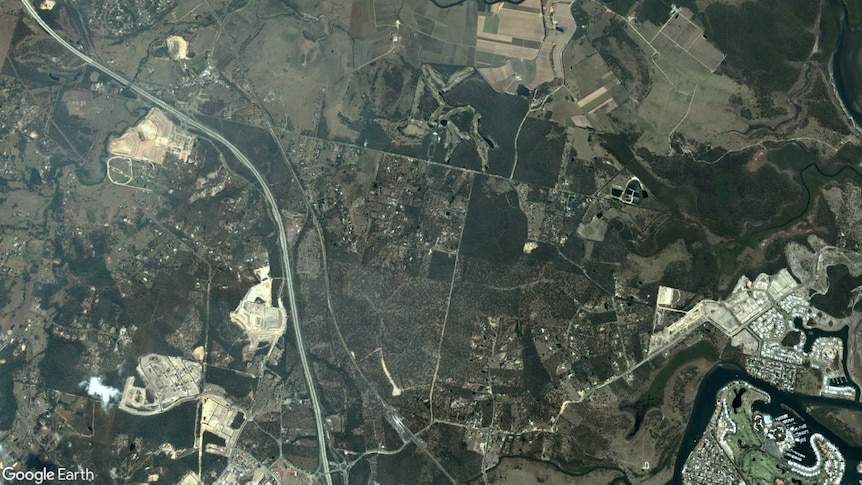
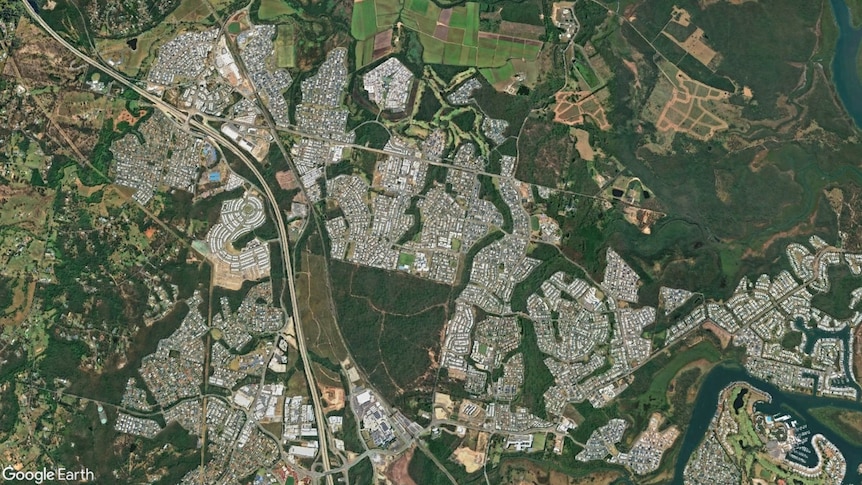
Barely 3,000 people lived in Pimpama in 2011, that has since surged 700 per cent to more than 24,000.
But Dr O’Hare said the construction of these sprawling housing estates outpaced public transport, with a long-awaited train station only opening this year.
“That has set in place a quite car-dependent layout for Pimpama,” he said.
“We just fuel the demand for more cars.”
Despite improvements around light rail, growing outer suburbs with less frequent bus services have kept public transport rates stagnant, according to the council report.
Just 3 per cent of all Gold Coast trips are taken on public transport.
To maintain current levels of congestion, that would need to increase ninefold over the next 20 years.
Punctuality and reliability
About one-in-10 buses do not run on time, according to Translink data.
By comparison, 96 per cent of trams and 99 per cent of trains run on time.
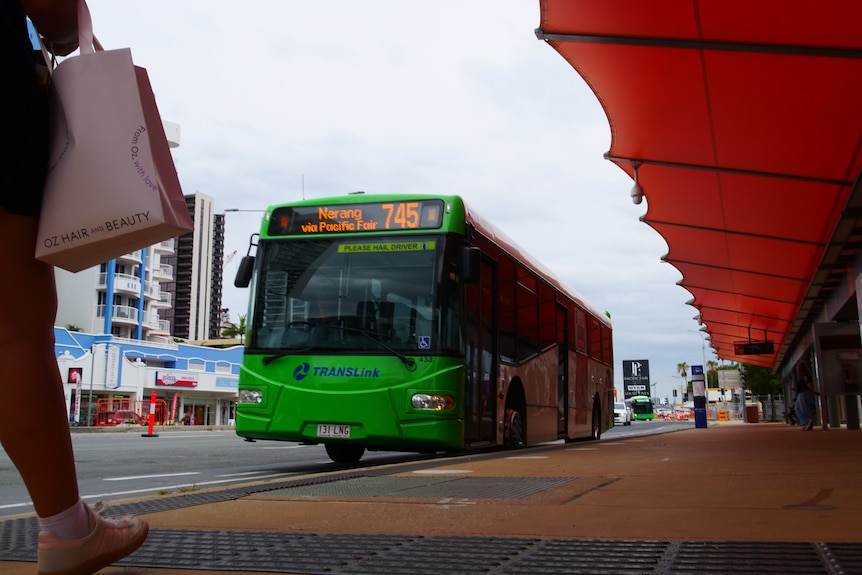
Just 3 per cent of all Gold Coast trips are on public transport, well below the 2031 target of 12 per cent. (ABC Gold Coast: Dominic Cansdale)
“Where people turn up expecting a bus within the next 15 minutes and find themselves waiting in the hot sun or rain for half an hour, the next time around, they may decide to take the car,” Dr O’Hare said.
He said a faster and more frequent Brisbane-style metro network would encourage people to leave the car at home.
“Critical ones are between Robina Town Centre across to Broadbeach,” he said.
“Another critical one would be between Broadbeach, across to Carrara’s stadium area, across to Nerang station and Nerang town centre.”
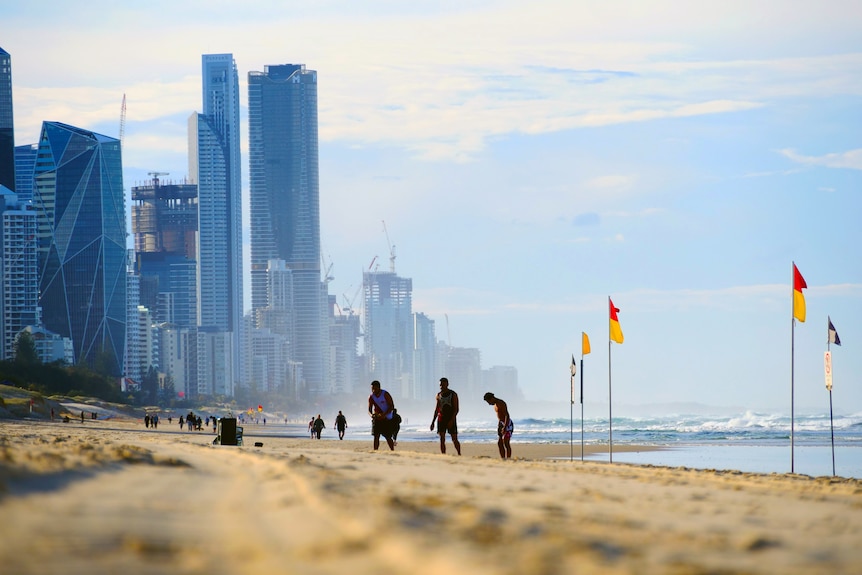
The Gold Coast’s iconic beachside skyline continues to grow. (ABC News: Dominic Cansdale)
Dr O’Hare said that would require significant state government investment to build dedicated bus lanes; otherwise, the buses would get “stuck” in car traffic.
But there is a big challenge.
“There’s still a lot of anti-public transport sentiment around,” he said.
‘Struggling to adapt’
In the 60s, a train line running all the way to Tweed Heads, south of the NSW border, was ripped up as the Gold Coast entered a “motoring era”.
“It was based on the idea that you’d get a house, land and car package,” adjunct professor of planning at Griffith University Matthew Burke said.
But as the city builds more apartments to house its growing population, Dr Burke said the legacy of this “unsustainable way of travelling” remains.
“The problem is political will, and the problem is a community that, in a car-owning democracy, is often resistant to change,” he said.
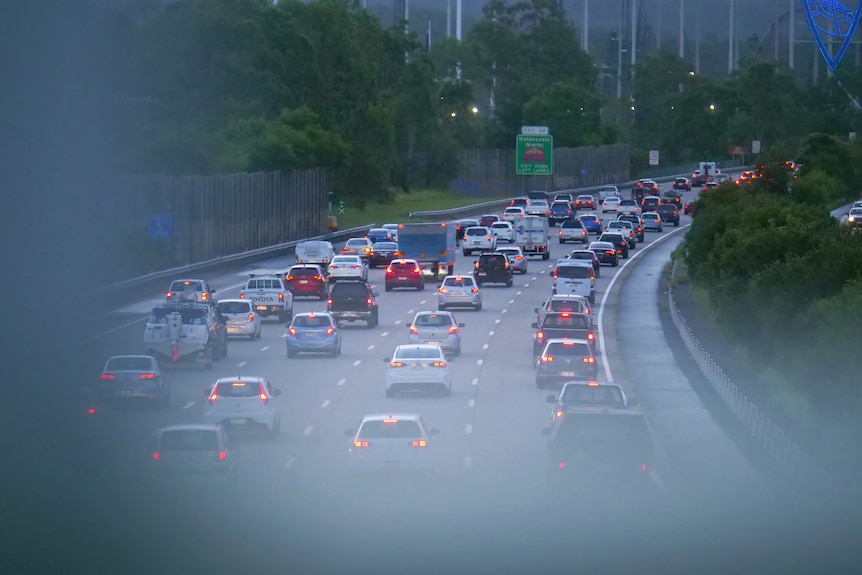
Congestion along the M1 Highway during peak hour on the Gold Coast. (ABC Gold Coast: Dominic Cansdale)
“People would like everyone else to use public transport and make the streets clear for them.”
Dr Burke said the state government’s decision to axe the next stage of light rail, connecting Burleigh to Coolangatta, shows how the city is “struggling to adapt”.
Deputy Premier Jarrod Bleijie cited community opposition and potential cost blowouts for the decision in September.
A review of the project found building a rapid bus system instead — with dedicated lanes for larger, faster metro-style buses — would not be feasible.
It would require new bridges, major property resumptions and a Burleigh Heads bus depot, which the state government has repeatedly ruled out.
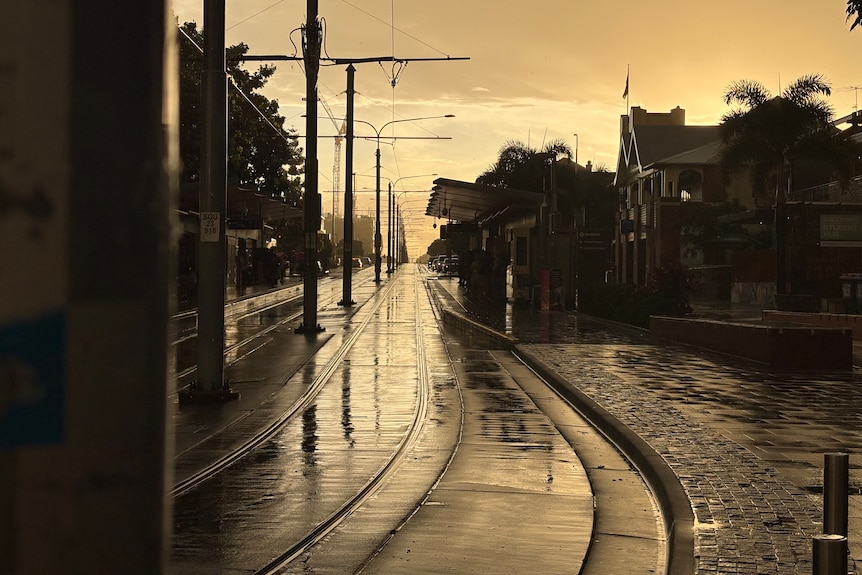
Multi-billion-dollar plans to extend the light rail south from Burleigh Heads to Coolangatta were scrapped in September. (ABC Gold Coast: Dominic Cansdale)
Speaking at a council meeting last week, Deputy Mayor Mark Hammel said he hopes a state government review of transport infrastructure will help reduce car-dependency.
“No-one is suggesting that a tradie who needs their ute use public transport,” he said.
“But a genuine option can and quite frankly must be given to the majority of residents in our city to allow long-term behaviour change as we approach one million people and beyond.”