
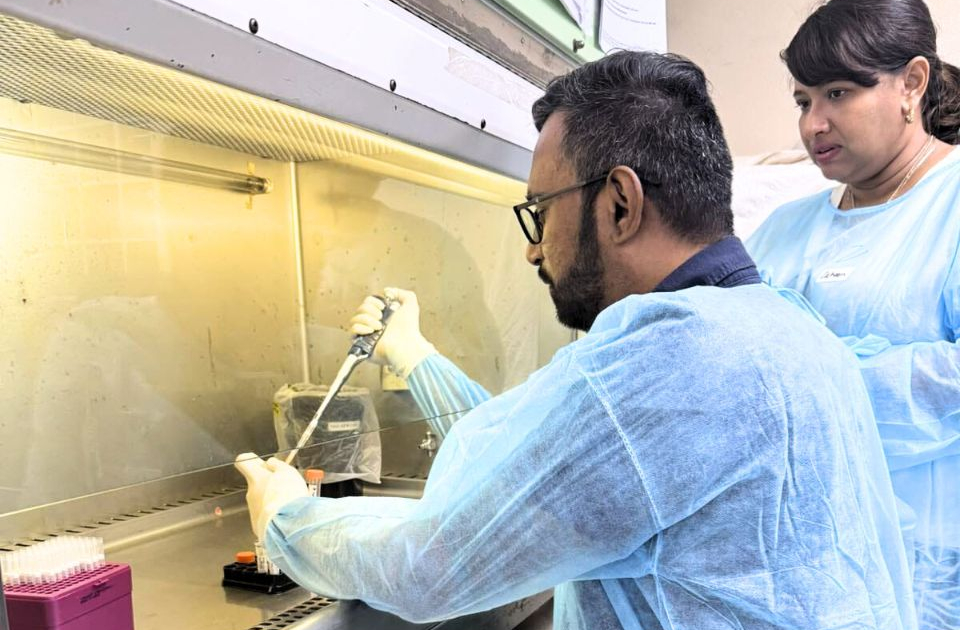
Amid one of the fastest-growing HIV outbreaks in the world, Fiji is mobilising rapidly to expand testing, treatment and prevention to safeguard its communities.
Supporting this urgent locally managed and led national response, the Doherty Institute is working in close partnership with the Fiji Ministry of Health and Medical Services (MHMS), the Australian Government and regional partners to bolster early diagnosis, strengthen referral pathways and upgrade laboratory systems – essential measures to slow the outbreak across the Pacific.
According to the 2025 UNAIDS World AIDS Day Report, global progress has slowed largely because people are still diagnosed too late – a trend seen in Fiji – where delays in testing and late treatment initiation have contributed to the outbreak. This has been compounded by severe workforce shortages, with some laboratories run by just one scientist.
The University of Melbourne’s Professor Sharon Lewin, Director at the Doherty Institute, said the Institute remains committed to supporting Fiji and Pacific partners through evidence-based technical expertise, laboratory strengthening and long-term system improvements, funded through an extension of the Institute’s Strategic Partnership with The Australian Government Department of Foreign Affairs and Trade’s Centre for Health Security’s Partnerships for a Healthy Region initiative.
“Strengthening local capacity is not only essential, but it is also the foundation of our partnership approach. By working alongside Fiji’s Ministry of Health and our regional partners, we are helping to build a more resilient, sustainable HIV response for the Pacific,” said Professor Lewin.
Earlier this year, Doherty Institute scientists validated a new fourth-generation HIV assay, enabling significantly earlier detection of infection. Fiji moved quickly, adopting the test within just two to three months.
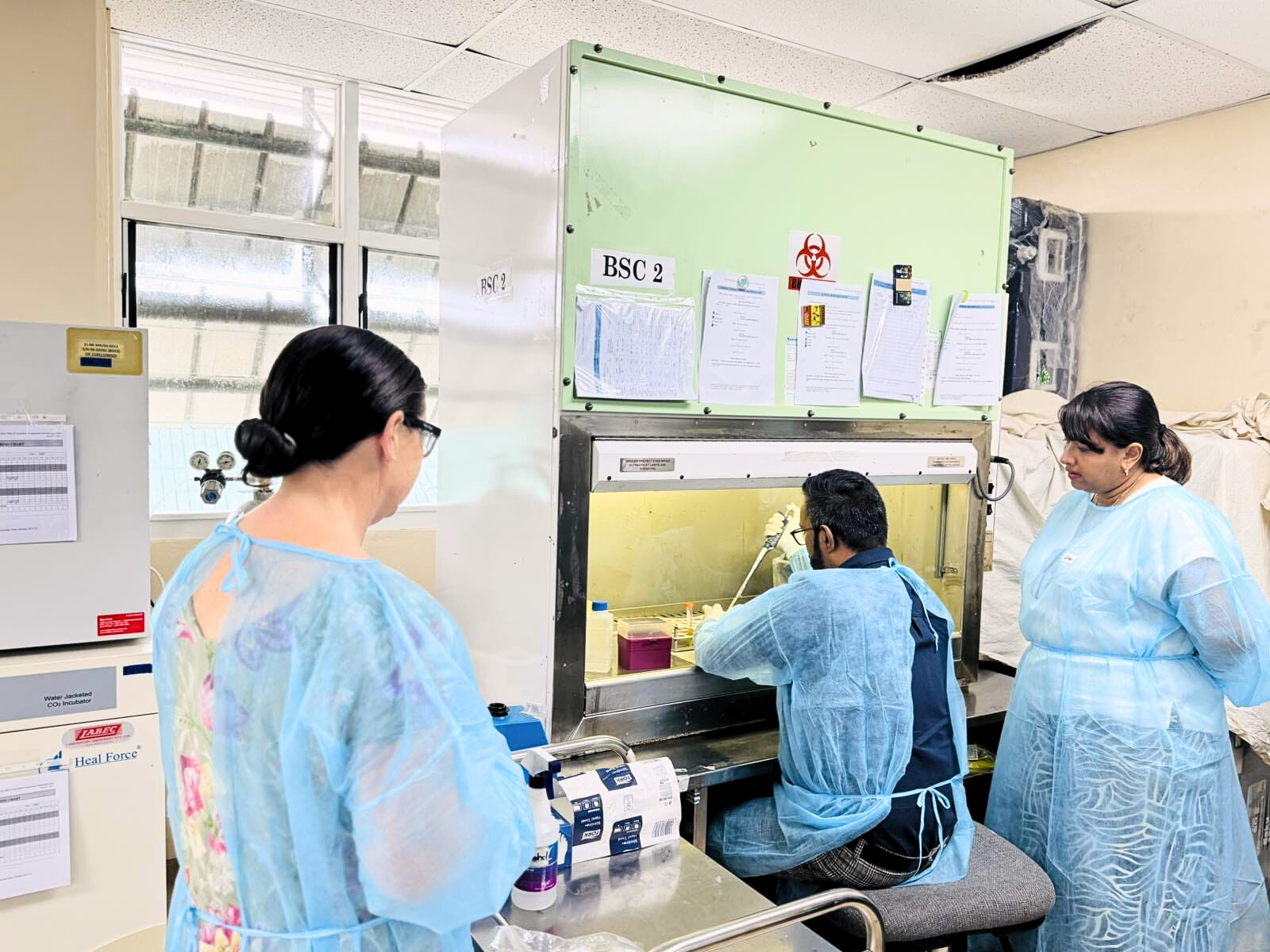
“Earlier detection means people can begin antiviral treatment sooner, reduce onward transmission and dramatically improve health outcomes,” add Professor Lewin.
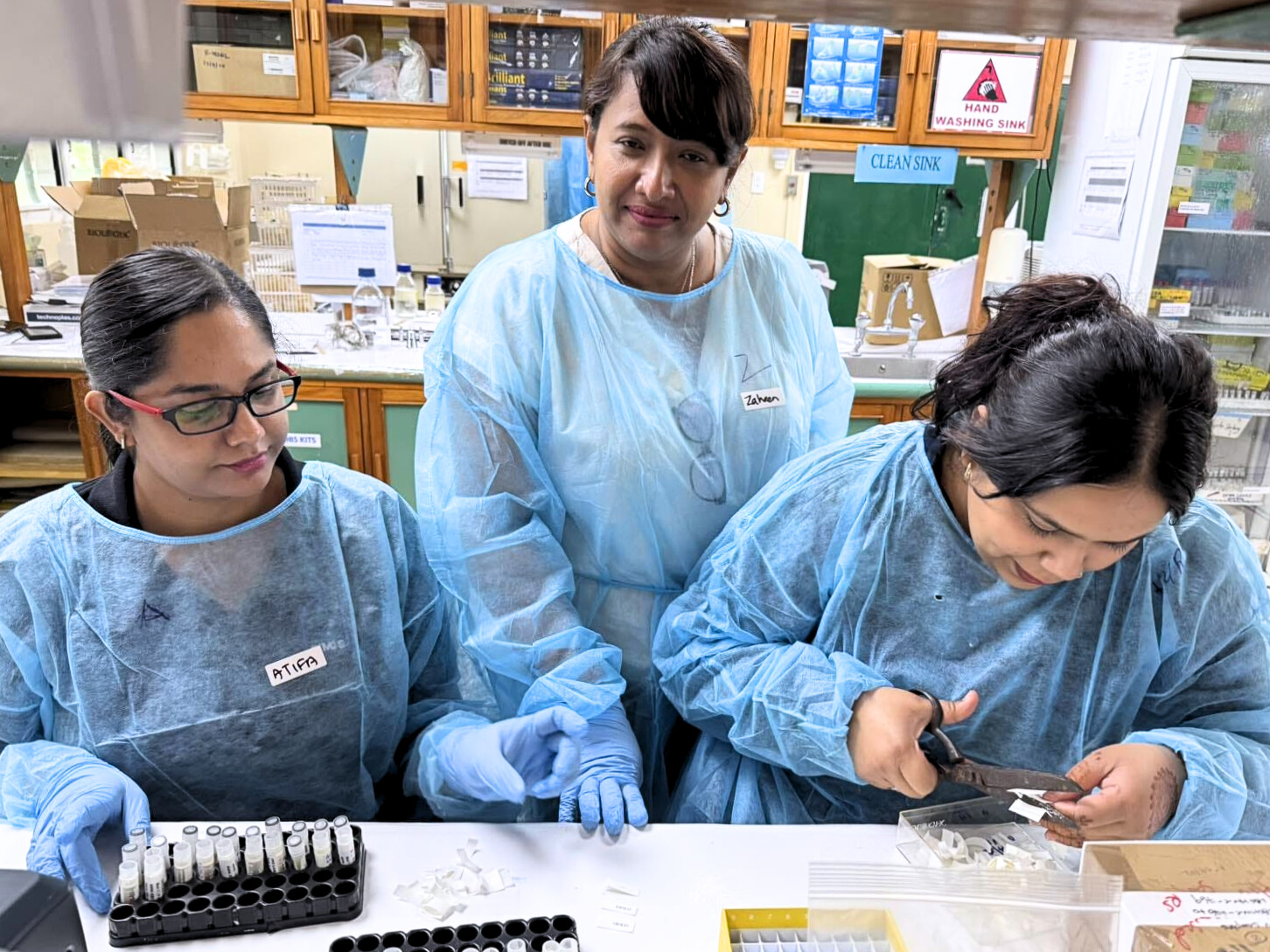
The Institute is now supporting the expansion of access to high-quality diagnostic services across primary health centres, outreach sites and remote areas. This includes decentralised point-of-care testing and the development of a new national testing policy to ensure consistent quality nationwide.
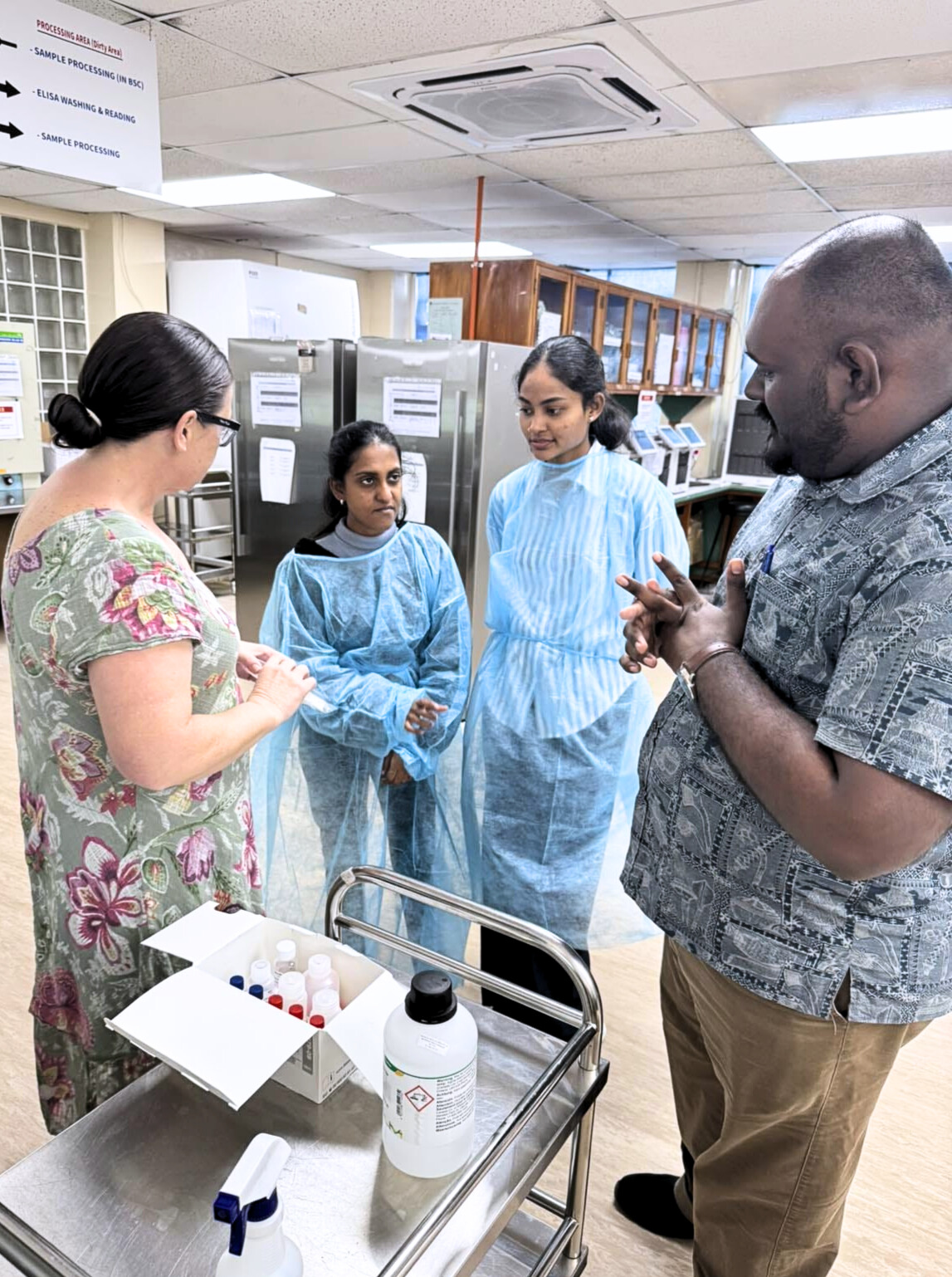
Alongside diagnostic improvements, the Doherty Institute is working with the Fiji MHMS to strengthen national HIV referral pathways, including within antenatal care, for prevention of transmission of HIV from mother to baby and to support Fiji’s pathway to triple elimination. Implementation and clinician training will begin in early 2026, in conjunction with key partners.
Alongside broader national and regional investments, the Doherty Institute is working within a strong partnership network, including ASHM, the Kirby Institute, Health Equity Matters, Beyond Essential Systems, UNDP, IPPF, UNAIDS and Fijian local clinical partners, to support the country’s HIV response.
World AIDS Day momentum: Fiji and Australia prioritise early HIV diagnosis
In the past week, new investments from the governments of Australia and Fiji were announced ahead of World AIDS Day, reinforcing a shared commitment to early testing, early treatment and resilient health systems.
Today, Fiji received a shipment of rapid HIV test kits, funded jointly by Fiji’s MHMS and the Australian Government and procured through the UN Development Programme (UNDP).
Arriving at a critical moment in the outbreak, the kits will immediately support sexual and reproductive health clinics in Suva, Lautoka and Labasa, as well as community-based and peer-led testing services.
At the handover event in Suva, where Fiji commemorated World Aids Day under the theme “Healthy Islands, Healthy Futures”, Fiji’s Minister for Health and Medical Services, Hon Dr Atonio Rabici Lalabalavu, highlighted why early diagnosis is central to protecting communities.
“In Fiji, health is not just personal, it is communal. When someone is diagnosed too late, the whole family and vanua carry the burden. These test kits strengthen our ability to find infections early and protect our people,” said Hon Dr Lalabalavu.
Australian High Commissioner to Fiji, His Excellency Peter Roberts, reiterated Australia’s commitment and stressed that timely testing is essential to bringing the outbreak under control.
“When testing happens early, people live longer, families stay stronger and communities stay safer. These test kits are one part of that shared effort.”
A second shipment of HIV medicines, fully funded by MHMS and procured by UNDP, is also scheduled to arrive this week to ensure treatment continuity.
New Australian Government investment: $48 million for Pacific HIV responses
Last Thursday, the Australian Government announced a new $48 million regional program to help Pacific nations to bolster disease surveillance and contain the spread of HIV through nationally led public health responses.
“Australia is continuing to work with our Pacific partners to reduce HIV transmission and support people living with HIV,” said Minister for Foreign Affairs Penny Wong.
Rising HIV cases, alongside co-infections such as tuberculosis, continue to strain Pacific health systems and economies. The COVID-19 pandemic has underscored how quickly communicable diseases can cross borders and impact communities.
“As a member of the Pacific family, we will always be ready to support local leadership and community-led responses to HIV in the region,” added Minister for Pacific Island Affairs Pat Conroy.
As Fiji continues to face a rapidly evolving outbreak, collaborative efforts demonstrate a united commitment to early diagnosis, fair access to healthcare and strengthening health systems across the Pacific. This momentum will be vital in safeguarding communities now and into the future.