
The federal government has unveiled a sweeping overhaul of the Department of Defence as it struggles to fight cost blowouts and major project delays while ramping up spending on the military.
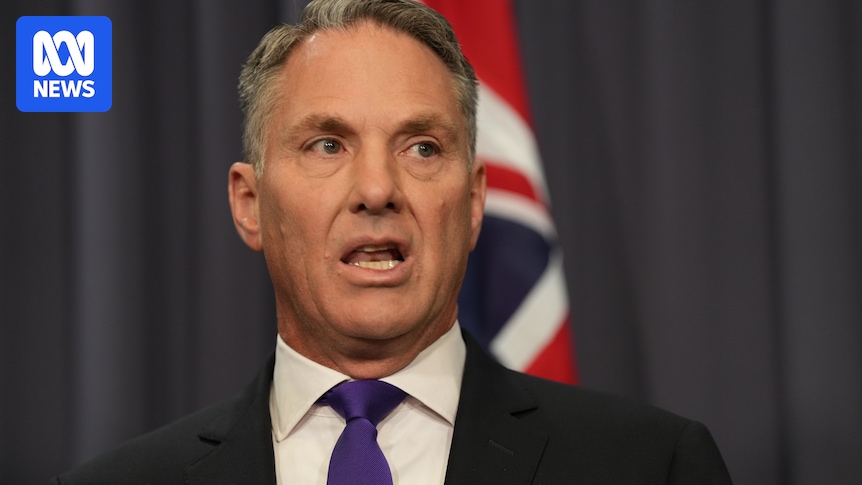
Defence Minister Richard Marles has announced a dedicated independent agency will be established to prioritise delivering projects on time and within budget.
It is the biggest reform to the Australian Defence Force organisation in 50 years.
The ABC has confirmed that three groups within Defence — the Capability Acquisition and Sustainment Group, the Naval Shipbuilding and Sustainment Group and the Guided Weapons and Explosive Ordnance Group — are set to be rolled into one entity, the Defence Delivery Agency (DDA).
Mr Marles said it was about “more bang for buck” and “improving the quality of the defence spend”.
“It will make sure that as we spend more money in the defence budget, we are doing so in a way which sees programs delivered on time and on budget.”
The three groups are currently responsible for nearly 40 per cent of defence spending.
Mr Marles said the DDA would begin as the Defence Delivery Group on July 1, 2026, before transitioning to the independent Defence Delivery Agency on the same date a year later.
The agency would report to the Minister for Defence and the Minister for Defence Industry and be headed by a new position — the National Armaments Director.
The government has long flagged the restructure, with Defence Minister Richard Marles criticising the department’s performance in June, declaring “everything was on the table” when it came to reform.
Defence must get better at managing big, expensive projects, chief says
Mr Marles said the reforms were not about job cuts, and the same amount of people that make up the three groups — around 6,500 people — will be moved to the DDA.
But the government has repeatedly made it clear that it wants more “accountability” from top Defence officials when it comes to delivering sophisticated military capabilities and platforms, with Defence Industry Minister Pat Conroy flagging last week the government would make new announcements “shortly”.
In June, Mr Marles bemoaned that there were “28 different projects running a combined 97 years over time” when Labor first came to office.
“Now that did represent a failure of leadership on the part of the former Coalition in government, but it also says something about the challenge which is in front of us now to ensure that the defence establishment is fit for purpose to achieve this delivery outcome,” he said.
Defence currently has a budget of almost $60 billion a year but that figure is set to rise to about $100 billion annually by 2034, as China continues to rapidly build up its military and the Trump administration presses allies such as Australia to ramp up defence spending.