

The UK’s E-Bike Positive campaign will be jointly adopted by the Bicycle Association (BA) and the Association of Cycle Traders (ACT) from 1 January 2026, in a move intended to shift the initiative from a brand-led campaign into longer-term industry stewardship.
E-Bike Positive was first initiated by Bosch eBike Systems and launched in August 2024 through the Electric Bike Alliance, a partnership between Bosch, the BA, the ACT and Cycling UK. Cycling Electric covered that launch at the time, when the campaign positioned itself as a national consumer education push around e-bike safety, legality and responsible buying (E-Bike Positive campaign: to better educate e-bike buyers).
The core message has remained consistent: e-bikes are a practical, low-cost way to travel, but consumers need clear guidance on what counts as a legal, compliant e-bike—and why certain aftermarket batteries, chargers and conversion kits can carry higher risk if they’re poor quality, mismatched or incorrectly installed. From 2026, BA and ACT say they will build on that foundation by evolving E-Bike Positive into a broader “assurance” initiative, designed to steer the public towards reputable retailers and trustworthy products.

Why the campaign is changing hands
In the embargoed announcement, the organisations describe the handover as the next logical step for a campaign that was always intended to become industry-wide and independent. While Bosch helped originate and grow the initiative, the new arrangement places day-to-day guardianship with the two trade bodies that represent much of the UK cycling supply chain and retail network.
Steve Garidis, Executive Director of the Bicycle Association, said the BA was “delighted” to adopt E-Bike Positive alongside the ACT, describing it as an “ideal umbrella” for cross-industry work to promote safe and legal e-bikes. Jonathan Harrison, Director of the Association of Cycle Traders, said the move enables the trade to launch a new assurance scheme under a banner that’s already recognised by consumers, while also thanking retailers who have supported the campaign so far.
Bosch, meanwhile, framed the change as the fulfilment of an original goal: to place the campaign into wider industry control. Chris Astle, UK Marketing Manager for Bosch eBike Systems, said collaboration will continue, particularly around battery safety education.
Related Articles
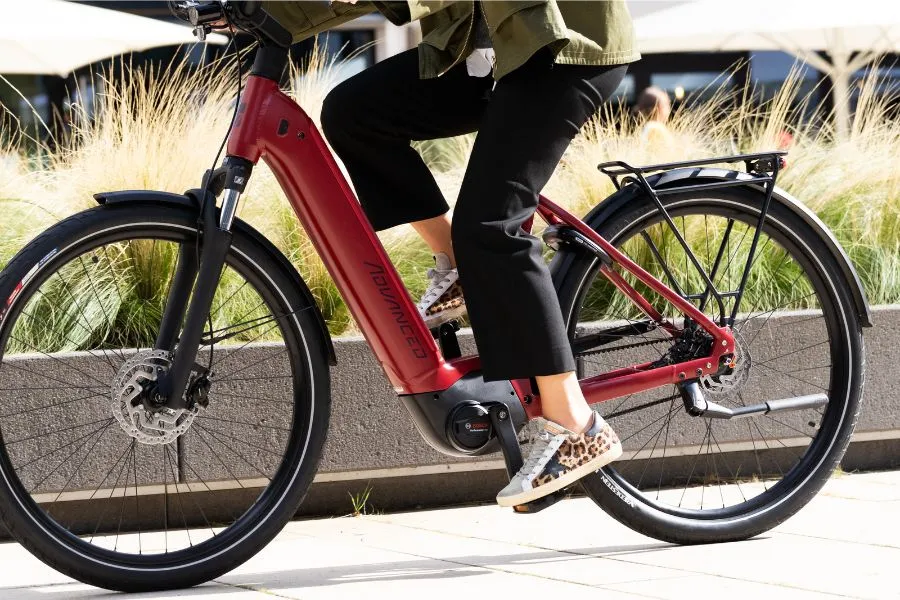
What “assurance” could mean in practice
The press release states that around 400 UK e-bike retailers have already backed the campaign by signing a pledge to only sell and repair legal e-bikes. That retailer-facing element is likely to become more important if E-Bike Positive develops into something closer to a recognisable trust mark or best-practice scheme—particularly as shoppers try to distinguish between specialist retailers and the increasingly busy mix of online marketplaces, grey imports and modified bikes being advertised as “e-bikes”.
For the Cycling Electric audience, the practical takeaway is simple: expect the campaign to stay visible, but with a clearer emphasis on “buying well” and spotting what’s compliant. If you want a refresher on what a UK-legal e-bike actually is—and where the legal line sits—you can start with our explainer on the regulations (Electric bikes and the law: E-bike rules and regulations).
Battery anxiety isn’t going away—so neither is the messaging
E-bike battery safety has become one of the most misunderstood parts of the category, particularly when news coverage treats every incident as an “e-bike fire” story without distinguishing between factory-built systems and heavily modified bikes using unknown batteries or chargers. Cycling Electric has repeatedly explored that nuance, including a wider look at where the risk narrative comes from and how it can be misrepresented (Are e-bike fires the threat we’re told they are?).
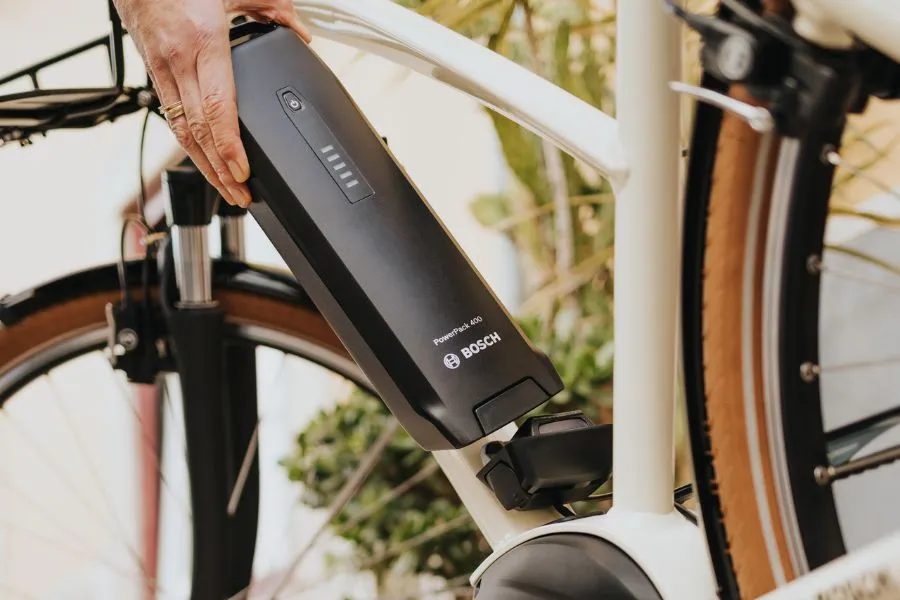
The campaign’s stated focus on the risks of aftermarket lithium-ion batteries, chargers and conversion kits also mirrors the direction of recent UK discussions around product standards and enforcement. If you’re looking for background on why conversion kits have been placed under the microscope, our report on lab testing and the pressure on that market is a useful place to begin (Unprecedented lab testing vindicates e-bikes of fire risk and piles pressure on conversion kit market). For retailers and workshops, we’ve also covered the growing emphasis on liability and insurance implications when working on converted bikes (Bike shops reminded “you are liable” when working on electric bike conversion kits).
For everyday owners, much of “battery safety” comes down to boring but important habits—using the correct charger, avoiding damaged equipment, and charging in a way that reduces risk at home. Cycling Electric has practical guidance on day-to-day charging routines as well as broader context on how major brands build safety into complete e-bike systems (E-bike batteries: How major brands guarantee your safety).
The bigger picture: protecting confidence in e-bikes
The BA/ACT stewardship arrives at a time when e-bikes sit at the centre of a tricky balancing act. On one hand, they’re one of the most effective tools the UK has for reducing car dependence on short trips and making cycling accessible to more people. On the other, public confidence can be undermined quickly when illegal or unsafe products circulate widely, or when “e-bike” becomes a catch-all label for bikes that are, in reality, closer to mopeds in performance and classification.
That’s where E-Bike Positive is trying to draw a clear line: normalising legal, factory-built e-bikes sold through reputable channels, while pushing back against the products and practices most likely to cause harm—and the headlines that follow. From 1 January 2026, the UK cycling industry will be putting its name directly behind that message.