

December 1, 2025 — 4:13pm
Save
You have reached your maximum number of saved items.
Remove items from your saved list to add more.
Save this article for later
Add articles to your saved list and come back to them anytime.
Got it
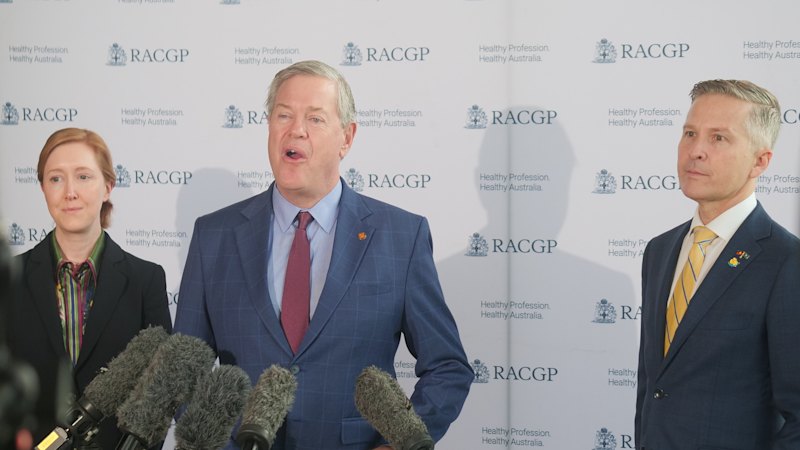
Queensland GPs can now diagnose and prescribe medication for adults with attention deficit hyperactivity disorder, saving patients hundreds of dollars, in a move described as life changing for people living with the condition.
Queensland Health Minister Tim Nicholls announced last month that GPs would be able to diagnose and manage the treatment of adults with ADHD – a condition marked by symptoms of inattention, hyperactivity and impulsivity – with the changes to come into effect from December 1.
Nicholls said almost 1000 GPs had enrolled for additional training to deliver ADHD care, from a cohort of 9000, since the announcement was made.
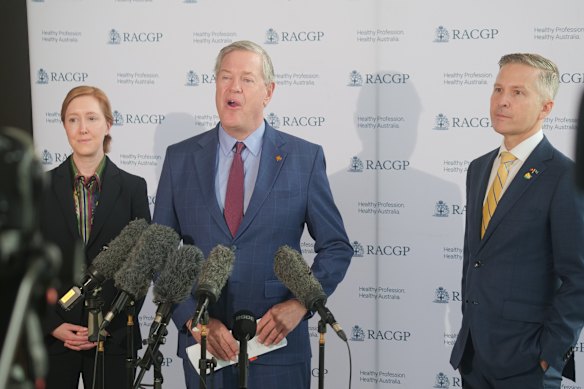 Queensland Health Minister Tim Nicholls announced the changes to ADHD care for adults at the RACGP conference in Brisbane last month. RACGP
“That’s a phenomenal result and shows just how much this service is both needed and how seriously GPs take the delivery of these services,” Nicholls said.
ADHD affects an estimated 1 million Australians, including more than 530,000 adults.
Related Article
Queensland GPs have been able to diagnose and treat children aged between four and 17 with ADHD since 2017.
Until now, adults seeking diagnosis have had to visit a specialist, usually a psychiatrist, with a referral from a GP.
Such specialist appointments can cost upwards of $1000 and incur waiting periods of up to a year, making care inaccessible for many people.
The Royal Australian College of General Practitioners (RACGP) estimates the new reform will save patients between $500 and $1400 a year in out-of-pocket expenses and expedite diagnoses.
The move has not been without criticism. A Brisbane-based GP who spoke to this masthead on the condition of anonymity said the process to identify ADHD was based on “vague inclusion criteria”, which could lead to a surge in false diagnoses.
They also expressed fears the change could trigger a potentially unethical rise in health experts providing diagnosis – and access to drugs – for payment.
“It’s being sold as a cheaper option to come and see a GP, but the market will absolutely adapt, so the GPs will then charge more because it’s a sought-after service,” they said.
BeyondGP director Dr Carmel Toole said that GPs were trained to recognise ADHD and often had more in-depth relationships with their patients than psychiatrists did. But she said the success of the scheme was dependent on access to training.
Related Article
“It’s complex for all parties concerned and training is vital,” Toole told 4BC Mornings.
“I think GPs and psychiatrists alike, while welcoming the ease of access for patients, are concerned about quality care in the absence of training.
“I’d like the general public to take a bit of a deep breath and allow their GPs time to find their feet with this and to access training.”
Nicholls said the scheme would be monitored in line with other states introducing similar changes.
“This hasn’t been done overnight. This has been done through collaboration over a lengthy period of time,” he said.
Start the day with a summary of the day’s most important and interesting stories, analysis and insights. Sign up for our Morning Edition newsletter.
Save
You have reached your maximum number of saved items.
Remove items from your saved list to add more.
From our partners