

Scotland’s monarch of the glen is in danger of being usurped by an invasive deer species. The sika deer, which is native to eastern Russia and east Asia, has a worse effect on woodland, breeds faster, and is harder to cull than the Scottish red.
The SNP’s nature bill, which is being debated in Holyrood, proposes more control of Scotland’s record deer population, but a new paper says that indiscriminate culls will hasten the sika’s takeover.
Scotland’s deer population is at an all-time high of almost one million, and has likely doubled in the last 35 years. According to a new paper by the environmental body Highlands Rewilding and the Karlsruhe Institute of Technology in Germany, the sika deer’s natural advantages mean it benefits from untargeted culls.
It takes about four times as long to cull a sika as a red deer because they are so vigilant and can crawl through gaps as low as 25cm. The tougher sika can tolerate the cold and wet Highland weather, and even if a quarter of their population were culled each year, they would breed enough to maintain their numbers.
On top of this, the native red and roe deer get nervous when the sika whistle during the mating season, putting them off their game.
Calum Brown, a scientist at Highlands Rewilding and a senior researcher at the Karlsruhe Institute, said: “We are deeply concerned that by managing all deer populations in the same way, we might inadvertently help the invasive non-native sika deer to outcompete our iconic native deer species: red and roe deer.
“While the problem of deer overpopulation in Scotland is widely recognised, we don’t want to see sika crowned the new ‘Monarch of the Glen’.”

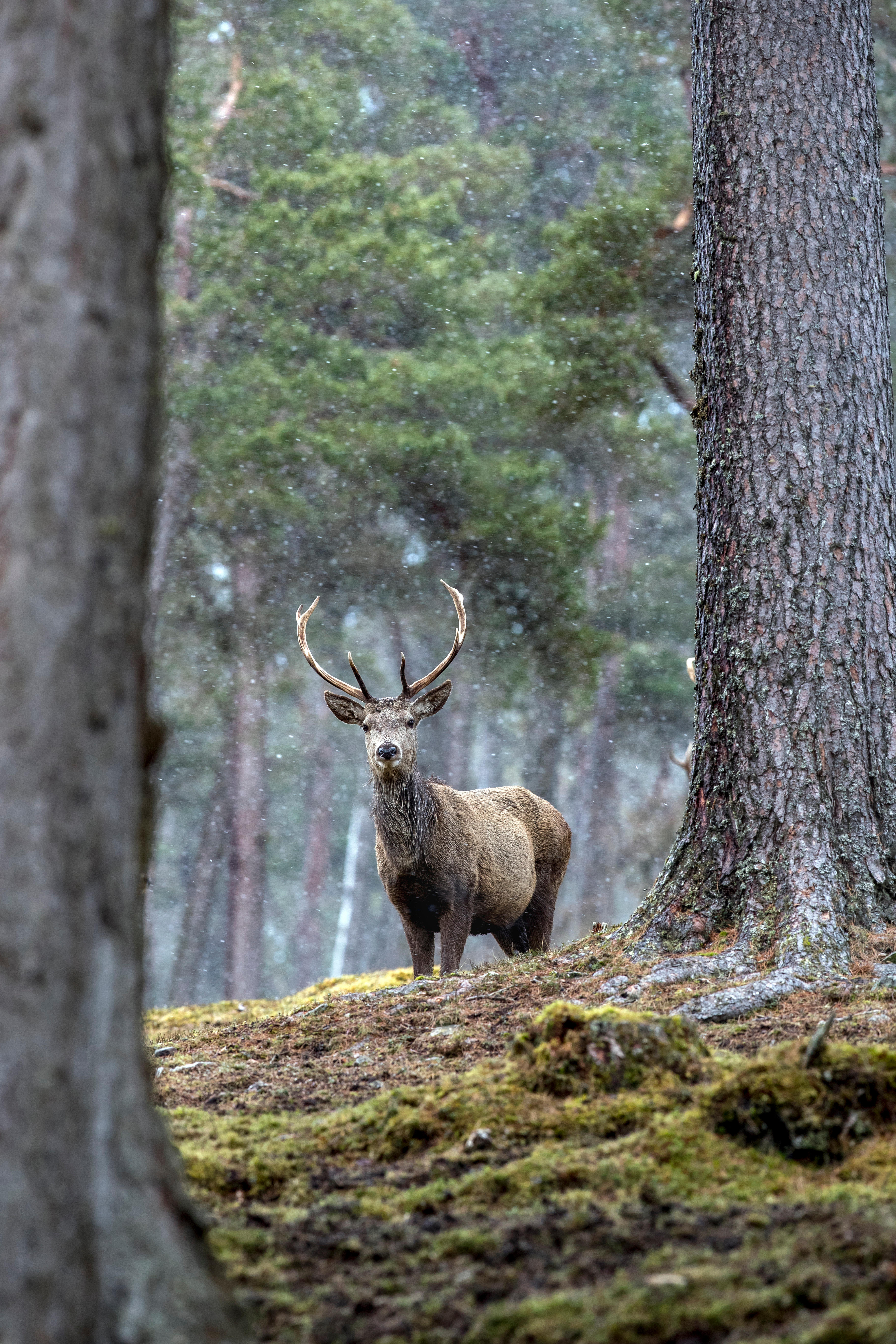
Edwin Landseer’s painting The Monarch of the Glen (1851) put the red deer at the heart of Scotland’s landscape
MALCOLM PARK/ALAMY LIVE NEWS.
The SNP’s Natural Environment (Scotland) Bill intends to set legally binding duties on ministers to improve and regenerate nature, not just protect it.
Studies have found that the UK is one of the world’s most nature-depleted countries, and that nearly one in nine species in Scotland are at risk of national extinction. But this new research paper by a team of ecologists, deer hunters and foresters suggests the national debate is ignoring the risk to native deer if they do not make a strategic cull.
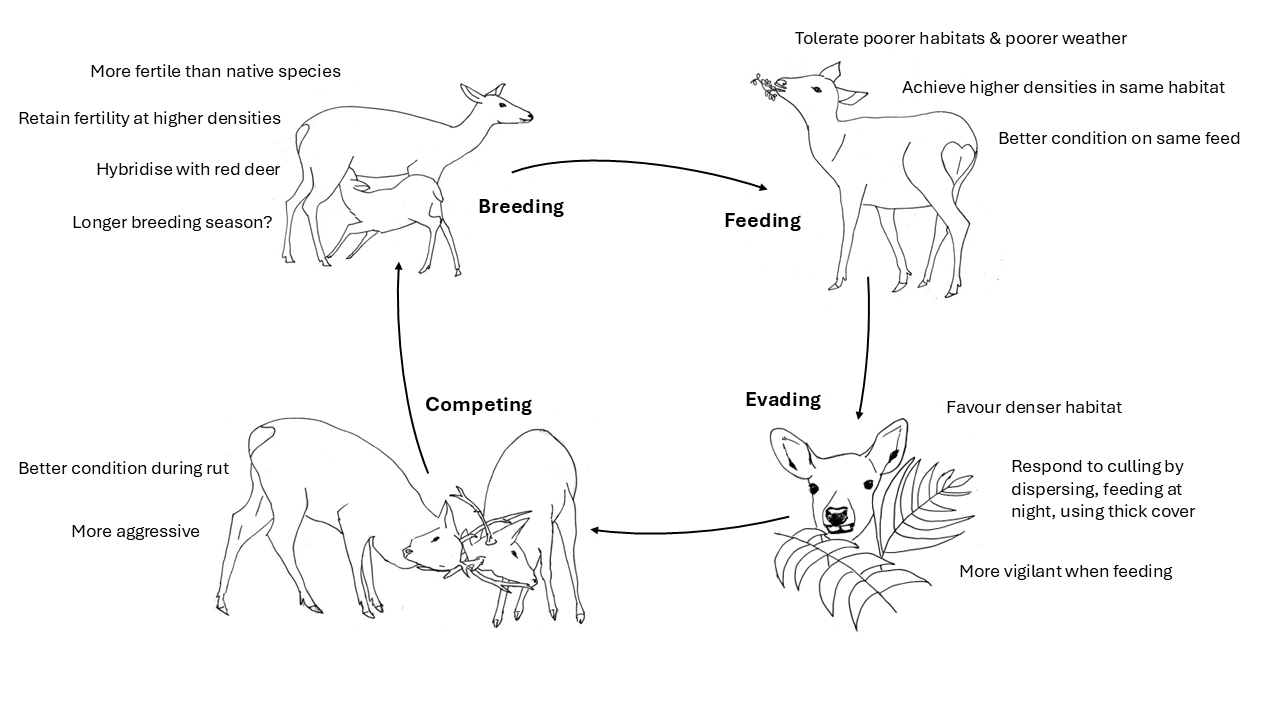
How sika deer outcompete Scotland’s native red deer
HIGHLANDS REWILDING
Brown said: “Increased deer management and culling which doesn’t account for sika’s advantages is likely to reinforce these advantages. We could see sika and hybrids becoming the dominant species in areas where they are present.”
When the rural affairs and islands committee met with deer practitioners from across Scotland in May, the sika population was “almost out of control” and the national data and response was lacking. Overgrazing by dense herds strips the landscape of young trees and reduces biodiversity, meaning culls are of increasing importance.
The Association of Deer Management Groups (ADMG) said in July that 138,534 deer were culled in 2023-24, the highest on record. It has voiced concerns that the bill will put pressure on employment in the deer management sector due to the costs of higher numbers of culls.
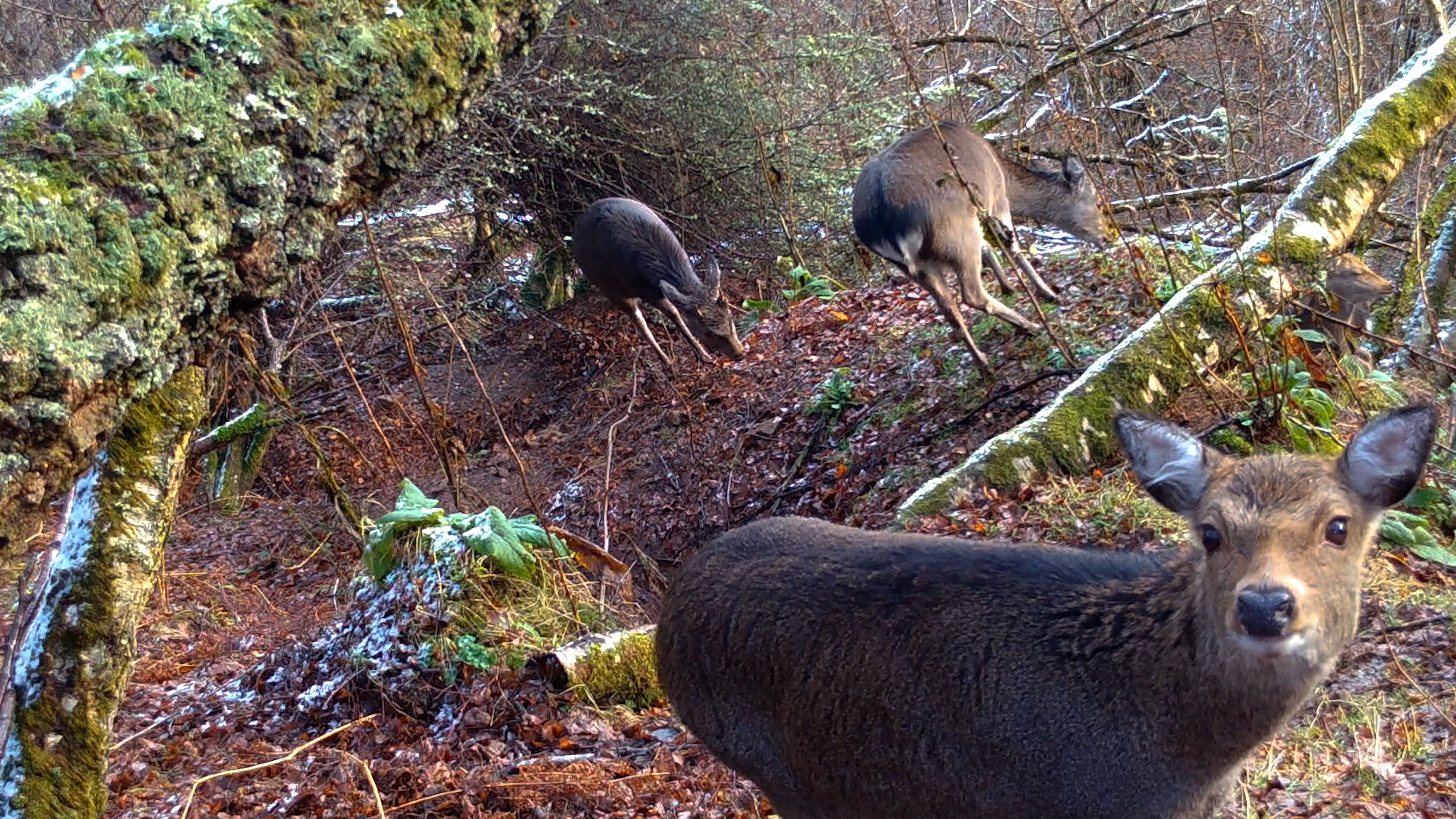
The government said it was working with Nature Scotland to increase the annual culling of sika deer
HIGHLANDS REWILDING
The Scottish government said: “Managing different species of deer across rural and urban Scotland requires a variety of approaches. In all circumstances, we want to ensure deer management in Scotland is sustainable and brings benefits to rural communities and nature. That’s why we are supporting four deer-management pilot projects this year, trialling a mixture of financial incentives and support for venison.
“These include two projects led by Nature Scotland to increase the annual culling of non-native sika deer in native woodlands and commercial forestry. We will work closely with partners as these schemes progress and use findings to inform future deer management policy.
“NatureScot is in the process of developing a sika deer-management strategy, which will address the concerns around sika populations in Scotland. This will be published in due course.”