

Dr Mark Porter, a GP who has appeared on The One Show said ‘about one in ten of those affected never return home’
13:40, 02 Dec 2025Updated 14:34, 02 Dec 2025
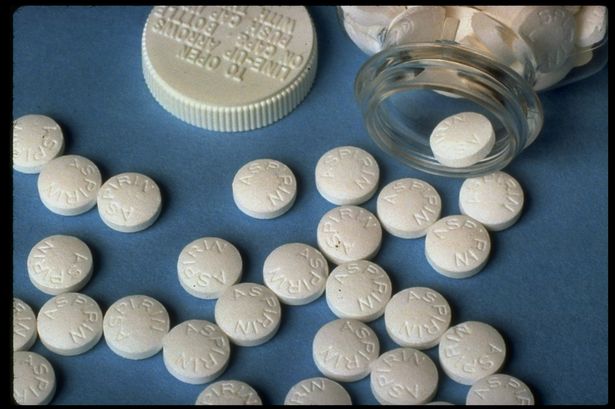 Dr Mark Porter, a GP said people should not take aspirin without a prescription(Image: Getty Images)
Anyone who takes ibuprofen, naproxen or normal-dose aspirin has been handed a warning by an NHS doctor who said prolonged use can cause serious side effects. Dr Mark Porter, a GP who has appeared on The One Show, said people need to be aware they can cause ulceration and bleeding.
And he explained: “Bleeding from the stomach and upper gut is a dangerous condition that, according to an audit led by a team from the University of Oxford, results in at least 60,000 hospital admissions a year. About one in ten of those affected never return home.”
Dr Porter said a report published in the journal Gut, compares outcomes in 2007 and 2022 revealed how many people who suffered bleeds were on medicines, prescribed and over the counter, that ‘could cause or aggravate the problem’.
He explained to The Times : “Just under half of the 5,141 patients analysed in the audit were on some form of medicine that exacerbated bleeding, such as low-dose aspirin, clopidogrel and the anticoagulants warfarin and apixaban. And 1 in 14 was taking a non-steroidal anti-inflammatory (NSAID) — drugs such as ibuprofen, naproxen or normal-dose aspirin used to treat pain and arthritis — which can cause ulceration and bleeding.
“I would hope that most people taking drugs such as low-dose aspirin and anticoagulants to reduce their risk of stroke, heart attack and blood clots will be aware that these benefits have to be balanced against the risk of bleeding. However, too few people taking NSAIDs realise quite how dangerous they can be to some. NSAIDs account for about a third of all NHS hospital admissions caused by adverse drug reactions, which in turn account for about one in five hospital beds. And it is not just bleeding from the gut — NSAIDs can trigger heart attacks, strokes and kidney damage.”
Dr Porter said that people who suffer from stomach issues often find their symptoms are made worse by NSAIDs: “Anyone prone to indigestion or heartburn will know that even an occasional over-the-counter ibuprofen and aspirin can aggravate their symptoms, but if taken long term they can do much worse. The same mechanism of action (prostaglandin inhibition) that helps most NSAIDs to ease aches and pains weakens the stomach’s natural defence against its own gastric juices, leading to irritation, ulceration, bleeding and even perforation.
“The risks for most people are small, but increased awareness among prescribers has meant NSAID use has reduced in most countries over the past 25 years. Even so, they are widely prescribed, particularly to older people, with some estimates suggesting that as many as one in five people over 65 have had at least one course in the past year.”
Doctors prescribe antacid medicine, such as omeprazole, is often routinely prescribed alongside prescription-only NSAIDs such as naproxen to mitigate the impact on the stomach, but Dr Porter explained these reduce the risk of bleeding rather than negating it. He added: “As with all drugs, it’s a matter of balancing potential risk against real day-to-day benefits, but some groups should be particularly wary.
“These include anyone on low-dose aspirin (and equivalents such as clopidogrel) or anticoagulants such as warfarin and apixaban, those prone to indigestion or heartburn and/or who have a history of stomach or duodenal ulcers, and people with heart failure and chronic kidney disease. And anyone over 65 who is not on accompanying gastroprotection such as omeprazole.”
No-one should take one common drug except directly told to, Dr Porter said: “I would avoid medicating with aspirin altogether unless on the direction of a doctor. If you have a hangover, a headache or a sore knee, paracetamol is probably safer than ibuprofen, but it doesn’t work as well, and an occasional NSAID is unlikely to do you harm as long as you are not in one of the high-risk groups above. If you do need pain relief regularly, such as daily or even a few days a week, consult your GP to discuss the best approach.
“One last tip. While no one is likely to ignore vomiting blood, an earlier sign of slower bleeding from the upper gut — black tarry stools (melena) — can sometimes go unreported. If this is happening to you, seek help immediately, please.”
To read his full article click here.