
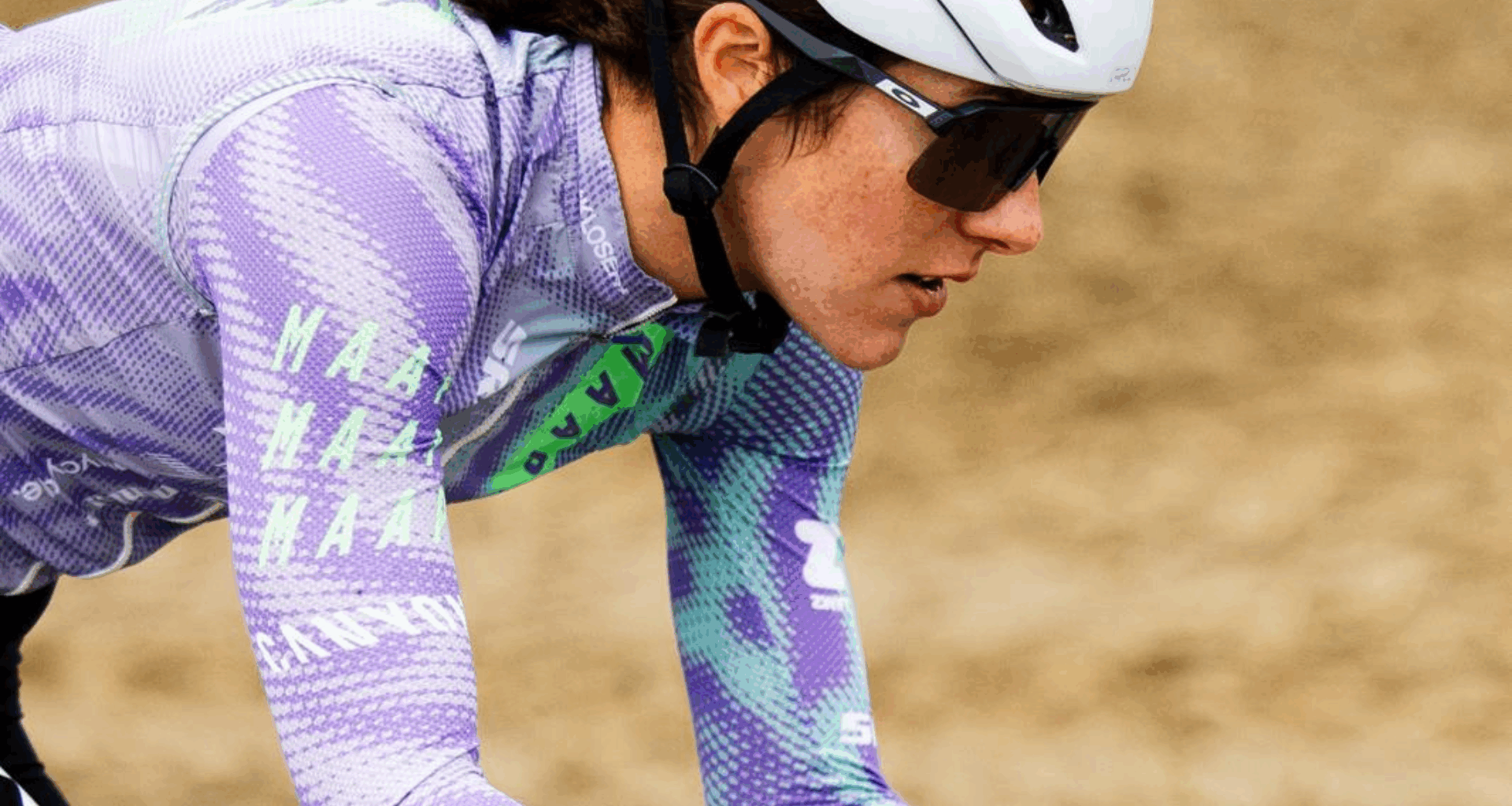
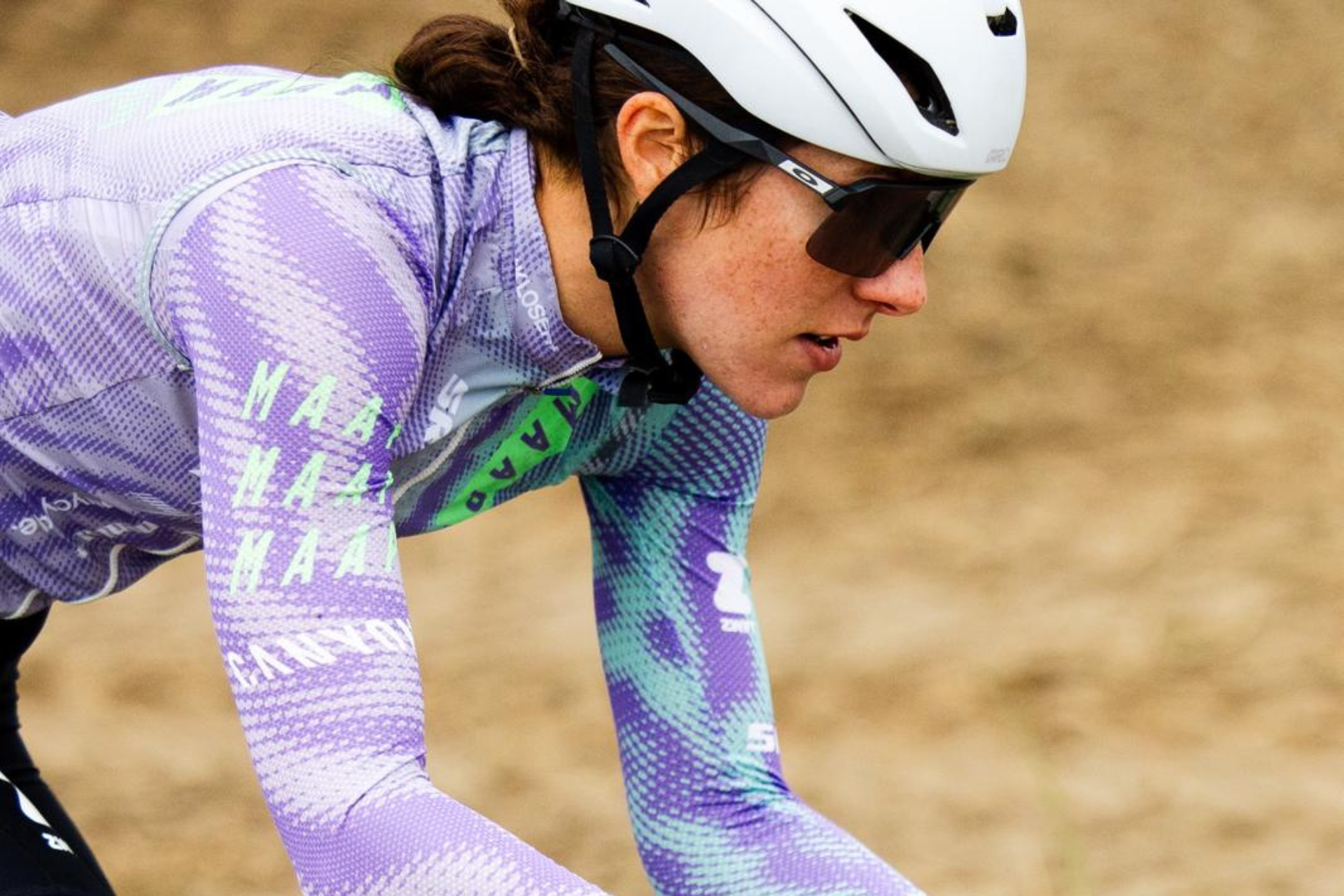
The 2024 Unbound winner talks about the differences between UCI gravel racing and other events, her obsessive approach to tyre choice, and more.

Cor Vos, Josh Wienberg, Taylor Chase, Canyon
Gravel is cycling’s experimental testing ground, a space where events and equipment evolve at a pace road racing can’t match. With no decades-deep tradition dictating etiquette or tyre choice, the discipline remains in flux, shaped by terrain, rider preference, and the steady blending of road and mountain-bike tech. Every race, and every rider, becomes a rolling lab test with performance gains still waiting to be fully understood.
Few riders embody that spirit better than German gravel and road racer Rosa Klöser, winner of the 2024 Unbound Gravel, among other events. Known for her analytical approach to equipment and performance, she brings her engineering mindset to everything she does. Bike setup isn’t just a checklist for her, it’s a process of understanding the principles behind each choice. Every detail is deliberate, and each configuration is tuned to the demands of the race in front of her based on research and testing.
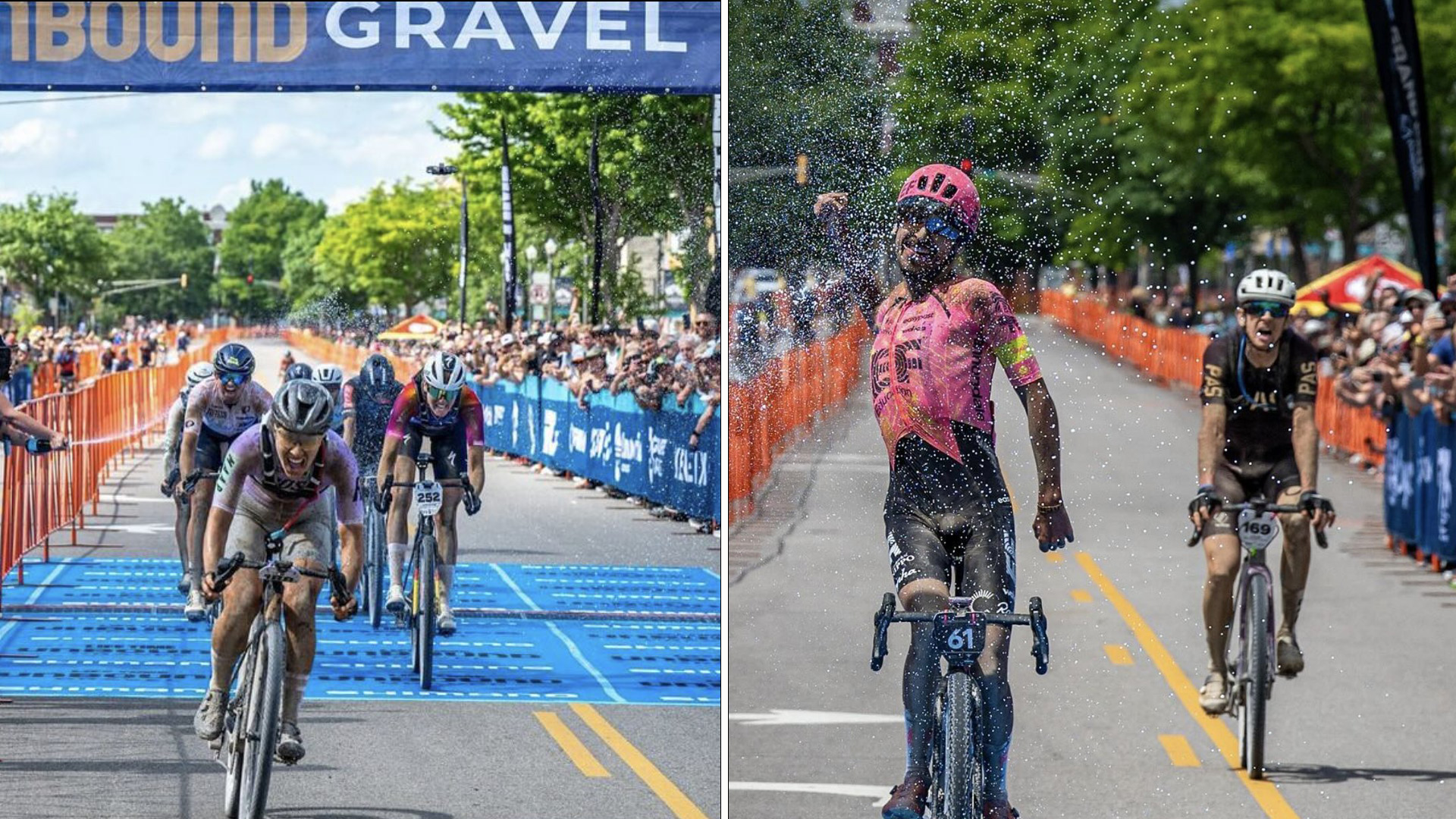
Lachlan Morton and Rosa Klöser sprint to Unbound Gravel victories
Course records and big winners in Emporia.
That precision has paid off. After winning Unbound, she backed it up with a string of major gravel victories in 2025, including The Rift in Iceland.
But it’s the experimentation behind those results that really fascinates her. Gravel success isn’t just about who has the strongest legs; it’s about who has done the research and knows how to translate it into equipment decisions that matter. Ahead of the UCI Gravel World Championships in Maastricht, I sat down with Klöser to talk through her equipment philosophy – and to hear her thoughts on whether UCI gravel courses are technical enough to represent the discipline on the world stage.
The UCI is having a gravel identity crisis
Every year, as the UCI Gravel World Championships roll around, the now-expected comments start to collect on social posts and videos, with fans expressing their thoughts on the course selection. More often than not, they point out that the “gravel” used is hardly gravel at all, with the race earning the nickname of the “Bike Path World Champs.”
That criticism certainly could have applied this year in Maastricht. A relatively flat course with a lot of hardpack sections and mostly light gravel wasn’t representative of what gravel typically looks like to a lot of recreational riders around the world.
 The UCI Gravel Worlds course gained more stick this year, for a course that many felt failed to embody what a gravel race course should look like.
For Klöser, the race came at the end of a demanding season that took her from defending her Unbound title on the open plains of Kansas to the short, punchy climbs of central Europe. The experience, she says, helped refine her approach not just to equipment but to mindset. “You learn what really matters when you’re tired,” she explained. “You stop chasing perfection and start thinking about efficiency, how to make the most of what you have left.”
This post is for paying subscribers only
Subscribe now
Already have an account? Sign in
Did we do a good job with this story?
👍Yep
👎Nope