
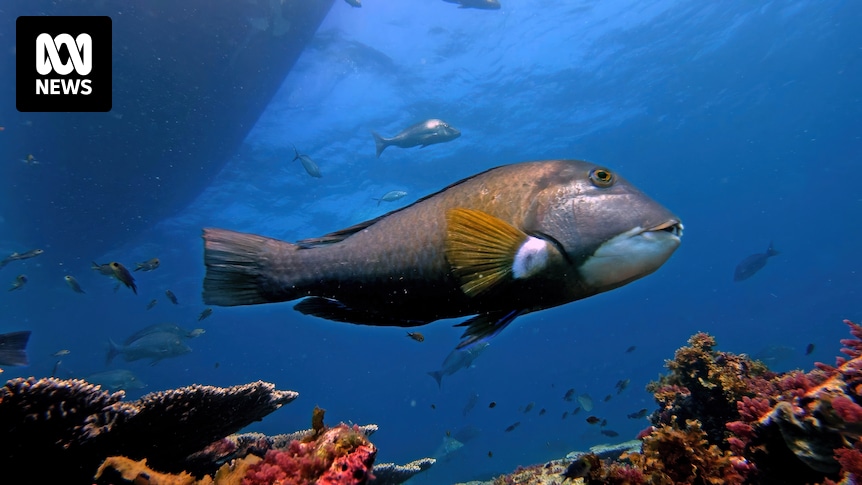
Strict bans limiting commercial and recreational fishing in Perth and parts of Western Australia have been announced, in an effort to save some under-threat fish species from the brink of collapse.
Commercial fishers will be permanently banned from catching iconic demersal fish species, including WA dhufish, off a section of the WA coast, with 50 per cent catch reductions to be implemented in most other fisheries.
The measures were foreshadowed at a fishing forum in October when industry, recreational fishers and other stakeholders gathered to discuss potential solutions to recovering the state’s fish stocks.
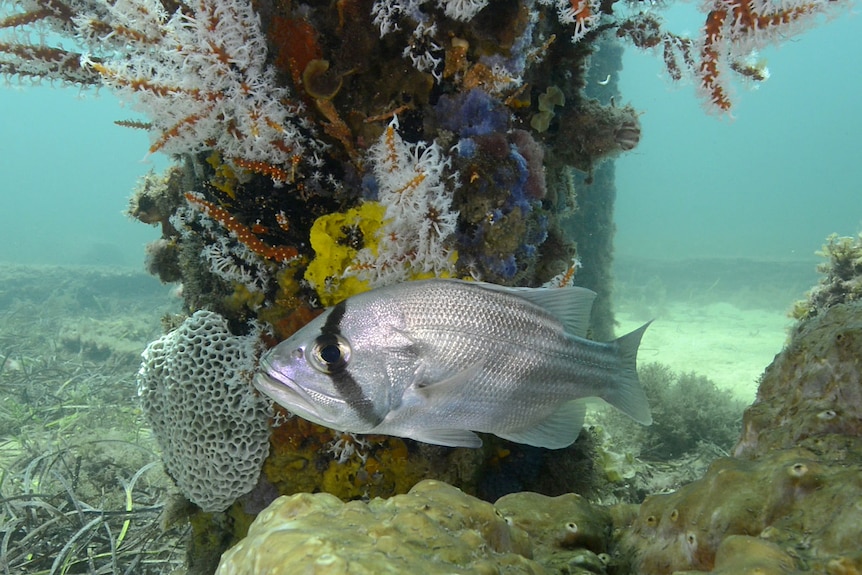
The dhufish fish stock is at severe risk of collapse. (Supplied: DPIRD)
In one example of the crisis reported by the WA government, spawning biomass of dhufish was recorded at levels as low as seven per cent off Perth’s metropolitan coast.
For context, a biomass below 20 per cent means a fish population is considered at severe risk of collapse.
Perth commercial fishing ban
The West Coast fishery, stretching from Kalbarri to Augusta and including the Perth metropolitan coast, will be permanently closed to commercial fishing for demersal species from December 16.
That will trigger a compulsory buyback of commercial fishing licences.
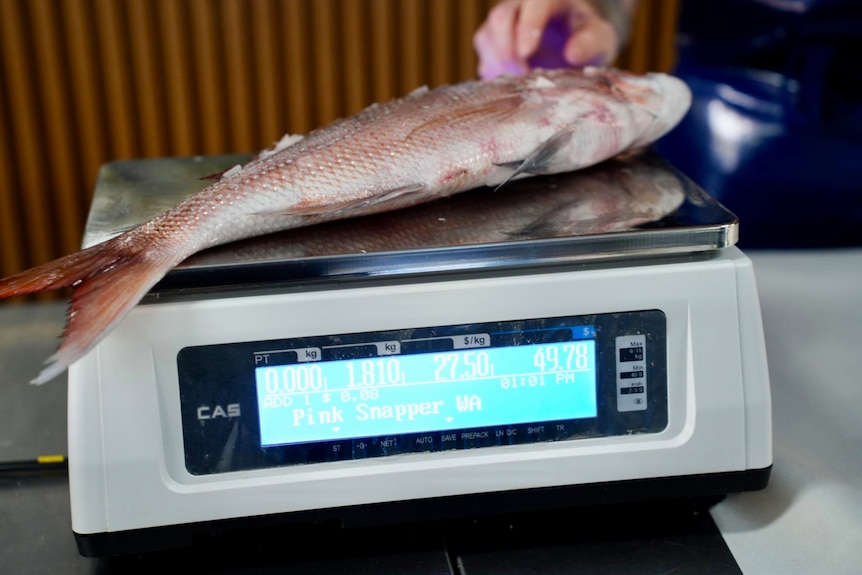
Pink snapper is a popular demersal fish for consumers. (ABC News: Lauren Smith)
There will also be a 21-month ban on people recreationally fishing for demersal species from boats until September 2027, after which Ms Jarvis said some key breeding grounds would remain closed for up to 10 years.
Beach fishing will remain open.
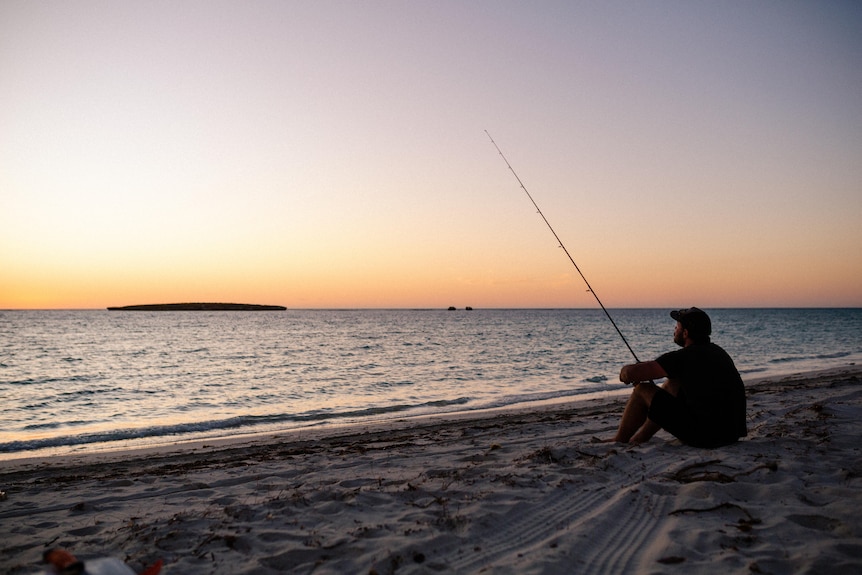
Beach fishers will largely be unaffected by the changes. (ABC News: Kenith Png)
The Pilbara, Kimberley and South Coast regions will also have commercial fishing catch limits temporarily reduced by half, before eventually transitioning to “new quota management arrangements”.
The Gascoyne region will not have any further measures “due to the success of efforts”, according to Fisheries Minister Jackie Jarvis.
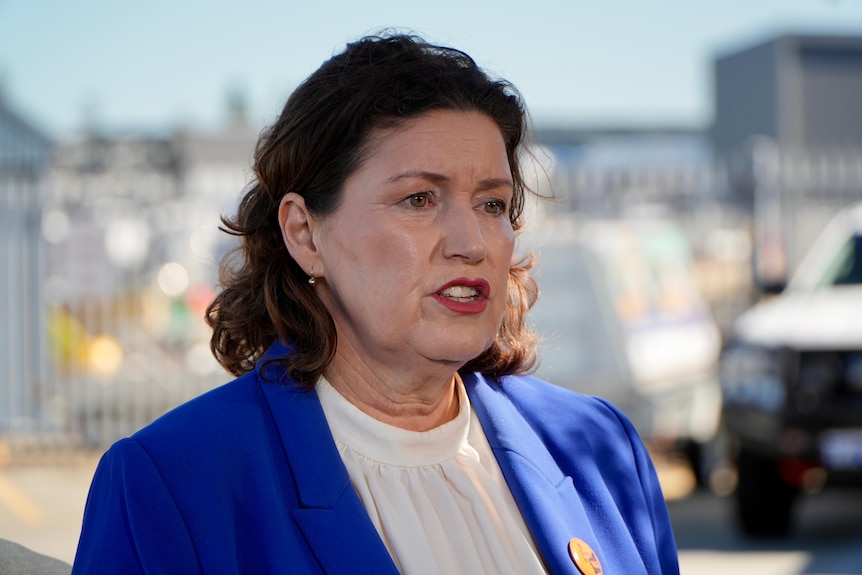
WA Fisheries Minister Jackie Jarvis says demersal fish species need to be better protected. (ABC News: Courtney Withers)
“The independently reviewed and international best practice science underpinning this decision cannot be ignored, it demands we act now, which is what we have done,” Ms Jarvis said.
The tougher measures have been brewing for months, after the Department of Primary Industries and Regional Development (DPIRD) assessed fish stocks of some iconic species as being at severe risk along the West Coast from Kalbarri to Augusta, and the Pilbara and Kimberley coasts.
Fish price concern
WA Fishing Industry Council (WAFIC) CEO Melissa Haslam, who represents the commercial sector, said she was only given about an hour’s notice on the details of the announcement.
“We are just in a state of shock. We were expecting some big announcements of course, but this is a whole new level to what the industry was expecting,” she told ABC Radio Perth.
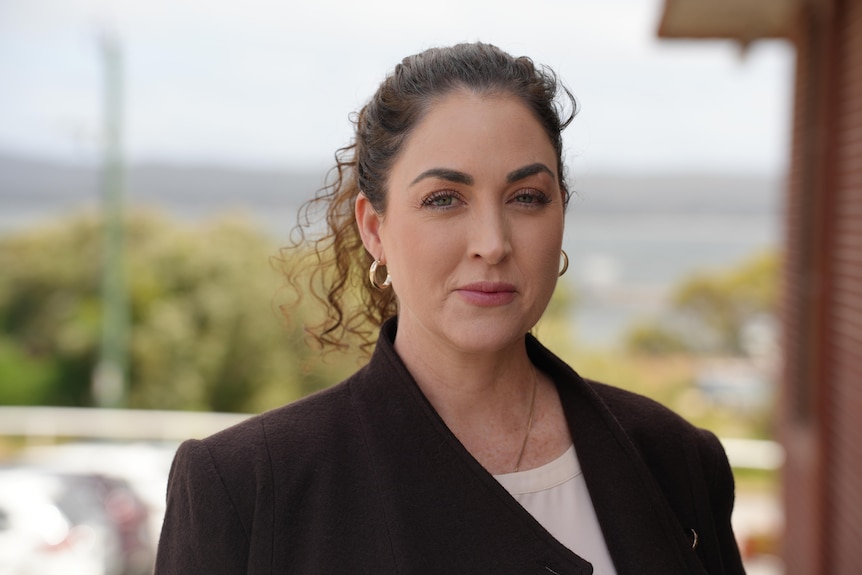
WA Fishing Industry Council CEO Melissa Haslam doesn’t think the $20m government buyback is adequate. (ABC News: Andrew Chounding)
Ms Haslam claimed the measures would drive up the price of demersal fish, including pink snapper and red emperor, and the proposed $20 million buyback of fishing licenses was “not even close” to being enough to make up for the impact on businesses.
“You’re talking over 70 license holders, over 70 businesses … $20 million, it would be laughable if it wasn’t so serious,” she said.
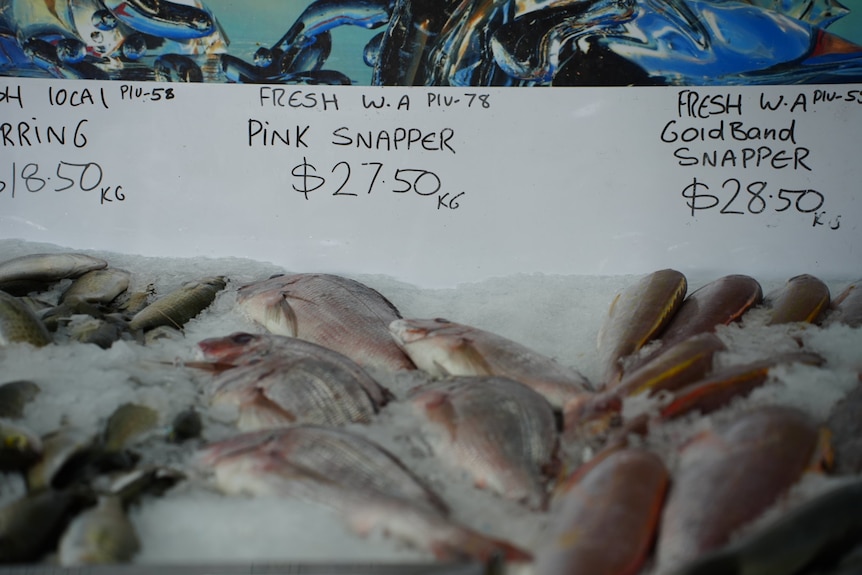
Pink snapper is one if the species affected by the ban. (ABC News: Lauren Smith)
“I don’t think the average person will ever enjoy a lot of these popular fish species again.”
Trawling ‘no longer acceptable’
Trawling — where a large net is dragged through the water to catch fish — will also be permanently banned in the Pilbara, which is the only zone where commercial trawling for demersal species operates in WA.
“Trawling for demersals also results in the death of various marine life including a number of dolphins each year, as well as the critically endangered sawfish species,” Ms Jarvis said.
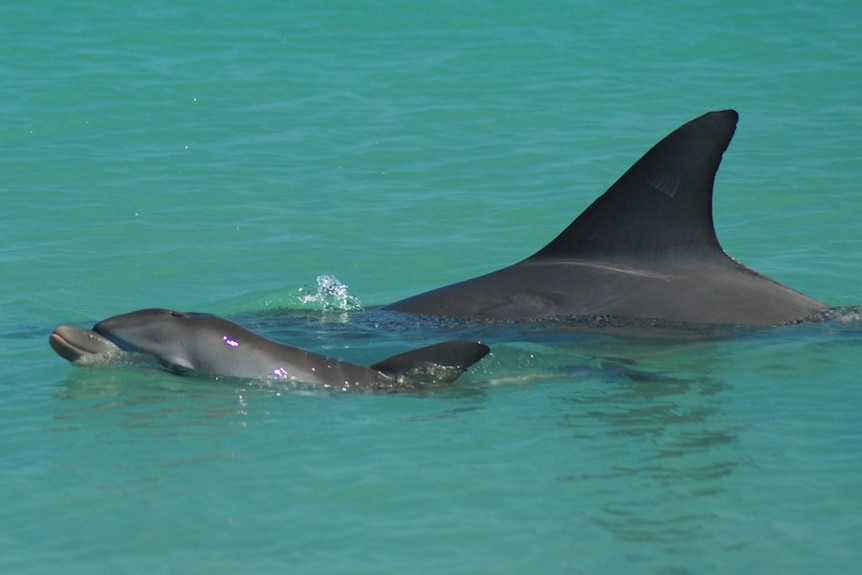
Marine life like dolphins can die as a result of trawling. (AAP: WA Department of Environment and Conservation)
“I think most West Australians will agree this is no longer acceptable.”
About 40 per cent of all demersal fish in WA are caught from three trawling licenses, according to Ms Jarvis, who accepted the ban would “likely” lead to more expensive fish for consumers.
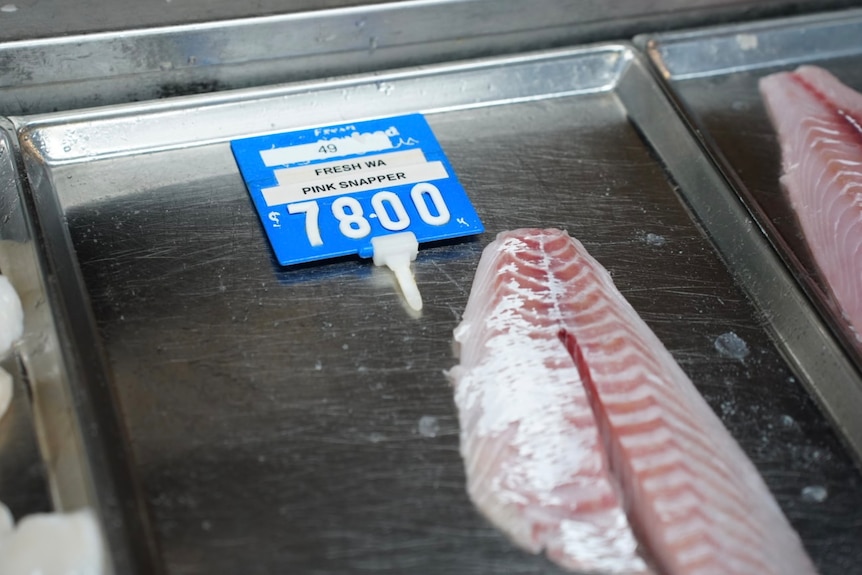
There are fears the in-demand fish could rise in price. (ABC News: Lauren Smith)
The commercial sector had been scathing about the lack of mandated reporting for recreational fishers, and Ms Jarvis had previously ruled out implementing that requirement.
But this morning, the minister said she’d changed her mind, with real-time reporting of at-risk catches mandated for recreational fishers next year.
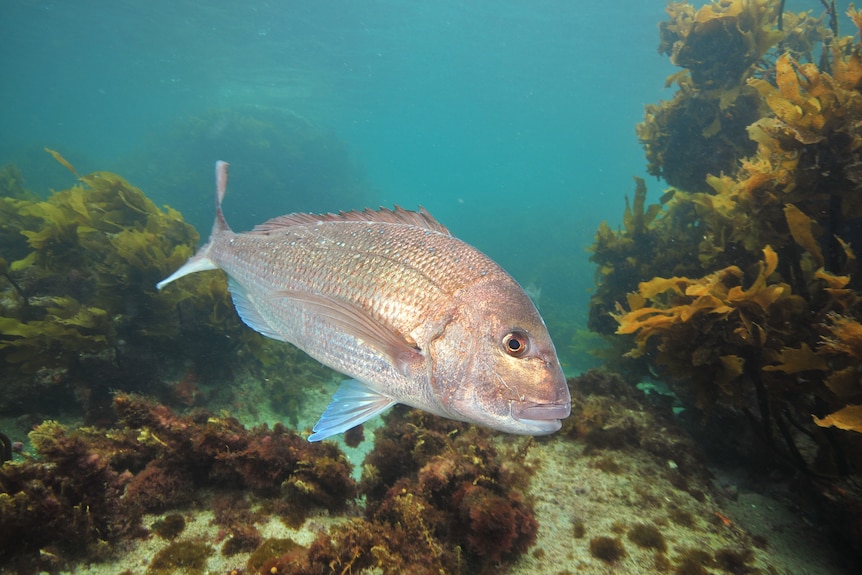
A pink snapper fish in waters off Western Australia’s coast. (Supplied: OzFish)
“This will allow everyone to play their part in the recovery of these highly valued species,” she said.
Biggest reset in WA history
Recfishwest CEO Andrew Rowland described the new measures as the “biggest reset in fisheries management in WA history”.
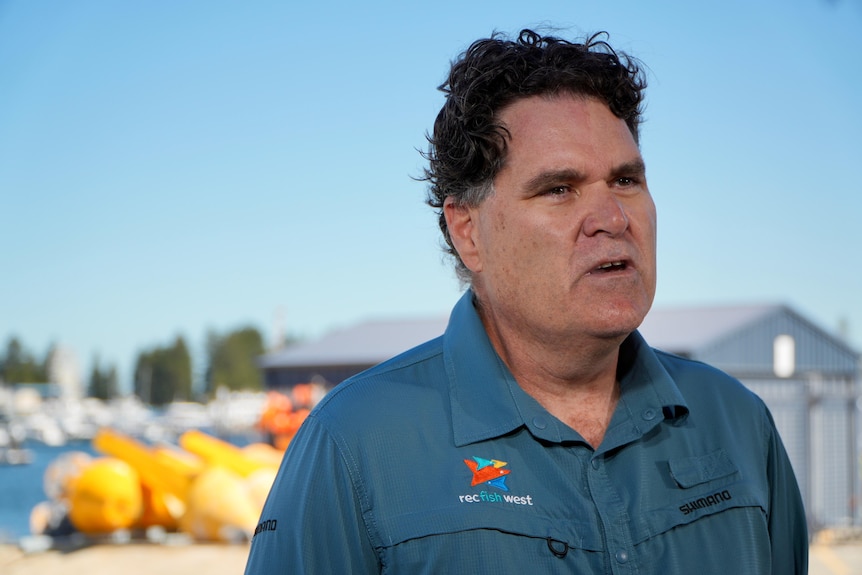
Recfishwest CEO Andrew Rowland says the new measures will be difficult news for many fishers. (ABC News: Courtney Withers)
“This is bloody tough, and it’s going to come as a shock to a lot of people,” he said.
“But the winner today is dhufish, and that really matters to our sector … for the recreational fishing sector, this is short-term pain for long-term gain.”
What are demersal fish?
Demersal scalefish are long-living, slow growing fish species that live and feed near the sea bed.
Popular demersal fish in WA waters include dhufish, pink snapper and red emperor.
Ms Jarvis said fishers would still be allowed to catch other species that were not at risk, including pelagic fish like tuna and mackerel.
“I still want people to have a great summer fishing, unfortunately, we just need to protect our demersals — our dhufish, our snapper — and then it will all reset in spring 2027.”
‘End of my fishery’
Commercial fisherman Phil de Grauw said the measures likely spelled the end for his business, because much of it relied on fishing in the West Coast zone.
“Might be able to keep it going at a loss, but you just can’t afford to keep boats sitting in the pen there,” he told the ABC.
“That’s the end of my fishery.
“I think we’re just wearing the mix-up and the mess that’s all down in the metro area from overfishing from the [recreational fishers]. It’s just ridiculous.”
WA Nationals fisheries spokesperson Kirrilee Warr said while it was important to protect fish populations, the commercial sector had been given little consultation and time to adjust.
“They are feeling very blindsided by this,” Ms Warr said.
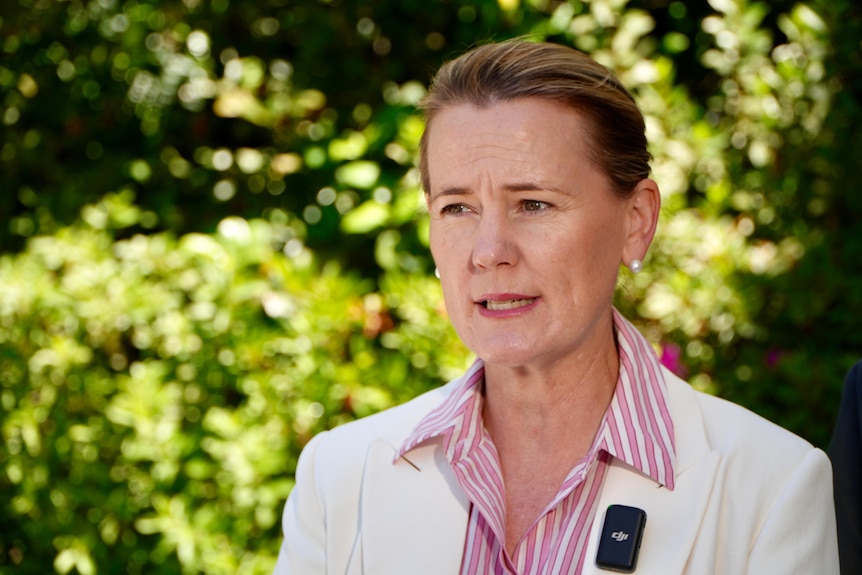
Ms Warr says the indsutry is feeling “blindsided” by the ban. (ABC News: Courtney Withers)
“We feel like this is just another slap in the face, and we’ve seen this from this Labor government in particular around live sheep export and the forestry industry.”
WA Greens oceans spokesperson Sophie McNeill acknowledged the difficulties businesses would face, but said the fishery closures were required to prevent some species from disappearing forever.
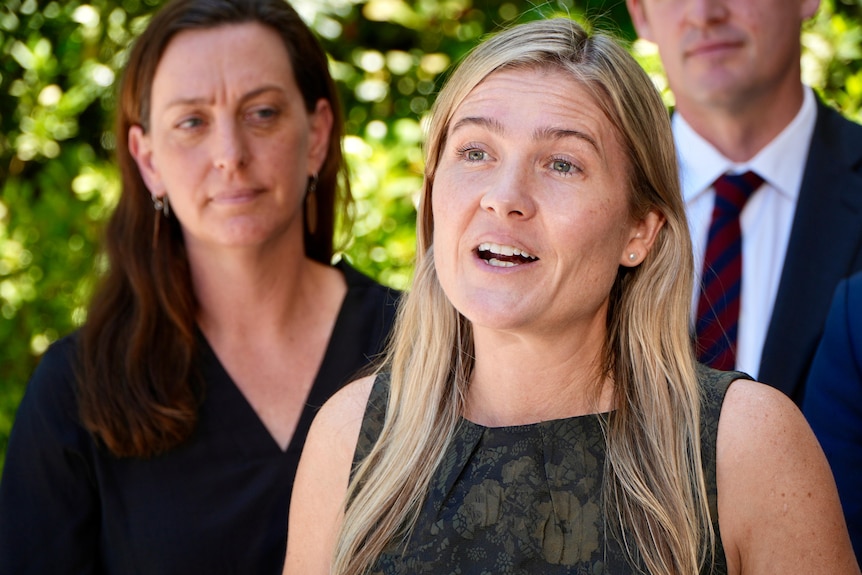
Sophie McNeill sees the ban as a positive for the marine environment. (ABC News: Courtney Withers)
“Today is a great outcome for our oceans, we’ve seen decades of fisheries mismanagement in this state, but hopefully today we are changing course,” she said.
Perth fishmonger Micheal Sindoni said customers were “scared” their shop would not survive due to the changes, and some were “not happy” with the bans.
His brother Alex Sindoni said their business would likely feel the repercussions as the industry reckoned with the changes.

Fishmongers Alex (left) and Micheal Sindoni say the effect on their business is still to come. (ABC News: Lauren Smith)
“The problem hasn’t come yet, so we’ll find out in the next week or so, I reckon,” he said.
Loading