
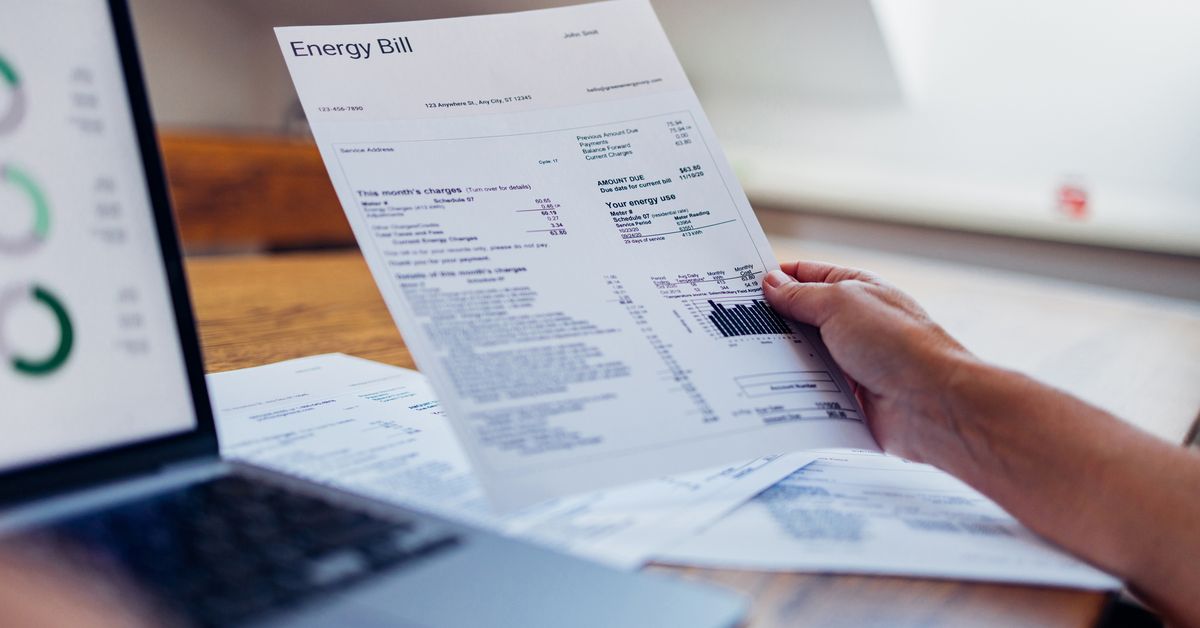
Electricity prices across Australia could rise by up to 20 per cent in the next decade unless urgent action is taken, a report warns.
Aussies could be hit with a 13 per cent increase in electricity prices between 2030 and 2035 if renewable projects are not delivered at a faster pace, the Australian Energy Market Commission’s (AEMC) said today.
In a worst-case scenario, the report claims delays to specific wind and transmission projects could increase prices by up to 20 per cent, and that prolonging the life of coal-fired power stations to meet any shortage would also drive up prices due to the risk of outages.
 Delays in renewable projects could see prices rise by up to 20 per cent. (Getty)
“The risk of prices rising after 2030 only emerges if we slow down renewable deployment just as coal plants retire,” AEMC chair Anna Collyer said.
“This is a timing challenge, not a technology cost issue.”
However, the report said residential electricity prices could fall by around five per cent in the next five years due to renewables growth.
It stresses this does not necessarily mean bills will fall by the same amount, only that the cost per kilowatt-hour of energy used could drop.
 Homeowners are being told to consider electrifying their energy use sooner, including switching to solar panels. (Getty)
The impact also differs between states and territories; NSW will see electricity costs drop by 0.6 per cent per year to 2035, but Victoria and Queensland will see a rise of 1.7 per cent.
Policymakers need to reduce barriers to rolling out the renewable transition, according to the report, but also said individual households can help themselves by electrifying their energy use.
Using electric vehicles, solar panels and home batteries are all helpful methods, the report said, saving Aussies thousands of dollars a year.
“The energy transition requires action on multiple fronts,” Collyer said.
“But the fundamental message remains consistent: with the right pace of renewable investment and enabling households to electrify, we can deliver an affordable energy transition.”