
The Muhammad Ali American Boxing Revival Act seeks to bring UFC-style promotion to the sport of boxing, and now the proposed law is winding its way through the halls of Congress.
On Thursday, a hearing titled “In Their Corner: Creating More Opportunities for American Boxers” was held before the Workforce Protections Subcommittee, with numerous witnesses speaking about the potential adoption of the new Ali Revival Act. UFC senior executive vice president and chief operating officer Lawrence Epstein, California State Athletic Commission executive director Andy Foster, and attorney Pat English — one of the architects behind the original Muhammad Ali Act — all appeared and answered questions from the subcommittee.
The key tenet from proponents for the bill comes down to offering boxers more opportunities with the introduction of Unified Boxing Organizations, which would effectively be using the UFC’s style of promotion with internal rankings, championship titles, and exclusive contracts, to further expand the sport. A major point brought up any time this debate starts is that the new Ali Revival Act serves as an addition to already existing laws, but doesn’t prevent anyone from operating under the current system as it stands.
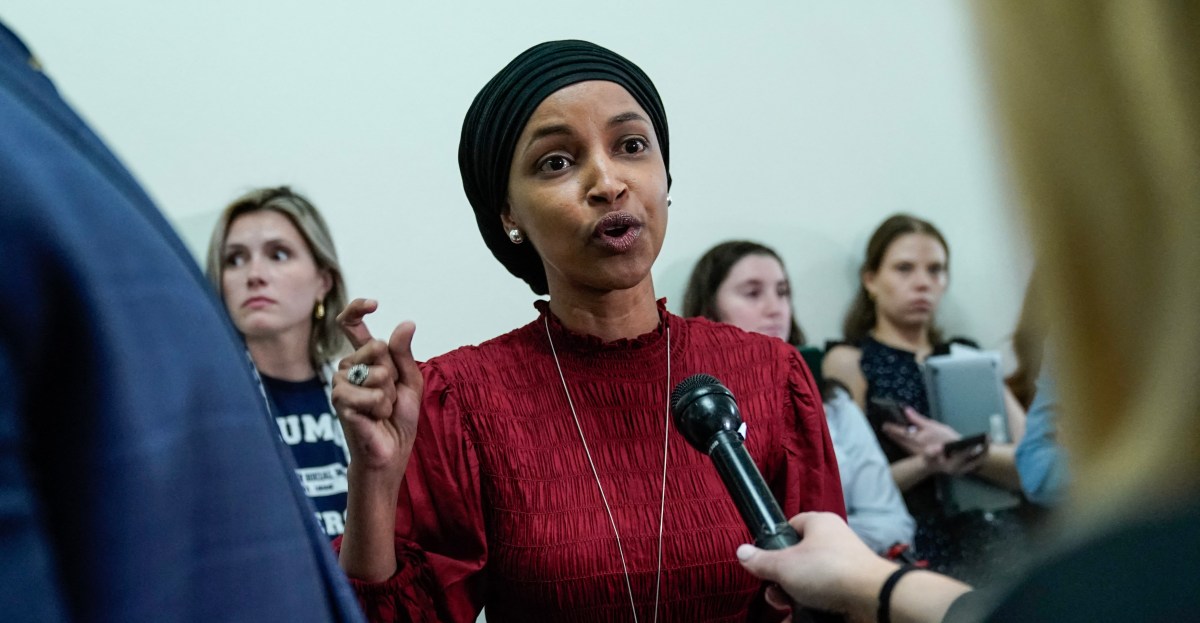
During testimony on Thursday, ranking member Ilhan Omar, the Congresswoman from Minnesota’s fifth district who is also an outspoken combat sports fan, turned her attention towards Epstein to ask about the revenue share that boxers could expect to make if the UBO model is adopted. Omar specifically drew battle lines with the UFC antitrust lawsuits, where discovery showed that athletes competing for the promotion were paid far lower wages compared to other major professional sports such as football or basketball.
“Mr. Epstein, the UFC settled a longstanding antitrust case after allegations of using restrictive contracts, keeping fighters’ pay at roughly 15 to 20 percent of revenue,” Omar said during the hearing. “What minimum share of event revenues can you commit today that boxers could receive under Zuffa Boxing league?”
Zuffa Boxing, which is being funded entirely by Saudi Arabia’s General Entertainment Authority, plans to launch in 2026 after already inking a broadcast deal with Paramount.
As of now, the organization hasn’t actually held an event, so Epstein balked at providing a guaranteed amount of revenue going back to fighters based on figures that don’t exist yet.
“First, let me address the lawsuit, which is part of your question — we did settle the lawsuit,” Epstein explained. “It was 10 years of litigation, we made a business decision to settle it, but I want to be clear, there was no finding of liability or anything along those lines.
“As far as committing to any percentage today, obviously can’t do that. We’re starting a new business. If this legislation is passed, we’re going to be starting a new business.”
The first UFC antitrust lawsuit, which was filed all the way back in 2014, was finally settled for $375 million, with additional lawsuits still ongoing in the courts.
Omar then continued with her next question aimed at Epstein.
“Well then, let me ask this: UFC is being sued again, not only with more claims of wage suppression but new allegations of discovery violation — even though you just said there was no discovery — possibly withholding a substantial amount of evidence that was crucial to the UFC’s bid [to] force their antitrust claims into arbitration,” Omar said in response. “With all these lawsuits, I’m having a hard time seeing why any of the fighters would ever be able to trust that they’ll be paid fairly in this system?
“So, Mr. Epstein, what would you tell the many boxers who are worried about being trapped in a long, coercive contract, or how will you make sure the economic freedom of boxers will not be taken away under this model that you’re advocating for?”
Epstein responded by pointing out that the new law being introduced doesn’t eliminate the original protections from the Ali Act, first passed back in 2000, but rather offers an alternative option for boxers.
“What I would tell them is they’re going to have a choice,” Epstein said. “What’s very clear from this legislation is the existing Ali Act is not going to change at all. We’re adding new provisions that will add for, we’ve talked about the Unified Boxing Organizations or UBOs, there’s going to be a choice for athletes to make. I don’t see how choice is a bad thing. If our system is not providing the economic opportunities for athletes, they can avail themselves to the existing system.
“The problem we’ve got is the current state of boxing is just a disaster. As was mentioned in previous testimony from witnesses on this panel, there are no major media companies in the United States of America that currently broadcast in any way, shape, or form a consistent cadence of boxing events. If we look back 10 or 15 years ago, you had HBO, you had Showtime, you had ESPN Friday Night Fights, which I loved, Tuesday Night Fights on USA. I’m a huge boxing fan, too. I want this sport to be successful. I want it to win, and I really do believe the UBOs will give it a chance, but ultimately it’s going to be a choice for athletes. If they don’t like it, they can choose to stick with the existing system.”
Foster, who recently presided over a hearing for the California State Athletic Commission where a unanimous vote was held expressing support for the new Ali Revival Act, also appeared and spoke out about one of the biggest problems plaguing the sport of boxing right now.
With promoters all working to build their own fighters, Foster argued that many times you’ll get mismatches where one fighter is effectively padding a record against substandard competition while another promoter does the exact same thing. Eventually, those two fighters might end up meeting in a huge event, but Foster believes the UBO formula — where all of the fighters are being signed and represented by the same promotion — allows for better and more competitive matchmaking.
“When the focus shifts from trying to protect your fighter and getting the opponent beat to making competitive matches, in my opinion, that would be good for boxing,” Foster said.
At the close of the hearing, Omar admitted that there were benefits to the Ali Revival Act, but she believes there’s still work to be done before it becomes a law.
“While this bill is not entirely bad, the Muhammad Ali American Boxing Revival Act does not yet live up to that promise,” Omar said. “So I do recommend before this bill moves any further that my colleagues take a moment and check in with the people that actually feel the impact of these reforms. Talk to your state athletic commission, your local boxing gym, the small venues, and mostly talk to boxers in your community.
“You should hear all perspectives and make sure we are making fully informed policy decision that truly helps workers and small businesses around sports.”