
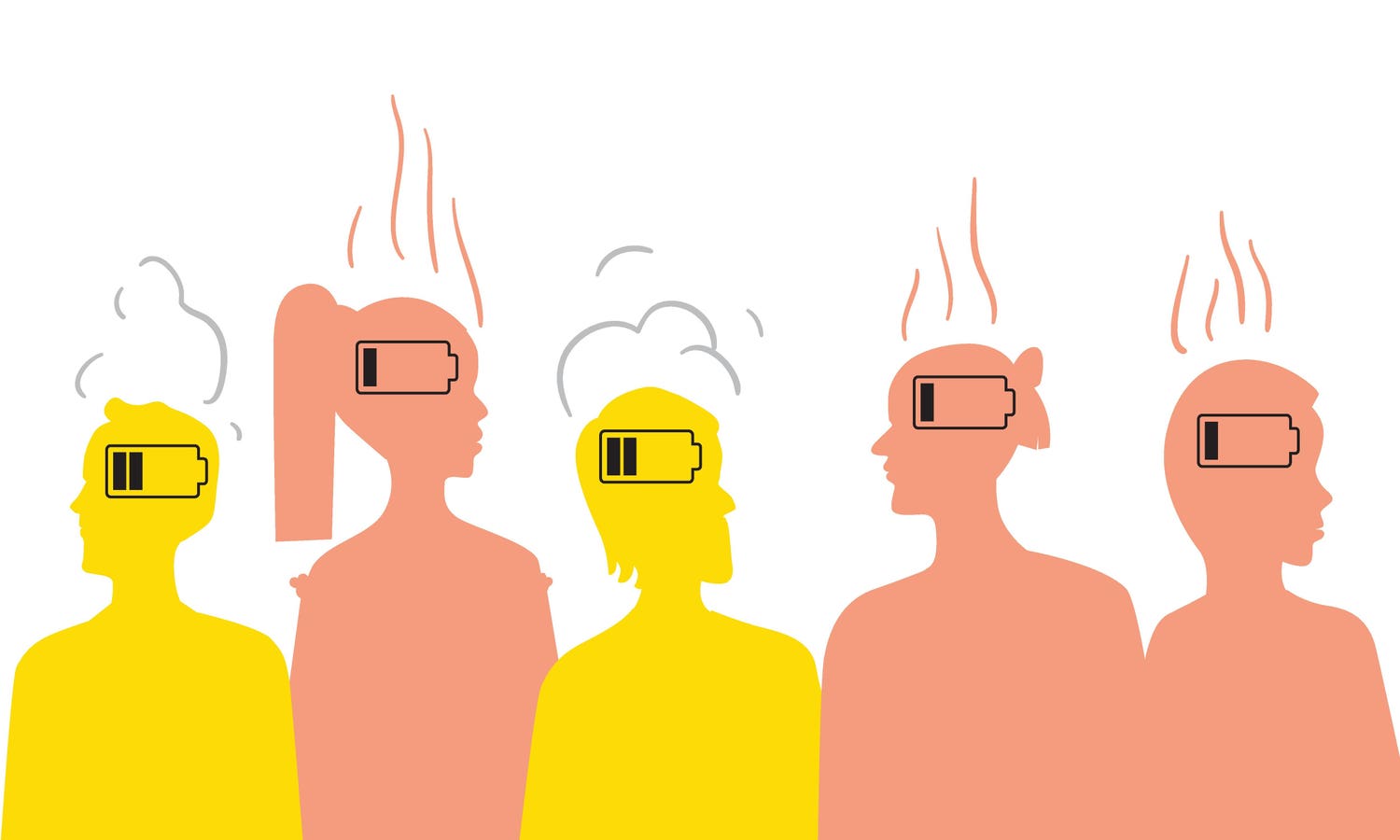
Being an extremely high-functioning and self-sufficient individual is a “strength” that can ultimately make you weak. Here are three reasons why.
getty
We often admire people who can handle everything on their own. We all know the one independent friend who seems unshakable, or we’ve come across an unnaturally self-reliant partner or shared a cubicle with the colleague who never asks for help. And each time, we may have thought to ourselves, “How do they do it?”
Self-sufficiency feels like, and is often portrayed to be, a strength, but research suggests that overusing it might lead to diminishing returns. Relying on no one but yourself under all circumstances, especially in matters relating to your emotional or social life, can quietly erode your well-being, relationships and mental health.
What might look like resilience from the outside may actually be a survival strategy with hidden costs. Additionally when we overvalue and abuse our personal resource of independence, we underuse the renewable and shared resource of connection in our lives, slowly but surely inching towards an inevitable burnout.
Here are three major ways excessive self-sufficiency can be harmful, backed by peer-reviewed research.
1. Being Too Self-Sufficient Can Lead To Isolation
Social support, be it emotional, practical or relational, is a core human need that cannot be bargained with. A large 2022 meta-analysis, combining 177 studies involving more than 113,000 people, found a strong negative relationship between perceived social support and feelings of loneliness.
What this means is that when you habitually rely only on yourself, rejecting help or support even when you need it, you drastically increase your risk of loneliness. In turn, as a 2018 systematic review notes, poor social support and loneliness predict worse outcomes for depression, anxiety and other psychiatric conditions over time.
In practice, someone who always over-functions might seem strong on the outside, but internally, this pattern sets the brain into chronic stress and deteriorating mental health. Over time, self-sufficiency can become social self-neglect, your mind pays the cost.
Your life’s problems become more stubborn when they’re being fueled by isolation. And having people around who you love and can trust can make even the heaviest burdens feel lighter to carry.
2. Being Too Self-Sufficient Can Lower Your Self-Esteem
Research shows that perceived social support is a positive predictor of self-esteem and resilience. A meta-analysis of thousands of participants, including vulnerable youth, found that higher social support correlates with higher self-esteem, greater psychological resilience and lower loneliness.
When you frequently decline help or avoid sharing burdens, you cut yourself off from the key resource that helps you regulate your emotional load. In essence, you reduce your ability to bounce back because resilience is often impossible to build alone.
Of course, “self-management” abilities such as self-efficacy, initiative and mental flexibility can protect us against the negative consequences of emotional loneliness. But a crucial part of this self-management skillset is knowing when to draw on support and maintain one’s social connections. Pure self-reliance, and refusing help altogether, erases these protective effects.
In turn, it reinforces the unhealthy belief that you have to handle everything alone, even when this belief leaves you weaker.
3. Being Too Self-Sufficient Can Isolate You In Your Darkest Moments
Avoiding reliance on others may also deprive you of emotional and practical buffers that mitigate stress. Extensive research links social isolation, loneliness and poor perceived support not only to mental-health struggles but also to physical health risks. For example, older adults with low social support have a significantly higher risk of cardiovascular disease and mortality compared to those with richer social ties.
Social isolation and loneliness, as clarified by the 2018 review, are also associated with depression, anxiety, slower recovery from mental illness and poorer overall functioning.
When self-sufficiency tips into social isolation, you are not just facing temporary stress. You are increasing your long-term risk of stress-related illness, deteriorating mental health and reduced life satisfaction. Many people don’t notice the risk because self-sufficiency often looks like stability until problems accumulate.
People push for self-reliance for many reasons, such as personality, upbringing, culture, social reward for independence or fear of being a burden. Over time, these factors create a mental framework that suppresses vulnerability as collateral, denying needs and treating connection as optional.
Self-sufficiency can feel safer than asking for help and more reliable than hoping for others to step in. But research shows connection is essential, and that self-reliance can only get you halfway. Recovery, emotional regulation and resilience require more than personal grit.
How To Stay Self-Sufficient Without Paying The Hidden Costs
If you identify as someone who relies on themselves to their own detriment, here are research-informed ways to protect your well-being while maintaining independence:
Recognize when you are over-relying on yourself. Signs include chronic fatigue, emotional numbness, withdrawal from relationships, mounting anxiety or irritability and difficulty asking for help. These are signs of depletion, and shouldn’t be misconstrued as signs of strength.Cultivate social support, not just social contact. Believing help is available protects against loneliness, depression and stress even when actual interaction is limited. Share small vulnerabilities, stay connected and show up for more than just yourself.View support as a resource, not a crutch. Seeking help is not failure. In fact, it might just be the smarter and more adaptive decision to seek it in a tough spot. Support buffers stress and builds resilience.Practice balanced self-management. Keep independence for personal goals, discipline, and boundaries, but maintain social resources. Balance autonomy with connection.Prioritize quality relationships over lone heroics. Trust, understanding and closeness matter more than a “self-made” narrative. Focus on a few deep, reliable relationships if you’re unable to keep up with a more full social circle.Reframe vulnerability as strength. Asking for help and admitting limits demonstrates emotional maturity. Real strength is flexibility and balance, not isolation.
Are you too self-sufficient for your own good? Take the science-backed Rosenberg Self-Esteem Scale to know if your sense of self-reliance is hurting your confidence.