
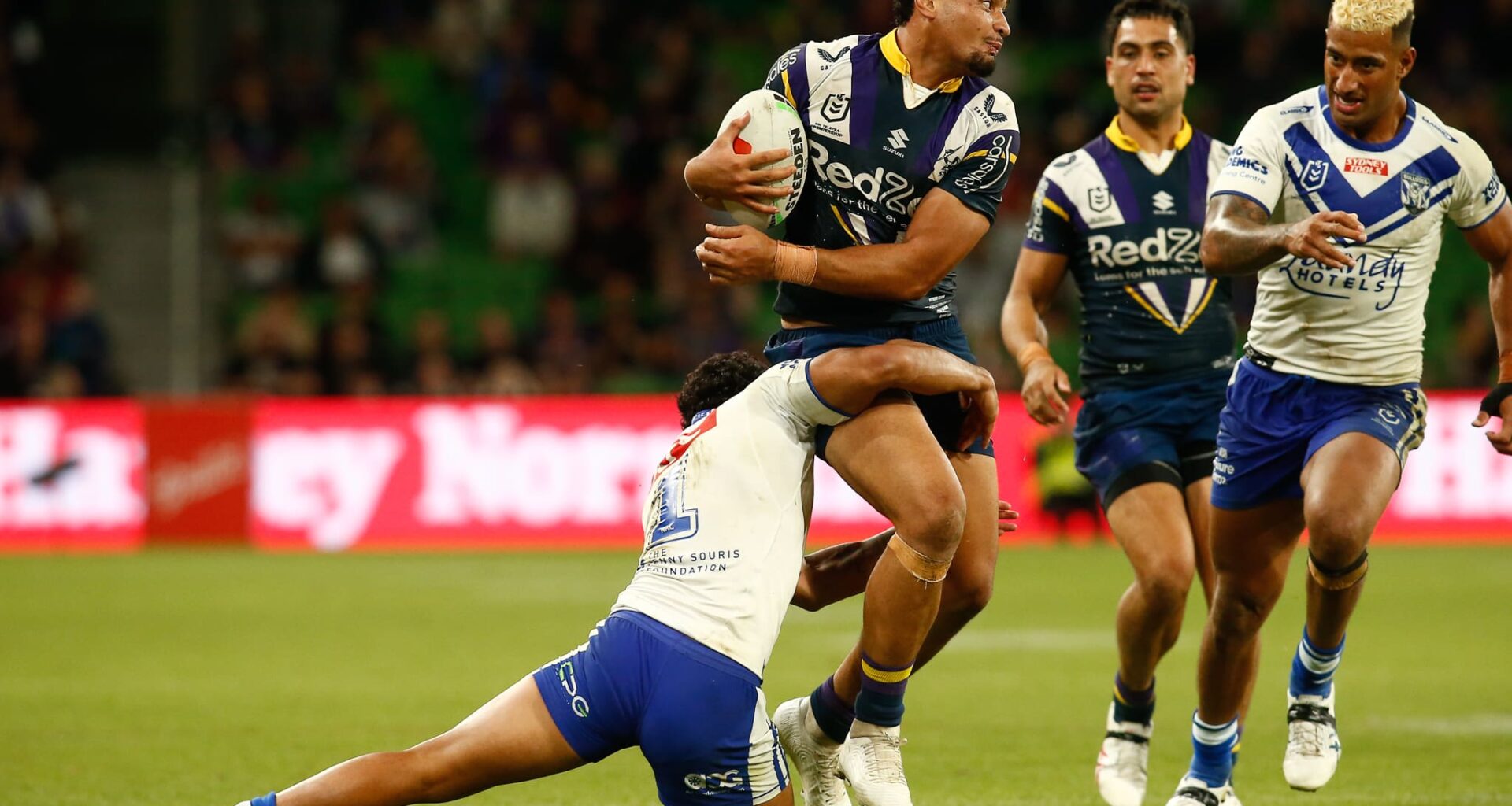
Shocking new data from the Rugby League Players’ Association has revealed a disturbing spike in unreported concussions and unsafe training practices across the NRL and NRLW, raising fresh concerns about player welfare after a string of high-profile incidents.
According to the RLPA’s 2025 Annual Player Survey, 60 per cent of NRL players admitted they continued to train after suffering a suspected concussion at training, highlighting an emerging blind spot in a system largely focused on protecting players during matches.
The survey, completed by 552 male players and 301 female players, paints the clearest picture yet of the sport’s concussion culture.
Among its most troubling findings:
• One in three NRL players did not report concussion symptoms experienced at training, which is a 24 per cent increase on last year.
• Two-thirds of male players continued training despite believing they were concussed.
• One in eight NRLW players failed to report symptoms, which is a 100 per cent rise year-on-year.
• 40 per cent of men and 37 per cent of women returned to training before receiving medical clearance.
• Some players reported suffering three to four suspected concussions at training within a 12-month period.
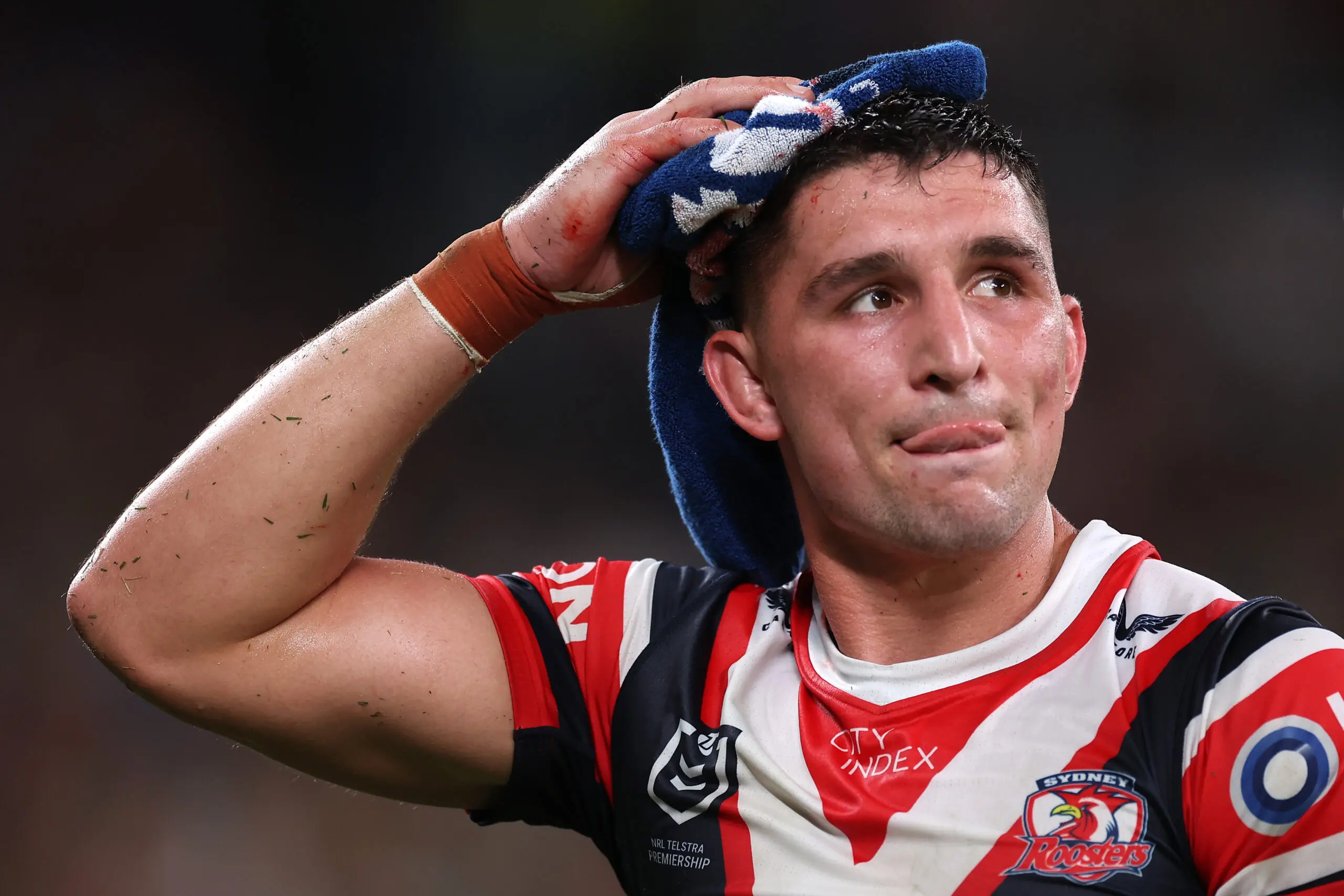 SYDNEY, AUSTRALIA – MARCH 17: Victor Radley of the Roosters is taken off the field for a HIA during the round three NRL match between Sydney Roosters and South Sydney Rabbitohs at Allianz Stadium on March 17, 2023 in Sydney, Australia. (Photo by Mark Kolbe/Getty Images)
RLPA chief executive Clint Newton labelled the results “incredibly concerning” and said the data proves the game is still not adequately empowering players to prioritise their own safety.
“We can point to various reasons for this, but based on these recent results, you can make a strong case that we are still not empowering players enough to manage their own health and safety,” Newton said.
“Rugby league is combative and requires players to push themselves to the extreme.
“But as a game, we must do more to ensure training environments genuinely support concussion detection.”
The findings arrive at a time when the sport is already under pressure to address concussion management following the frightening situation involving Melbourne Storm star Eliesa Katoa.
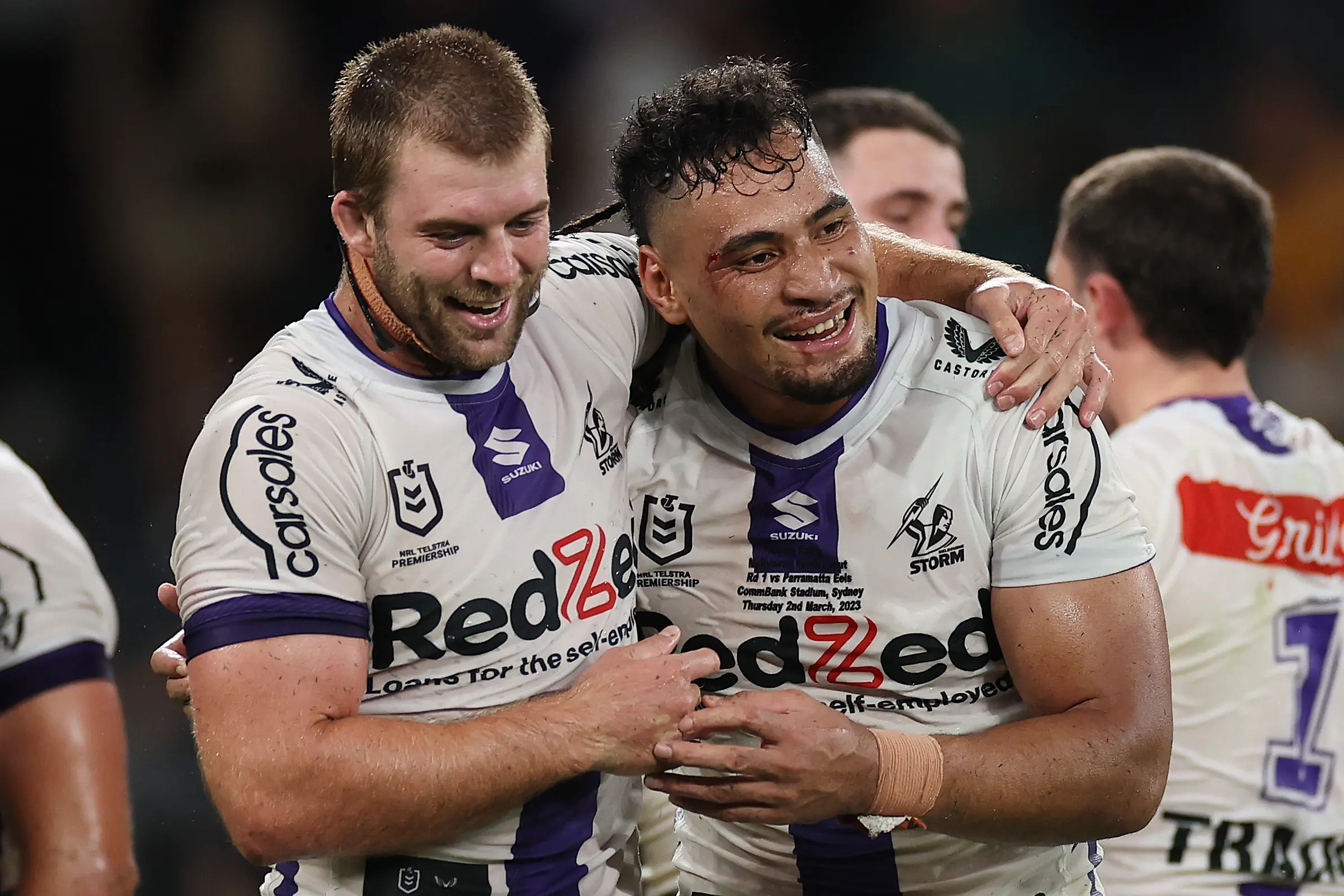 SYDNEY, AUSTRALIA – MARCH 02: Christian Welch of the Storm celebrates with Eliesa Katoa of the Storm after victory during the round one NRL match between the Parramatta Eels and the Melbourne Storm at CommBank Stadium on March 02, 2023 in Sydney, Australia. (Photo by Cameron Spencer/Getty Images)
Katoa suffered three concussions in a 90-minute period while representing Tonga at the Pacific Championships. One incident resulted in a brain bleed requiring emergency surgery.
The 25-year-old has been ruled out for the entire 2026 season, with the NRL expected to hand down its findings into the incident soon.
His case has become a flashpoint for critics who argue that training standards, especially at representative level, have not kept pace with growing concussion awareness.