
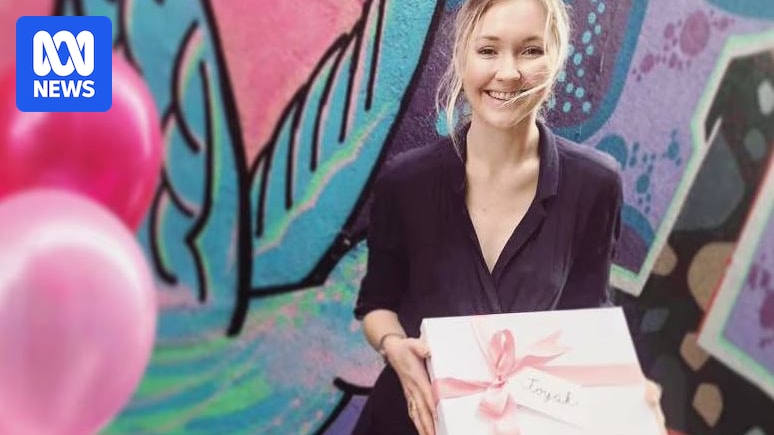
A former nurse has been found guilty of the 2018 murder of Cairns woman Toyah Cordingley, whose body was found buried on a secluded Far North Queensland beach.
A jury found Rajwinder Singh, 41, stabbed Ms Cordingley and cut her throat on Wangetti Beach, north of Cairns, before fleeing to India where he spent four years in hiding.
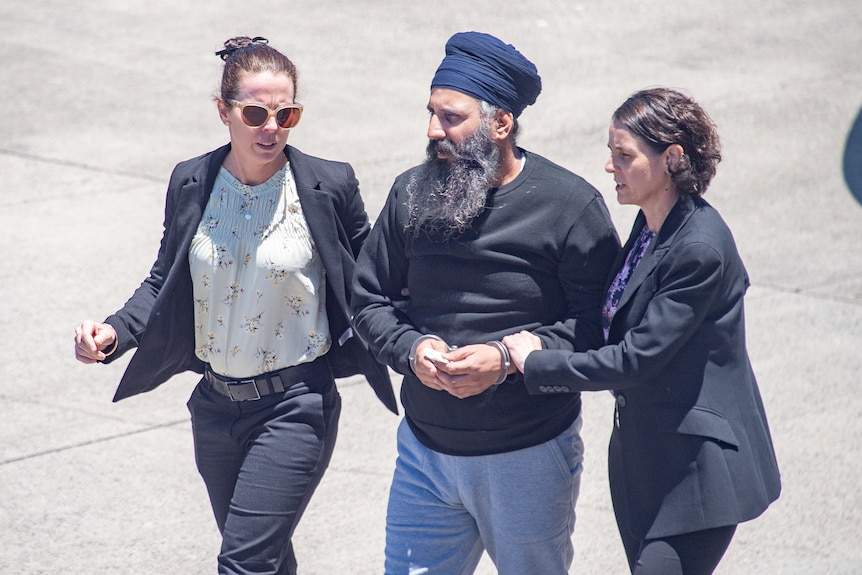
Rajwinder Singh was extradited from India over his involvement in the death of Toyah Cordingley. (AAP: Brian Casey)
Ms Cordingley, a 24-year-old animal shelter volunteer, had gone to the beach on the afternoon of October 21, 2018 to walk her dog Indie.
Her father Troy found her body the next morning after hours of searching, while Indie was found alive, tied tightly to a tree nearby.
It took a jury about seven hours to reach a unanimous verdict at the end of a four-week retrial in the Supreme Court in Cairns, eight months after Singh’s first trial ended in a hung jury.
There was an outpouring of emotion from the public gallery as the jury speaker read out the verdict.
Ms Cordingley’s father could be heard saying “rot in hell, you bastard”. Singh sat motionless in the dock.
Ms Cordingley’s death seven years ago led to an outpouring of grief in Far North Queensland, where hundreds marched against violence towards women.
Many cars also displayed bumper stickers emblazoned with Toyah’s name, calling for justice.
A retrial began on November 10, with more than 80 witnesses called to give evidence over three weeks.
The court was adjourned to Tuesday morning for sentencing submissions.
Singh’s car matched Ms Cordingley’s phone
Police identified Singh as a person of interest about three weeks into the murder investigation, after realising the movements of his blue Alfa Romeo matched those of Ms Cordingley’s phone away from the beach.
The morning after her death, Singh booked a one-way flight to New Delhi, telling a travel agent his grandfather was very sick.
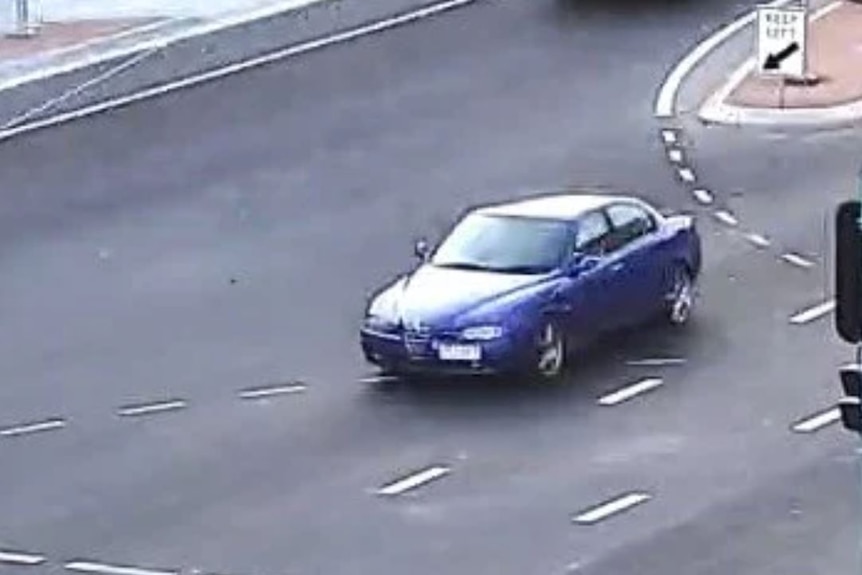
Police investigating the murder of Toyah Cordingley identified Rajwinder Singh through the movements of his blue Alfa Romeo. (Supplied: Queensland Police Service)
Singh told his wife Sukhdeep Kaur he was going out for a couple of days, but it would be more than four years until any of his family heard from him again.
His family, including his parents and three young children, were financially dependent on him.
They lost their home.
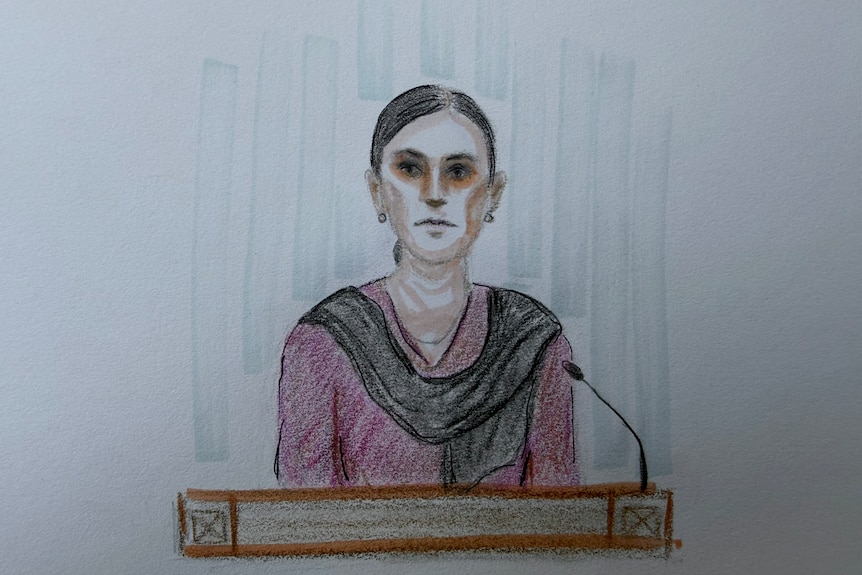
Rajwinder Singh’s wife Sukhdeep Kaur gave evidence during the trial. (ABC News: Paula Broughton)
Long wait for outcome
Singh was arrested at a Sikh gurdwara in New Delhi in November 2022, about three weeks after Queensland police posted a $1 million reward for information on his whereabouts.
He did not contest extradition and returned to Australia in early 2023.
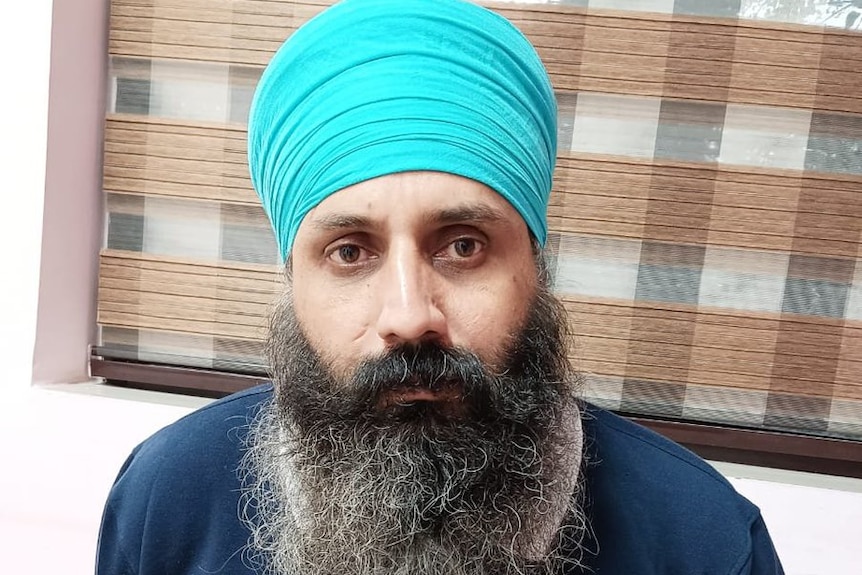
Rajwinder Singh was arrested in 2022. (Supplied: Delhi Police)
Jury in trial of man accused of murdering Toyah Cordingley discharged
Singh was initially due to stand trial in 2024 but that was adjourned at the eleventh hour, after his defence team raised concerns about a large volume of material they had received at short notice.
A three-week trial took place over February and March earlier this year, but a jury was discharged after it was unable to reach a unanimous verdict following more than three days of deliberations.
The Crown argued only the killer could have had Ms Cordingley’s phone and that Singh decided to flee that night, abandoning his family, because he was guilty of the murder.
The defence argued Singh, as a lone assailant, could not have overpowered Ms Cordingley and Indie and pointed to numerous other men in the area with histories of violence, drug abuse, mental illness and access to pig hunting knives.
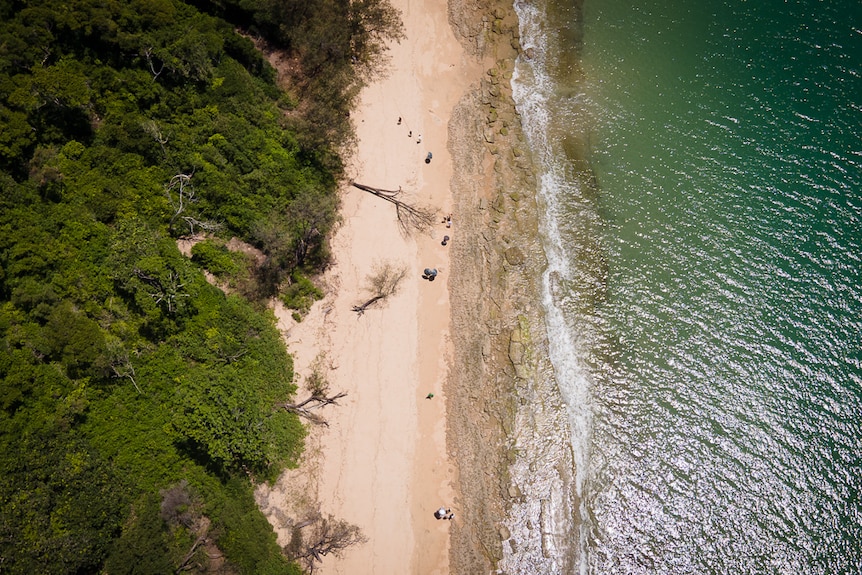
Toyah Cordingley’s body was found on Wangetti Beach, where the jury was taken during the trial. (ABC Far North: Brendan Mounter)
Complaint led to juror expulsion
More than two weeks into the trial, a juror was discharged over “concerns about impartiality” and Singh’s counsel applied for the entire trial to be aborted.
Justice Crowley had received a note from a fellow juror, raising concerns about things the then-speaker of the jury had said.
After sending the speaker home, Justice Crowley brought the remaining members of the jury into the courtroom and read aloud the note which led to the dismissal.
The court heard it said the male juror had shown “a clear bias and clear disregard for evidence from members of the police force”.
The note also said the juror had indicated he had “heard all he needs to even though the trial is still going”, “expressed that he has a history of violence, both personally and in his family”, and had shown “disrespectful” behaviour toward another juror.
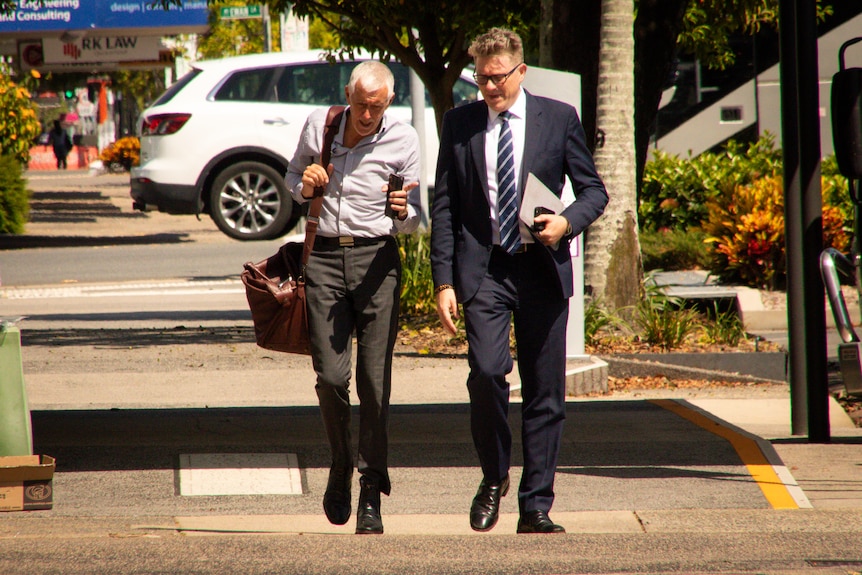
Defence team of Greg McGuire KC applied for the entire jury to be discharged. (ABC News: Conor Byrne)
Defence barrister Greg McGuire KC applied for the entire jury to be discharged, arguing there could be a “reaction” against his client.
Justice Crowley asked the remaining jurors to consider whether they could continue to decide the case free from prejudice, emotion or bias.
They said they could, and Justice Crowley ruled the trial should continue.
By that point, 62 witnesses had given evidence.
The juror’s dismissal can only now be revealed as a non-publication order prevented any information about it, or the jury note that led to it, from being reported during the trial.