
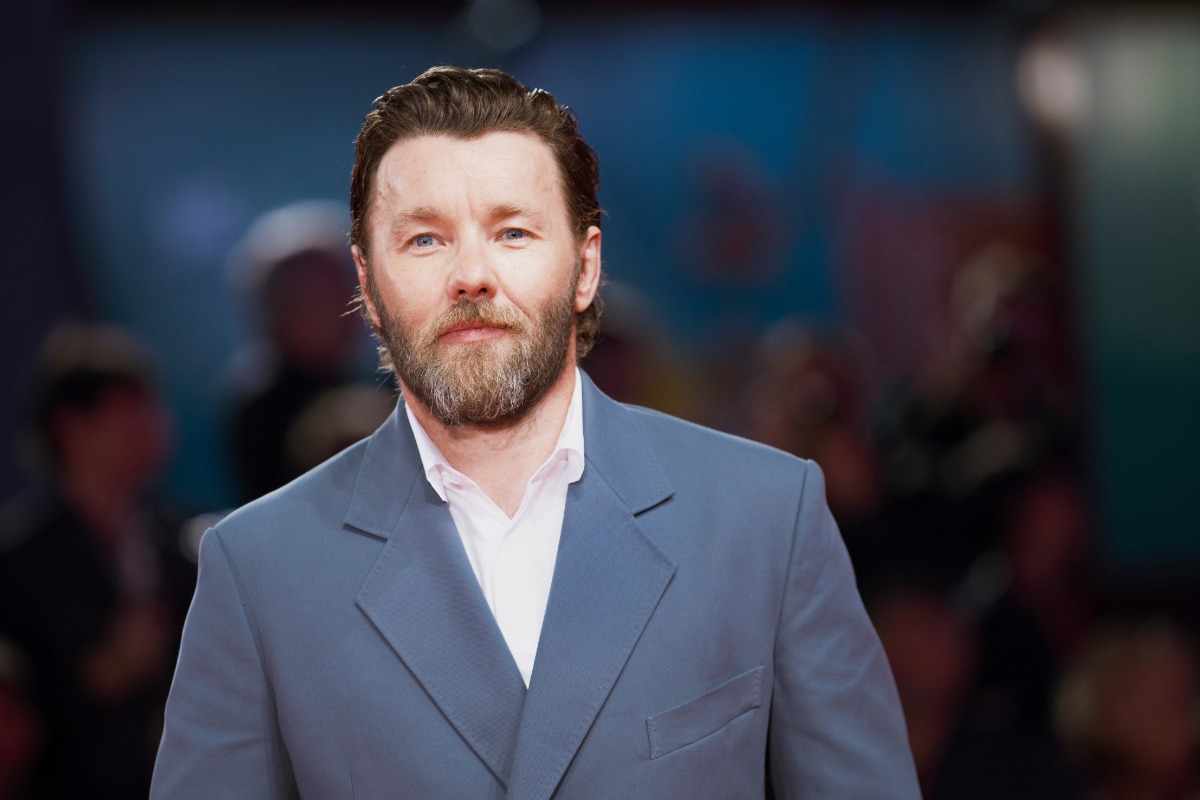
Should an Oscar hinge on where you watch the film or what’s on the screen? Joel Edgerton has a pointed answer for James Cameron that cuts to Hollywood’s most fragile fault line.
James Cameron is challenging Oscar eligibility for streaming-first films, arguing that Netflix-style rollouts fall short without substantial theatrical runs. Joel Edgerton pushes back, saying platforms like Netflix are lifelines for smaller movies that deserve recognition no matter how they reach audiences. The clash intensifies as Train Dreams, Edgerton’s Netflix project directed by Clint Bentley, edges into awards chatter. With Cameron promoting Avatar: de Feu et de Cendres, the debate doubles as a reality check on how distribution now shapes prestige.
An ongoing debate: streaming vs. the big screen
How should we define Oscar-worthy films? This question continues to spark lively debate, the latest chapter involving filmmaker James Cameron and actor Joel Edgerton. At the heart of their discussion is Netflix, with Cameron questioning its eligibility for the prestigious awards and Edgerton passionately defending it. Their opposing views highlight a deeper conversation about the evolving ways we consume cinema.
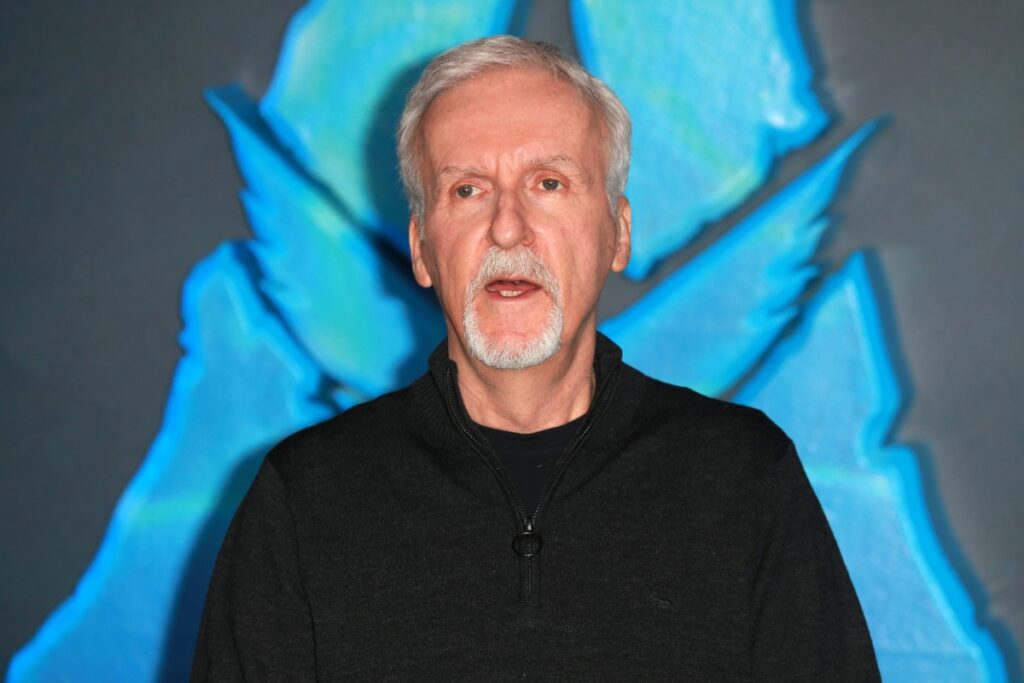
James Cameron: championing theatrical runs
James Cameron, a long-time advocate for ambitious blockbusters and cinematic experiences, hasn’t hesitated to share his disapproval of Netflix’s approach. According to him, Oscar recognition should be reserved for films that honor the traditional model of theatrical runs, complete with extended engagements and an immersive big-screen impact. For Cameron, a fleeting theater release or skipping it entirely undermines the essence of cinematic storytelling. Is he holding on to a bygone era, or does his perspective offer vital insights?
Joel Edgerton: defending access and recognition
Joel Edgerton sees it differently. In an impassioned argument, he highlighted the crucial role streaming platforms like Netflix play in giving smaller films a fighting chance. He pointed to his own film, Train Dreams, which is produced by Clint Bentley and distributed by Netflix, as an example. Should its worth be judged by its platform or by its artistic strength? In Edgerton’s view, cinema has evolved, and awards should reflect this progress. For him, exclusivity in distribution shouldn’t limit a film’s recognition at the Oscars.
A changing cinematic landscape
This is not the first time Netflix has faced criticism over Oscars eligibility. Yet, past nominations and wins for films like Roma and The Power of the Dog have proven that streaming content is now a force to be reckoned with. The rise of streaming has challenged traditional distribution, opening the door for a broader array of filmmakers to showcase their work. How does this shape the future of the industry? It’s a question with no easy answer, but one worth considering as new technologies shape storytelling.
Finding a balance between tradition and innovation
There’s no denying the theatrical experience offers something unique. But streaming platforms have provided fresh opportunities for marginalized voices and niche projects to shine. Perhaps we don’t have to choose one over the other; instead, the focus could shift to celebrating the art form, regardless of where audiences find it. That’s the true heart of cinema, isn’t it?