
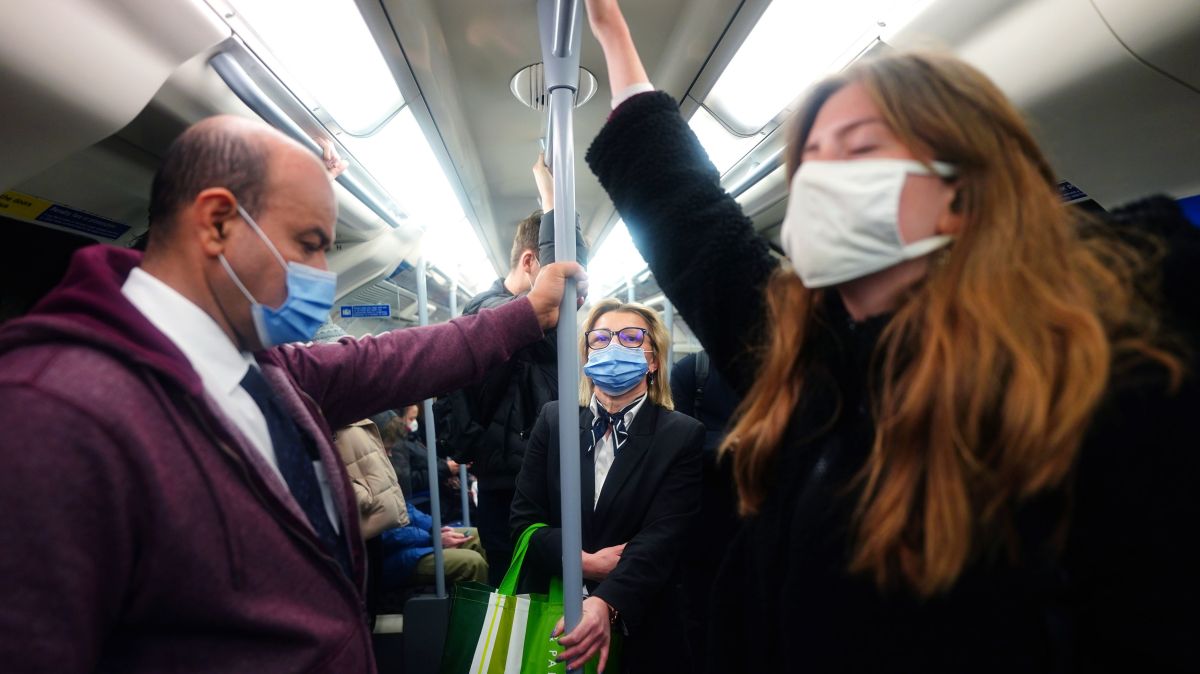
People with flu or cold symptoms should get back into the habit of wearing a mask in public places amid a “tidal wave” of illness, an NHS leader has said.
Daniel Elkeles, the chief executive of NHS Providers, which represents NHS trusts, said the country was beset by a “very nasty strain of flu” that had occurred earlier in the season than normal.
He told Times Radio: “Children are still at school, it’s warm and wet, so it’s perfect flu-spreading conditions.
“When you were talking about anything like Covid, I think we need to get back into the habit that if you are coughing and sneezing, but you’re not unwell enough to not go to work, then you must wear a mask when you’re in public spaces — including on public transport — to stop the chances of you giving your virus to somebody else.”
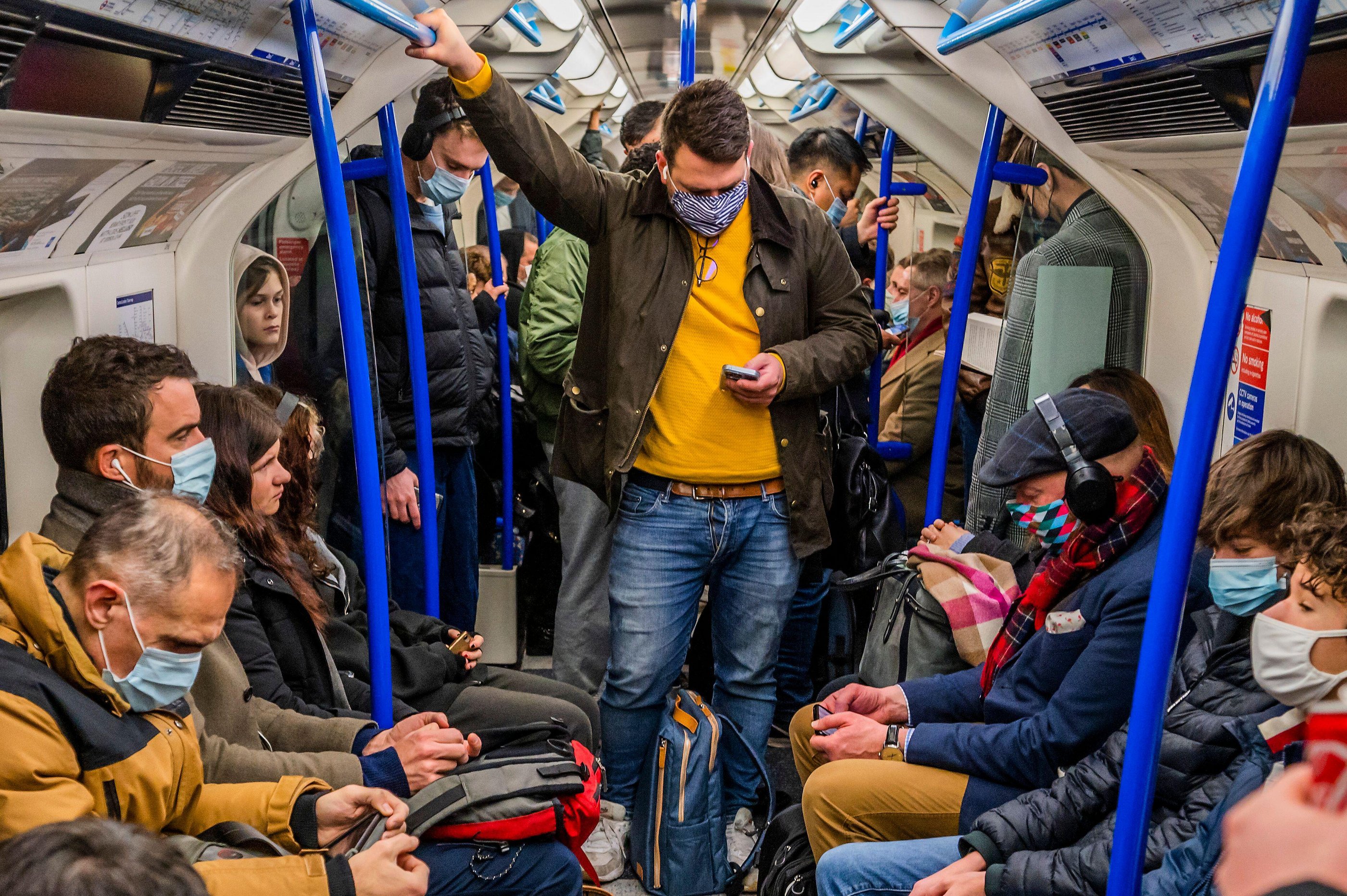
Wearing masks could help limit the spread of winter bugs
GUY BELL/ALAMY
Elkeles added: “We were all very good about infection control during Covid. And we really, really need to get back to that now.” When asked if people who have a cold and are coughing should wear a mask in the office, he said: “I think that would be very sensible to all their colleagues, or probably their colleagues would say, ‘Please go home.’
“We have really got to worry about the fact that this is a very nasty strain of flu. It spreads very easily. It’s warm and wet out there and people need to be sensible.”
Downing Street said wearing a mask to prevent the spread of respiratory illness was “something people can consider” after Elkeles recommended the wider use of face coverings.
A No 10 spokesman said: “There is long-standing guidance in place for people on a range of measures they can consider taking to help limit the spread of winter bugs if they have flu-like symptoms.
“This is neither new nor an instruction, but simply something people can consider when trying to limit the spread of winter respiratory illnesses.
“The best defence against flu is the vaccine, which is why we’re ramping up our vaccination efforts this winter, with almost 17 million flu jabs already delivered, which is 350,000 more than this time last year.”
Elkeles said the peak of this flu season could be worse than previous winters, adding: “We really do need people to sit up and listen.
“And actually, we need to have a big debate probably after this flu season about how we prepare the public better for what happens every year. So if you haven’t already had your flu vaccine and you’re eligible, please go and take it.”
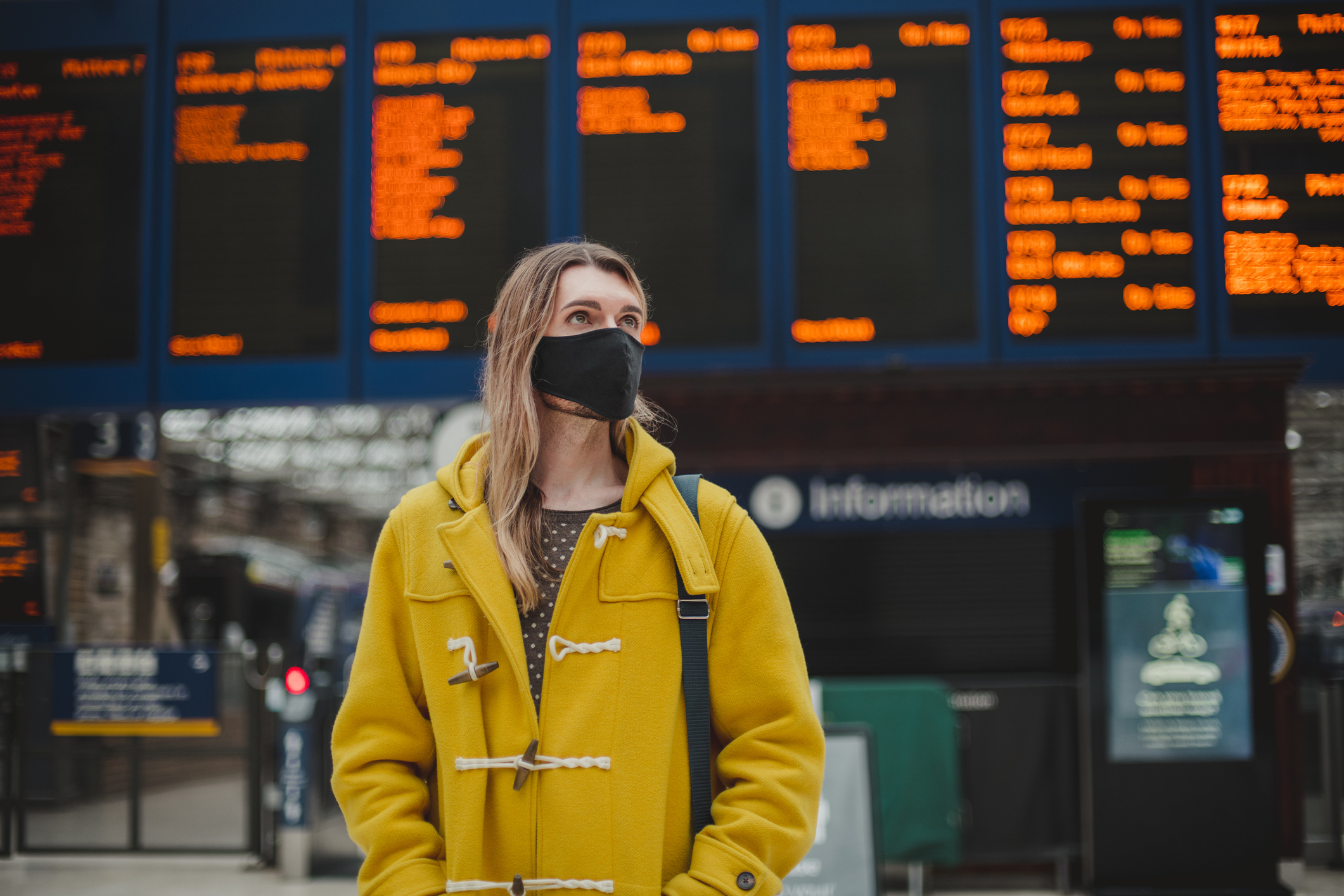
A “particularly virulent” strain of flu is taking hold, and masks could help stop it from spreading
MARK LIDDELL/GETTY IMAGES
Elkeles added that there was the “really big challenge” of resident doctors — formerly known as junior doctors — going on strike next week when the NHS is grappling with flu and other illnesses.
He said he agreed with concerns from “really, really senior doctors” at the Academy of Medical Royal Colleges that the five-day walkout could harm patients.
The academy has made a rare intervention to de-escalate the row between the British Medical Association (BMA) and the government, warning of a “particularly virulent flu taking hold”. It issued a statement urging the two sides to “end the painful dispute”, and asking doctors to tell their employers if they plan to strike.
Officials from the BMA and the government are holding talks, aiming to reach a deal that would avert the strikes, but ministers are adamant they will not increase pay.
“It’s not too late for resident doctors and the government to find enough common ground in their conversations to say, ‘We are determined to resolve this dispute but the thing that is really, really going to damage the NHS and harm patients is having the strike next week,” Elkeles said.
“So let’s not have the strike next week and let’s carry on talking and get to a good place where resident doctors and the government feel like there’s a good solution.”
• Junior doctors’ strike ‘would cause mayhem’ as superflu cases surge
The UK Health Security Agency has also called on people to get a flu jab. Its data suggests this year’s vaccine is providing good protection, even though a mutated influenza A(H3N2) strain — dubbed super-flu — is currently dominating cases in England.
The agency said data suggested that the 2025-26 vaccine is currently 70-75 per cent effective at preventing hospital attendance in children aged two to 17 and 30-40 per cent effective in adults.
The number of people in hospital with flu in England is at a record level for this time of year. An average of 1,717 flu patients were in beds in England each day, including 69 in critical care, the most recent data showed.
That is twice as high as than the equivalent numbers for the same week in 2024, and ten times higher than this time two years ago. No figures have been published on deaths from flu this year, but last year 7,757 people died from flu in England.
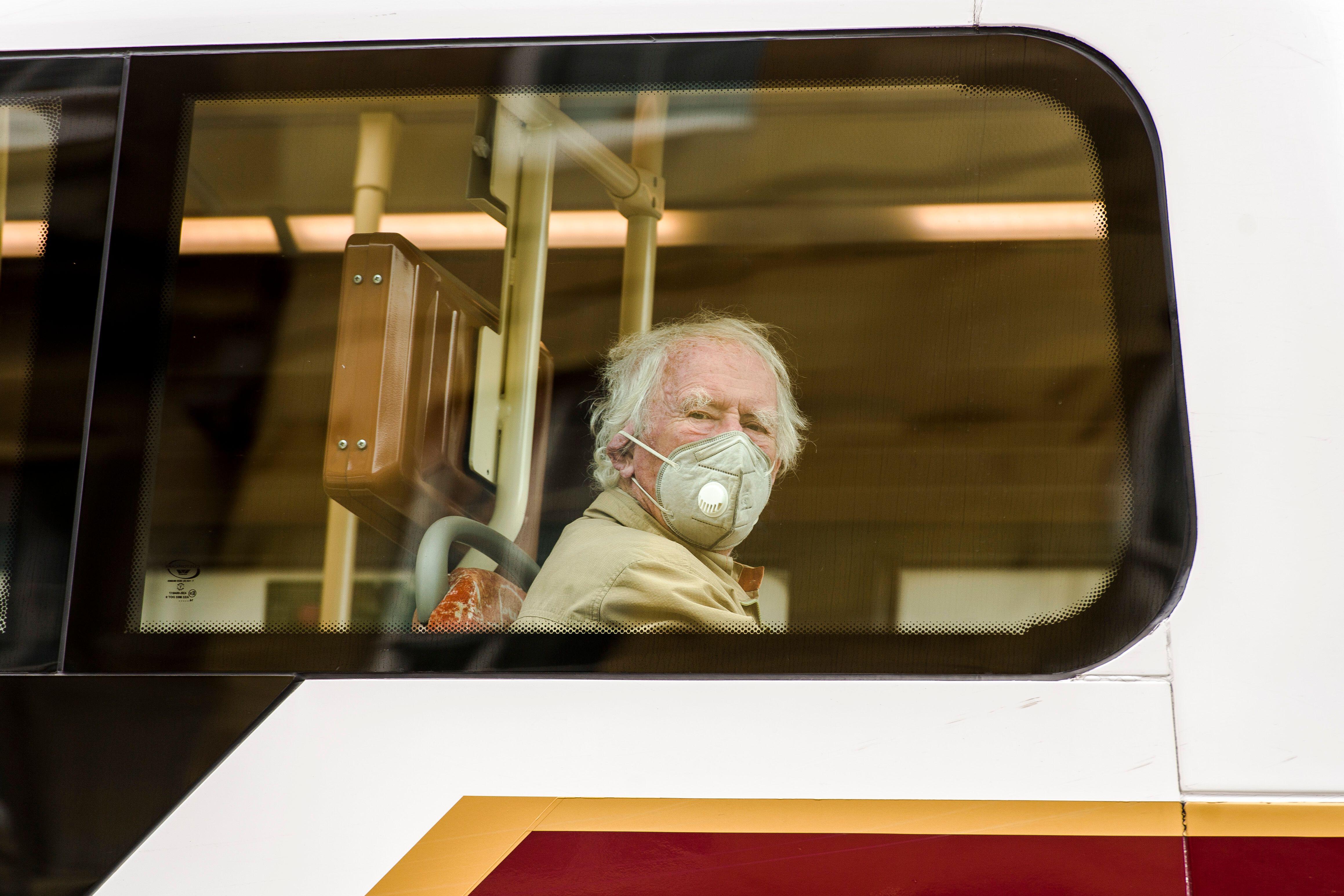
Flu cases are at very high levels this year
EUAN CHERRY/ALAMY
Sir Jim Mackey, the NHS chief executive, said he thought there would be between 5,000 and 8,000 people in hospital with flu at the end of this week, surpassing the peak of recent years.
Some schools have been forced to close temporarily owing to high levels of illness. Lee Jarvis, the head teacher of St Martin’s School in Caerphilly, South Wales, shut the school on Friday in a “firebreak” closure because of a “significant outbreak of flu-like illness” affecting 250 pupils and staff. Congleton High School in Cheshire also shut for three days to carry out a deep clean after a flu outbreak.
A government spokesman said: “This will be a tough winter for our NHS and the latest figures confirm flu cases are at very high levels this year. School attendance is critical for children’s life chances, and while it’s clear cases of flu are going to have an impact on attendance levels, we are clear school closures should only happen in extreme circumstances.
“We provide clear guidance to help parents know exactly when to keep children home, and to help schools both manage children’s wellbeing and keep disruption to a minimum.”